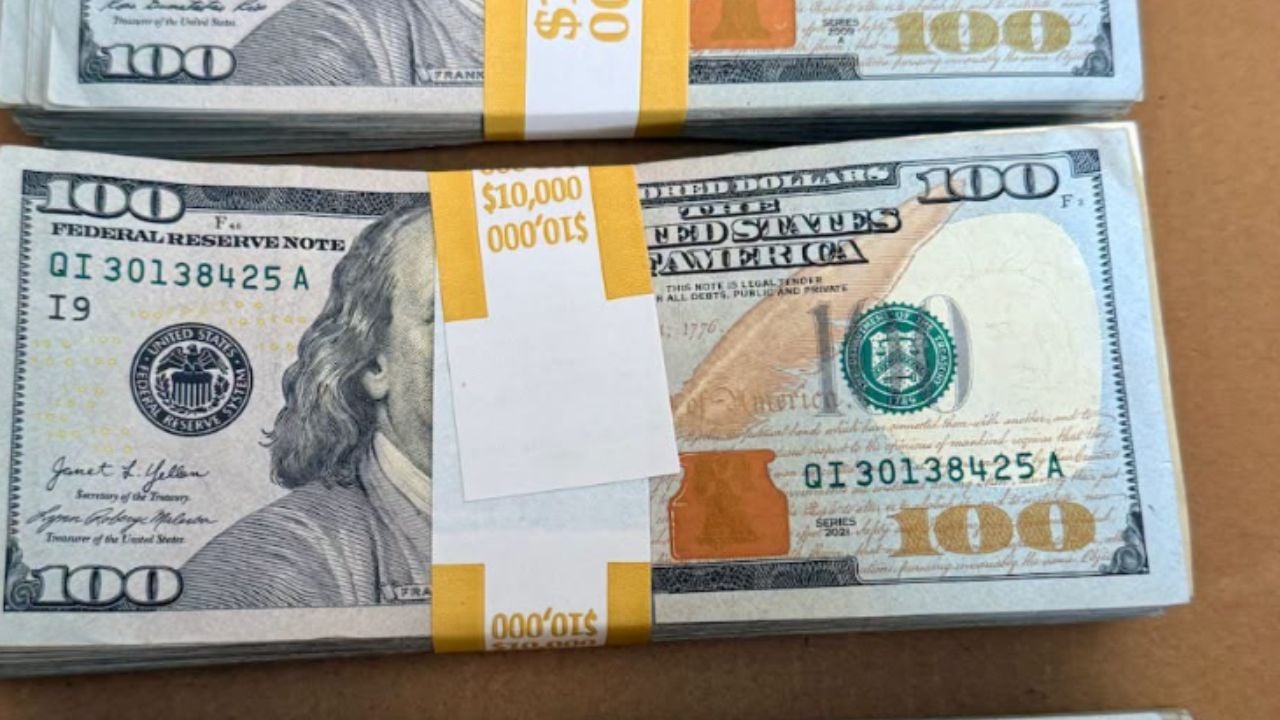
A 71-year-old Ohio woman says a fake Microsoft warning on her computer ultimately led her to withdraw $30,000 in cash, put it inside a shoebox and hand it to a stranger in a parking lot.
The Lorain woman, who asked not to be identified because she feared retaliation from the criminals, said the scheme began July 17 when her computer screen went black and a pop-up instructed her to call Microsoft.
The person who answered claimed there were child-pornography and gambling problems connected with her computer and that someone was also trying to access her bank account. He stayed on the phone while directing her through the next steps, eventually convincing her that moving her money would protect it.
According to News 5 Cleveland, the instructions led her to withdraw $30,000, hide the real reason from her bank and deliver the cash to a stranger who supposedly would place it in a secure account.
The Caller Told Her What to Say at the Bank
The woman said the scammer stayed on the phone while directing her to withdraw $30,000 in cash from her bank. He allegedly coached her on what to say if a bank employee questioned such a large withdrawal. When a bank manager asked what she needed the money for, she gave the explanation the caller had prepared for her. She was remodeling her home.
Chase told News 5 that branch employees did question the customer about the transaction, including asking what the cash would be used for. The bank said its employees are trained to identify possible scams, but those protections become much harder to use when a customer has been instructed to conceal the real reason for the withdrawal.
The bank also emphasized that a legitimate financial institution or law-enforcement officer will not coach a customer to lie about a transaction. A caller who tells someone to keep a payment secret or provide a false explanation to bank employees is therefore creating one of the clearest warning signs of an impersonation scam.
The Fake Microsoft Warning Escalated Into a Financial Emergency
The scam did not begin with an obvious request for $30,000. It began with the woman’s computer screen going black and an alarming pop-up telling her to contact Microsoft. When she called the number, the person who answered claimed her computer was associated with child pornography and gambling activity.
The caller also told her someone was attempting to get into her bank account, expanding what appeared to be a computer problem into a supposed financial and legal emergency. That combination gave the scammers several sources of pressure at once.
The caller remained with her as the story developed. The woman told News 5 that she did not believe she was being scammed while following the instructions because the people on the phone seemed to be helping her solve the crisis they had described.
The Scammers Claimed the Money Would Go Into a Secure Account
The supposed solution was to remove the money from the very bank account the scammers claimed was at risk. The woman said she was told the cash would ultimately be placed somewhere secure where whoever was supposedly trying to steal it would no longer be able to reach it.
At one point, she said the caller told her they would speak with the Federal Trade Commission and move the money into an account where it would be protected. The FTC was not actually safeguarding the money, and the agency warns that scammers regularly invoke its name or pretend to involve another government agency to make these schemes sound legitimate.
The caller’s willingness to remain on the phone also reinforced the impression that someone was guiding her through a legitimate security process. The woman recalled being nervous about carrying that much cash, but the caller reassured her that he would remain with her through the process.
She Put the $30,000 Inside a Shoebox
After leaving the bank, the woman said the scammers told her to place all $30,000 inside a shoebox. She was then directed to take the box to the parking lot of a nearby Kohl’s store.
The scammers gave her details designed to make the handoff appear organized and legitimate. News 5 reported that she was told to look for an older, light-green SUV with boxy windows. The person collecting the money would also provide a code number so she could supposedly verify that she had found the correct person.
A man arrived with the expected code. The woman described him to News 5 as an Asian man in his early 20s, about 5 feet, 5 inches tall and of medium build. He took the shoebox containing the cash and left. That was the last time she saw the $30,000.
She Filed a Police Report After Realizing the Money Was Gone
The woman eventually realized she had been deceived and filed a police report. An officer checked the Kohl’s parking lot where she said the cash had been handed over.
She told News 5 that the officer found no surveillance cameras covering the particular area where the exchange occurred. That raised another concern for the victim. Whether the scammers or the person collecting the money had deliberately selected an area where the handoff was less likely to be recorded.
The woman decided to speak publicly about what happened despite requesting anonymity, saying she wanted other people to understand how convincing the scammers had seemed while they were taking her money.
Microsoft Says Its Real Error Messages Do Not Give You a Phone Number
Microsoft says genuine Microsoft error and warning messages do not include telephone numbers telling users to call technical support. The company also says it does not proactively contact consumers through unsolicited calls to provide PC or technical support.
Unless a customer initiated the interaction, someone unexpectedly claiming to be from Microsoft and offering help with a computer problem should not be trusted simply because the caller knows the company’s name. A pop-up that locks or darkens a screen can feel like evidence that something serious has happened to the computer, but the message displayed inside the browser is not proof that Microsoft detected a problem.
Microsoft advises people not to call telephone numbers displayed in unexpected error messages and not to provide personal or financial information to the people behind them. Someone who sees such a warning should instead close the browser or restart the device if necessary and independently access Microsoft support through the company’s official website.
Never Hand Cash to Someone Who Says They Are Protecting Your Savings
Never withdraw cash, purchase gold, send cryptocurrency or hand valuables to a courier because someone says doing so will protect your money. The FTC specifically warns that requests to withdraw cash and give it to another person for safekeeping are scams.
If someone tells you to lie to a bank employee, keep the transaction secret from relatives or stay on the phone while withdrawing money, stop the transaction and explain exactly what is happening to the bank employee. Those instructions are designed to prevent people who recognize scams from intervening.
Anyone who has already handed over money should contact local law enforcement and the financial institution immediately and preserve every available detail about the pickup, including the location, vehicle description, telephone numbers, messages, code words and physical description of the person who collected the money.
Tech-support impersonation scams can also be reported to ReportFraud.ftc.gov. Microsoft provides its own reporting process for fraudulent technical-support contacts, while internet-enabled scams can also be reported to the FBI through IC3.gov.