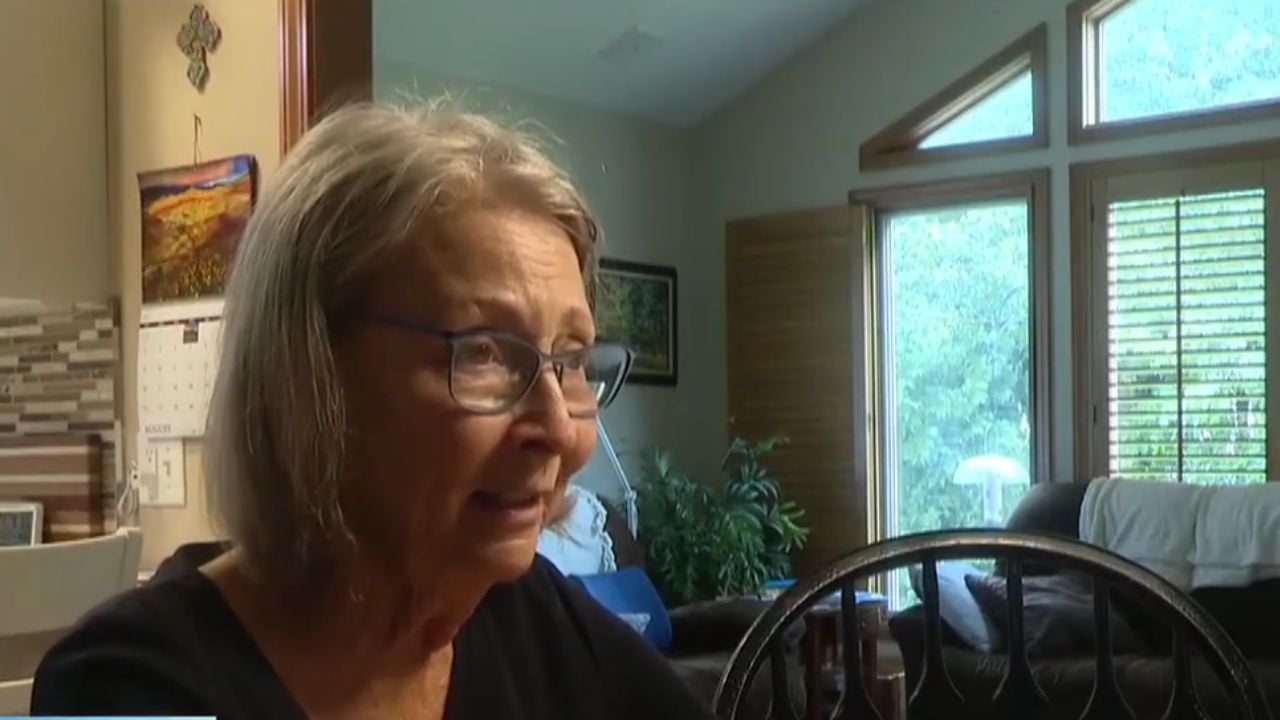
A Toledo woman says she paid $167 while trying to renew her passport online, only to discover later that the website she had used was a private company rather than the U.S. government.
The woman, identified only as Lynn, said she completed an application through GovAssist and submitted her payment online. A packet later arrived in the mail telling her there was an error with the application, leaving her still without a completed passport renewal.
Her understanding of what had happened changed when she visited the Sylvania Library to have a passport photo taken. A staff member looked at her paperwork and asked whether she had paid the company, prompting Lynn to realize she had not been dealing directly with the federal government.
According to 13abc, Lynn says her passport application was never processed and she has been unable to recover the $167 she paid. She now believes she was misled, although the available reporting does not show that law enforcement has determined GovAssist committed fraud.
She Tried to Get the $167 Back
Lynn said she attempted to contact GovAssist after learning that it was not the government passport service she thought she had been using. She told 13abc that the telephone number she had on file no longer worked and that she had been unsuccessful in obtaining a refund.
She planned to make a police report and report what happened as a possible scam. GovAssist’s current website does not claim to be the U.S. government. The passport service now redirects users to IVS.us, where the company describes itself as a private business that works with licensed passport couriers and explicitly states that it is not a government agency.
The Library Employee Recognized Something Was Wrong
Lynn said the turning point came when she went to the Sylvania Library for a passport photograph and showed a staff member the paperwork she had received. The employee looked at the documents and asked whether Lynn had already paid the company. Lynn told 13abc that this was when she learned she had not been dealing with the government itself.
The library encounter also gave her another route for dealing with her passport. 13abc reported that passport services are available by appointment at the Toledo Main Library and Sylvania Branch, where staff can assist with photographs and paperwork.
For someone who is uncomfortable distinguishing government websites from private passport-assistance businesses online, an authorized in-person passport acceptance location can provide another option. The State Department lists more than 7,500 acceptance facilities nationwide, including post offices, clerks of court, public libraries and other local government offices.
The State Department Says There Is Only One Official Online Renewal Site
The U.S. Department of State gives an unusually direct warning about private passport-renewal websites. Its official guidance says the only authorized place to renew a U.S. passport online is the State Department’s own system at opr.travel.state.gov. Eligible applicants complete and submit the renewal themselves through that government website.
The agency warns that no third-party company can sign and submit an online passport renewal application on a customer’s behalf. Outside websites may charge additional service fees, and the State Department warns that providing those companies with passport information can also expose sensitive personal data.
The government’s warning goes even further when it comes to company names. The State Department specifically tells consumers that having the word “Gov” in a business name does not make the company authorized to process online passport renewals.
The Official Passport Renewal Fees Are Separate From Private Service Fees
For an eligible adult renewing through the government’s online system, the current State Department application fee is $130 for a passport book. A passport card renewal costs $30, while renewing both the book and card costs $160.
Those are government fees. Private passport-assistance and courier businesses can charge their own service fees on top of whatever money must eventually be paid to the State Department.
The State Department also says it does not refund money paid to private courier companies and generally cannot intervene in disputes between consumers and those businesses.
GovAssist Now Redirects Passport Customers to IVS.us
The company advertises new-passport and passport-renewal assistance starting at $119, with additional government fees potentially applying. Its services include guided application forms, photo assistance, support and expedited-processing options through passport couriers.
The site says customers first complete information through its system, then receive an application package that must be signed and returned. That is different from the State Department’s direct online-renewal program, where eligible applicants personally submit the application electronically through the federal government’s own website.
IVS.us also states in its disclaimer that it is a private service working with licensed passport couriers and is not a government agency. Its current site lists a telephone number, email support and a Washington, D.C., mailing address.
A Cybersecurity Expert Pointed to Search Engine Poisoning
13abc also spoke with cybersecurity expert Dave Hatter of Intrust IT, who said incidents like Lynn’s can begin with what is known as search engine poisoning.
The tactic involves manipulating search results or paying for advertising around commonly searched terms so that a third-party or malicious site appears prominently when someone searches for a government service. A user may click the first convincing-looking result without noticing that the address does not belong to the government agency they intended to reach.
Hatter said consumers should verify what they find rather than automatically trusting search results. He also pointed to details such as unusual formatting, spelling problems or questionable-looking documents as possible warning signs, although increasingly polished websites can make visual clues alone less dependable.
Start at Travel.State.Gov Instead of a Search Advertisement
The easiest way to avoid confusing a private passport company with the federal government is to begin at Travel.State.Gov rather than searching broadly for terms such as “renew passport online” and clicking the first result.
For online renewals, the State Department says the only official system is opr.travel.state.gov. An applicant should check the address bar before entering a Social Security number, passport details or payment-card information and confirm that the website ends in “.gov.”
People should also read the payment page carefully. If a site describes a “service fee,” “processing assistance,” “application preparation” or separate government charges, that can indicate the consumer is dealing with a private intermediary. Anyone who prefers in-person assistance can use the State Department’s official locator to find an authorized passport acceptance facility, including participating libraries and post offices.
If someone already paid a private company after believing it was a government site, the State Department recommends reporting the incident to the Federal Trade Commission or the appropriate state consumer-protection office. Anyone concerned that passport, Social Security or other identifying information may have been compromised can also use IdentityTheft.gov to determine what additional steps are appropriate.