
A Georgia woman has been jailed in Tennessee after investigators linked her to a Sumner County warrant scam.
Bianca Laparis Grady, 32, of Warner Robins, Georgia, was arrested July 6, 2026. The case involves a scam in which people allegedly impersonated law enforcement officers.
Booking records list Grady as facing charges of criminal impersonation, money laundering, and theft of property between $10,000 and $60,000.
The charges are allegations. Grady has not been convicted in the case.
The Law Enforcement Impersonation Is the Pressure Point
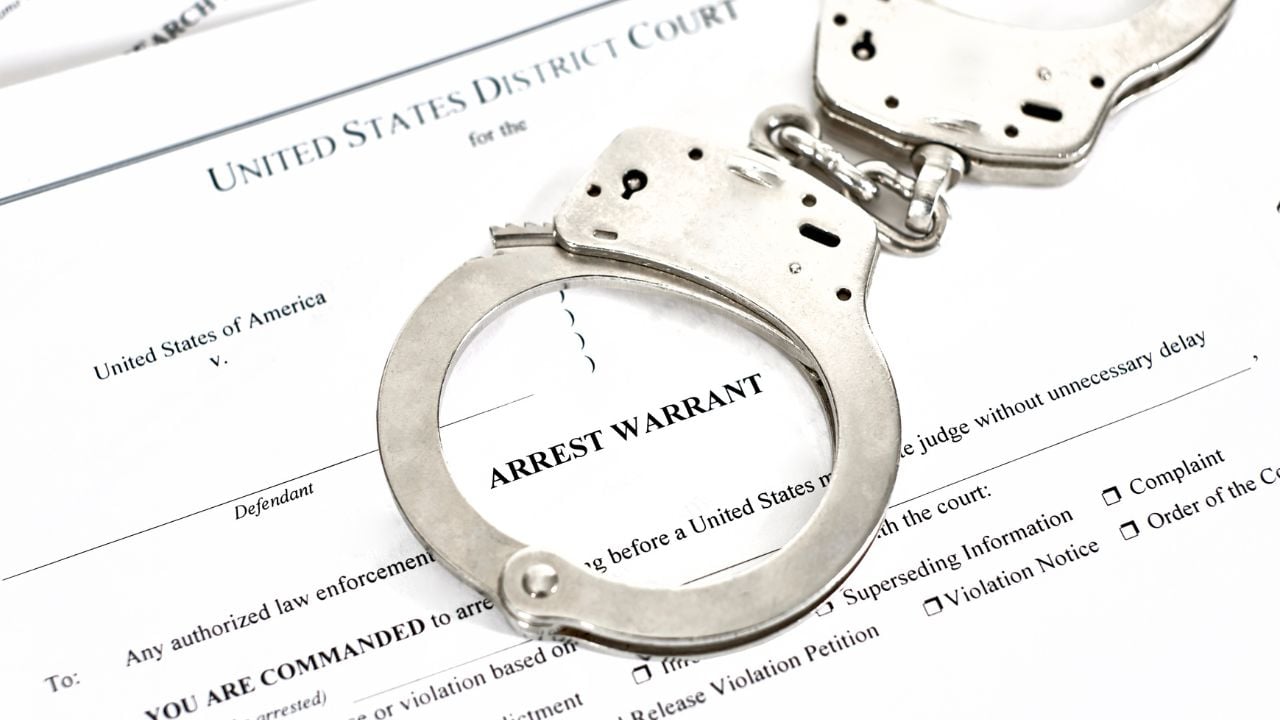
Warrant scams work because the caller pretends to carry official power.
The victim is often told that a payment will clear a warrant, cancel an arrest order, or resolve a supposed court problem. Instead of giving the target time to verify the claim, the scammer pushes urgency and uses law-enforcement language to keep control of the conversation.
These schemes typically rely on fear, with callers claiming the victim has a warrant, missed court, or must pay quickly to avoid arrest.
Grady Was Booked in Sumner County
Booking records identify Grady as 32 and list her residence as Warner Robins, Georgia.
She was booked in Sumner County on July 6. The public booking entry confirms the arrest information but does not provide a detailed narrative of Grady’s alleged role.
Real Courts Do Not Take Warrant Payments by Phone
A scammer may claim to be a deputy, police officer, court clerk, federal agent, or jail official and say the victim must pay immediately to avoid arrest. The FTC warns that real law enforcement will not text or email an arrest warrant, and courts do not demand payment over the phone.
People who receive a warrant, jury-duty, or law-enforcement payment threat should hang up and contact the real court or agency directly using a number found independently.
Suspected warrant scams should be reported to local law enforcement, the real court or sheriff’s office being impersonated, and the FTC at ReportFraud.ftc.gov. Online fraud can also be reported to the FBI’s Internet Crime Complaint Center at IC3.gov.