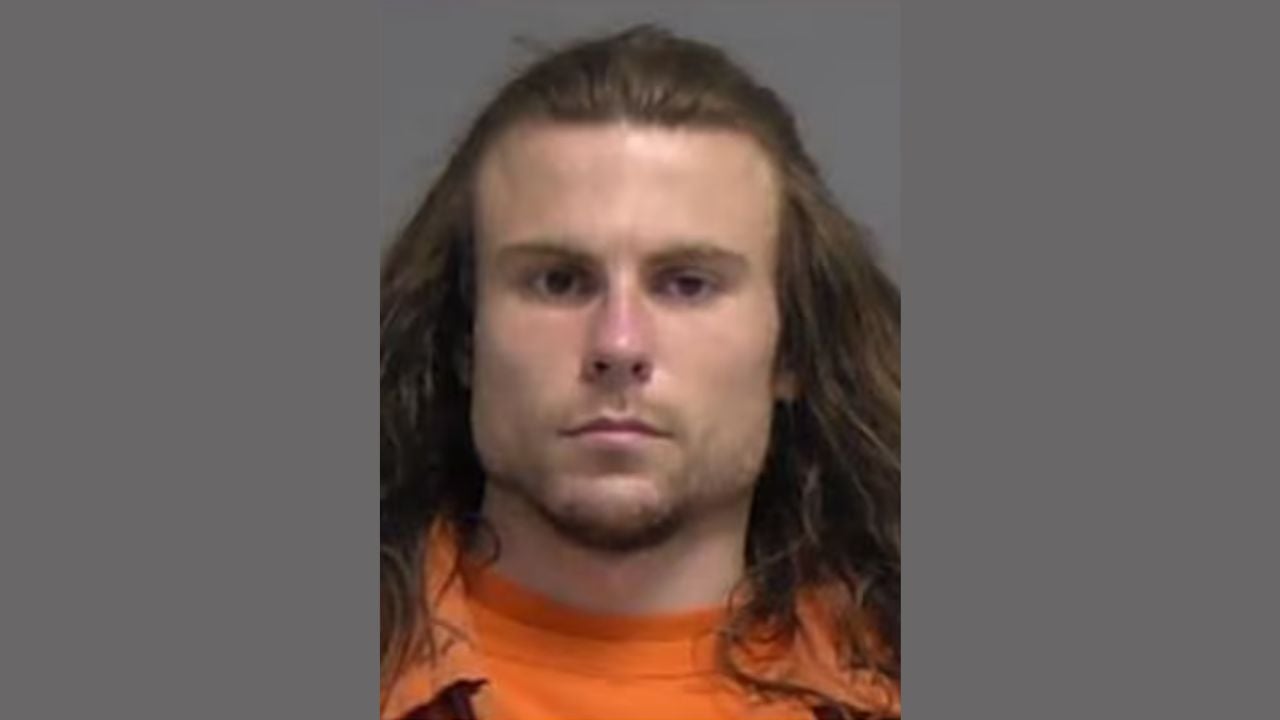
A $100 check that allegedly became a $1,000 deposit helped Nassau County detectives uncover what they now describe as a much larger fraud scheme.
Colin Wade Harris, 26, of Hilliard, is accused of using stolen identities, forged checks, fraudulent card activity, and bank accounts opened under other people’s names.
Investigators said the case grew from one altered check into a pattern involving local victims, businesses, a nonprofit organization, and even the personal information of a Nassau County Sheriff’s Office employee.
Harris is being held in the Nassau County Jail & Detention Center without bond, according to News4JAX.
The Case Started With an Altered Check
News4JAX reported that the investigation began in December 2025 after a victim reported that a $100 check had been changed to $1,000.
Investigators said the intended recipient’s name was also changed before the check was deposited.
Surveillance video from a local bank later helped identify Harris as the person who deposited the check using another person’s identity, according to the Nassau County Sheriff’s Office.
Detectives Found a Pattern of Similar Fraud

As detectives continued investigating, they said they uncovered other cases with similar elements. The Sheriff’s Office accused Harris of opening bank accounts with stolen identities and using those accounts to deposit checks.
That method gave the alleged scheme two parts, the check fraud itself and the identity theft needed to move the money through accounts that did not belong to Harris.
Investigators said the activity involved attempts to steal more than $100,000.
A Local Nonprofit Was Among the Targets
Detectives said Harris deposited seven checks totaling more than $5,000 that had been intended for the nonprofit.
Investigators also found photos on his cellphone of 15 checks made payable to the same organization, including one check for $175,000.
Personal Information From 109 People Was Found
After Harris was jailed on separate charges, detectives seized his cellphone and searched it with a warrant. They said they found evidence that he had purchased personal identifying information from at least 109 people. Most of those people were local residents, according to investigators.
The list allegedly included an employee of the Nassau County Sheriff’s Office, bringing the fraud trail inside the same agency later investigating the case.
Investigators Say He Tried to Erase Data From Jail
The Sheriff’s Office also said Harris tried to have someone remotely erase data connected to his Apple account after learning detectives had obtained a search warrant for his phone.
That alleged attempt became another important part of the investigation because the phone was described as a key source of evidence.
The public report does not say whether any data was successfully erased or recovered afterward, but it does say detectives found enough evidence to support multiple felony charges connected to the broader scheme.
The Charges Include Grand Theft and Identity Fraud
Harris faces several felony charges, including first-degree grand theft of more than $100,000, uttering forged bills, fraudulent use of a credit card, using the identity of another without consent, and using a two-way communication device to facilitate a felony.
News4JAX reported that Harris had previously been on probation for trafficking in counterfeit credit cards.
The current case remains an active criminal matter, with investigators describing a months-long probe into stolen identities, altered checks, and attempts to steal money from people and organizations in Nassau County.
Altered Checks Can Lead to Wider Identity Theft
When a check is changed, deposited under another person’s name, or routed through an account opened with stolen information, the risk may extend beyond the original check writer and intended recipient.
Businesses and nonprofits should monitor outgoing checks, confirm that checks reached the correct recipient, review cleared check images, and watch for altered payees, changed amounts, unfamiliar endorsements, or deposits into accounts that do not match the intended payee.
People who learn their personal information was used to open a bank account should contact the financial institution, file an identity-theft report, review credit reports, and consider placing a fraud alert or credit freeze with the major credit bureaus.
Suspected check fraud should be reported to the bank, local law enforcement, and the organization or person that issued the payment. Identity theft can also be reported through the FTC’s recovery portal at IdentityTheft.gov. If a check may have been stolen from the mail, a report can be filed with the U.S. Postal Inspection Service.