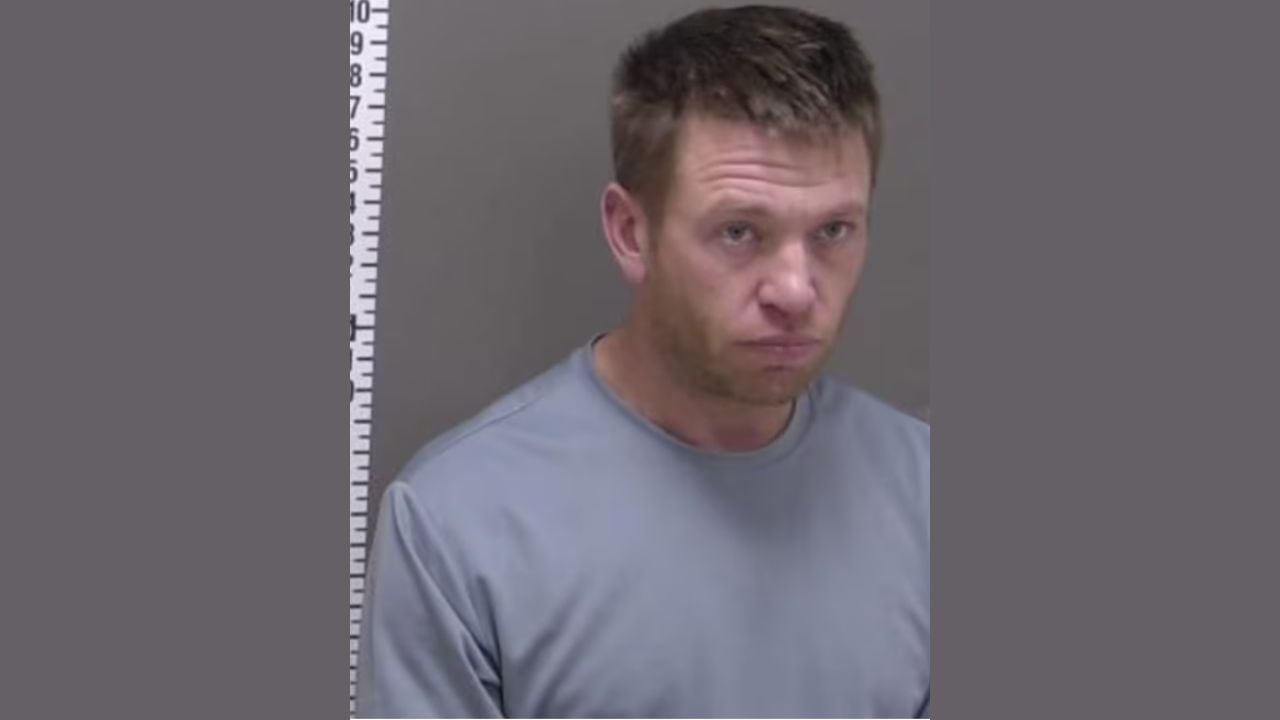
Daniel Scott Flaten’s harvesting equipment allegedly recorded much higher corn yields than the figures he gave his crop insurer. Federal prosecutors say the gap was part of an arrangement with another North Dakota farmer to report losses that had not occurred.
Daniel Scott Flaten and Derek Scott Flaten face federal charges involving crop insurance certifications, according to a Valley News Live report published November 2 after reviewing an indictment dated October 8. Both are charged with conspiracy to make false statements to influence the Federal Crop Insurance Corporation, and each faces two individual false-statement counts.
Prosecutors allege the farmers received approximately $619,130 in improper insurance payments on three policies, with another $103,966 in government subsidies connected to those policies. Valley News Live reports that the indictment also describes nearly $15 million in insurance payments, subsidies and disaster assistance received between 2016 and 2025, but does not allege that all of those payments were fraudulent.
The government’s account involves grain sold under another farmer’s name, harvest records allegedly kept from adjusters and certifications blaming crop losses on natural conditions. The charged statements include one from 2024, although prosecutors place the alleged conspiracy between January 2021 and January 31, 2023.
Harvest Equipment Logged Far More Corn Than the Reported Yields
For four Cass County corn units in 2021, Daniel allegedly certified yields of 67 to 90 bushels per acre. According to Valley News Live’s review of the indictment, his harvesting equipment recorded between 116 and 144 bushels per acre. In 2022, his reported yields across five corn units ranged from 72 to 115 bushels per acre, while the electronic records showed 120 to 171.
Prosecutors say he concealed the precision-farming data from insurance adjusters. Two adjusters working for one insurer questioned why his stated yields were so much lower than others in the area, but the insurance companies ultimately accepted the certifications and paid the claims, according to the indictment.
Corn Was Allegedly Sold Under Derek Flaten’s Name
According to prosecutors, Daniel Flaten sold some of his corn to grain elevators using Derek Flaten’s name and represented that the grain came from Derek’s fields. That allegedly made Daniel’s harvest appear smaller, supporting claims that drought or other natural conditions had reduced production.
The government alleges that the grain attributed to Derek or other family members made their production histories look higher, potentially improving insurance coverage in later years. Under Actual Production History-based insurance plans, the USDA Risk Management Agency says insurers use previous crop-year production reports to calculate the approved yields that determine coverage.
The Indictment Identifies Corn Payments and a Disputed Planting Date
Among the payments cited by prosecutors are $279,948 in crop insurance proceeds for Daniel’s 2021 Cass County corn and approximately $182,391 for his 2022 corn. The indictment also identifies $23,563 in federal disaster assistance.
Investigators also allege Daniel certified that his 2022 corn was planted before June 1, when the planting actually took place from June 4 through June 15. The USDA’s insurance cycle requires farmers to report planting dates and explains that coverage can depend on whether acreage was planted within the applicable deadlines.
Five Federal Counts Include Soybean and Dry Bean Certifications
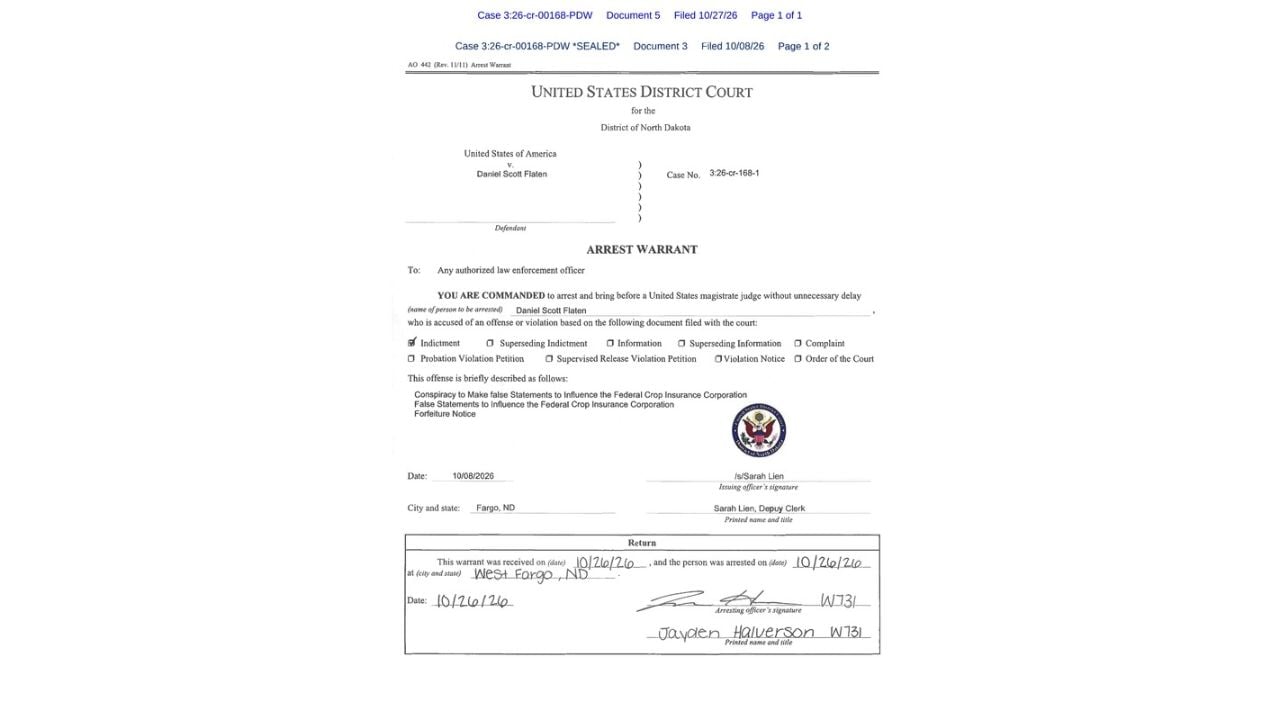
The conspiracy count names both defendants. Daniel’s two individual false-statement charges concern certifications dated November 15, 2021, that 452.65 acres of dry beans and 412.42 acres of soybeans were damaged solely by natural causes, according to prosecutors.
Derek’s two individual counts involve soybean certifications dated February 19, 2022, covering 1,562.14 acres, and February 29, 2024, covering 2,109.39 acres. Prosecutors allege the statements misstated the causes of the losses and are seeking forfeiture of proceeds linked to the charged offenses.
The federal docket, case 3:26-cr-00168-PDW, lists the case as unsealed on October 27, with an initial-appearance entry and an order setting conditions of release filed that day.
What Farmers Must Keep to Support Crop Insurance Yields
A USDA Risk Management Agency determination explains that production reports must be supported by verifiable records, including documents from grain buyers or warehouse operators, measurements of grain held in storage or other production evidence accepted under the applicable procedures.
Farmers can reconcile grain-elevator receipts and stored-grain measurements with their reported production for each insured unit, while preserving harvest data and planting records relevant to a claim.