
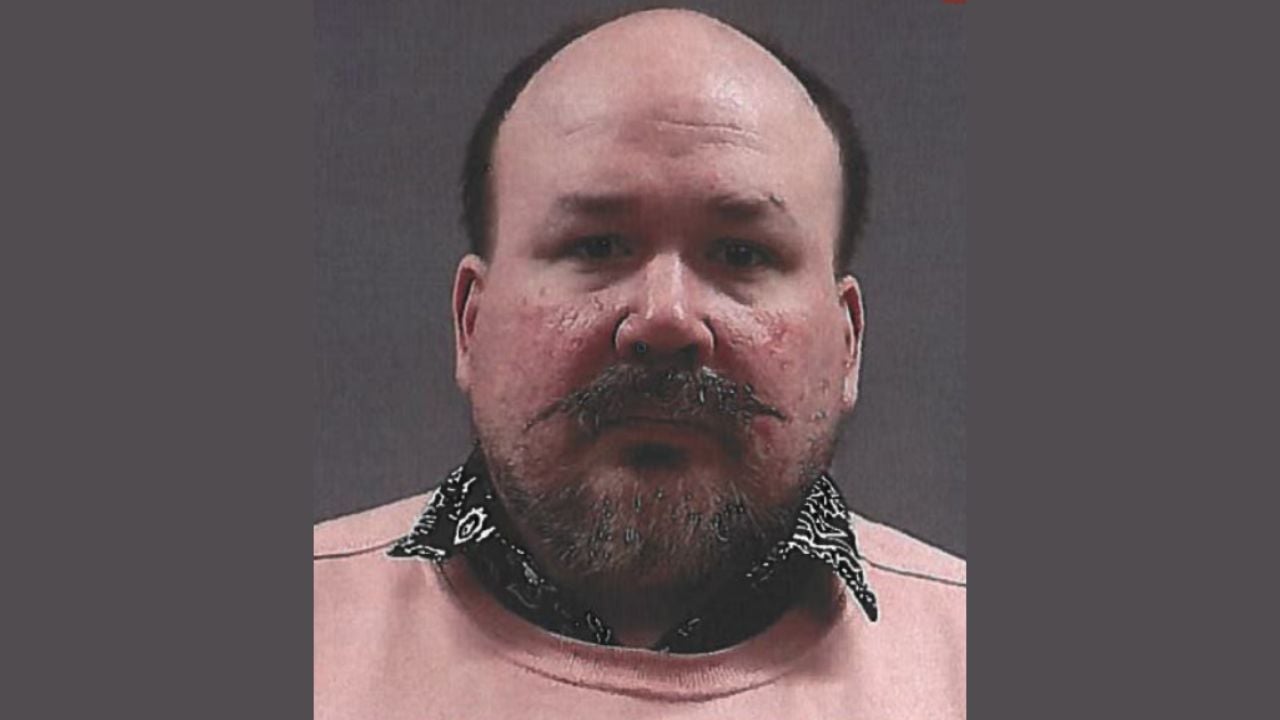
A Pennsylvania attorney accepted $750 from an 83-year-old woman five days after admitting to detectives that he had stolen more than $156,000 from two other clients, according to Bucks County prosecutors. The woman was paying for trust and will documents that he never delivered.
Andrew C. Neville, 40, owner of Neville Law PLLC in Newtown Borough, faces additional charges announced November 12, 2026. The Philadelphia woman came forward after learning about his October arrest.
She paid Neville $1,500 in two installments, bringing the amount investigators say he took from three clients to $158,281.78. The Bucks County District Attorney’s Office said none of that money had been returned as of its announcement.
The earlier allegations involve a deceased woman’s estate and a 76-year-old man who had given Neville authority over his finances. Prosecutors say the second client’s bank account was left with just $26.21.
An 83-Year-Old Paid Twice for Trust and Will Documents
The woman first consulted Neville in December 2025, with assistance from her daughter and son, but initially decided against proceeding. Her son resumed contact around August 13, 2026, to arrange preparation of the documents, according to prosecutors.
The family communicated with Neville through text messages, video conferences and his law firm’s email address. He sent invoices bearing Neville Law’s letterhead and Newtown Borough office address.
Using the woman’s bank account, the family made electronic payments of $750 on August 21 and September 30. The second payment came five days after Neville’s September 25 interview with investigators about the earlier thefts.
Communications continued through October 16, according to the district attorney’s account. Prosecutors say Neville neither produced the requested documents nor refunded the payments.
Investigators Traced $113,150 From a Deceased Woman’s Estate
The original investigation began October 2, 2025, when a woman reported suspected theft from her late mother’s estate. She had hired Neville the previous October to provide legal services and was serving as the estate’s executrix.
According to the district attorney’s original charging announcement, Neville consolidated the estate’s funds into an account at the First National Bank & Trust Company of Newtown. Investigators identified 46 allegedly unauthorized withdrawals and transfers totaling $113,150 between January and May 2025, including payments toward rent for his office and residence.
A Power-of-Attorney Client’s Account Was Left With $26.21
The second client, a 76-year-old man, signed a General Durable Power of Attorney naming Neville as his agent in March 2024. Prosecutors say Neville added himself to the man’s Santander Bank account and used that access to make unauthorized transactions.
Investigators identified 26 transactions totaling $43,631.78 between July 2024 and May 2025. By June 2025, the account contained $26.21, according to the district attorney’s office.
During the September 25 police interview, Neville admitted taking money from both clients, prosecutors said. Their announcement states that he attributed the thefts to medical and substance abuse issues and an online gambling addiction, with a large portion of the money transferred to online gambling.
His Law License Was Already on Disability Inactive Status
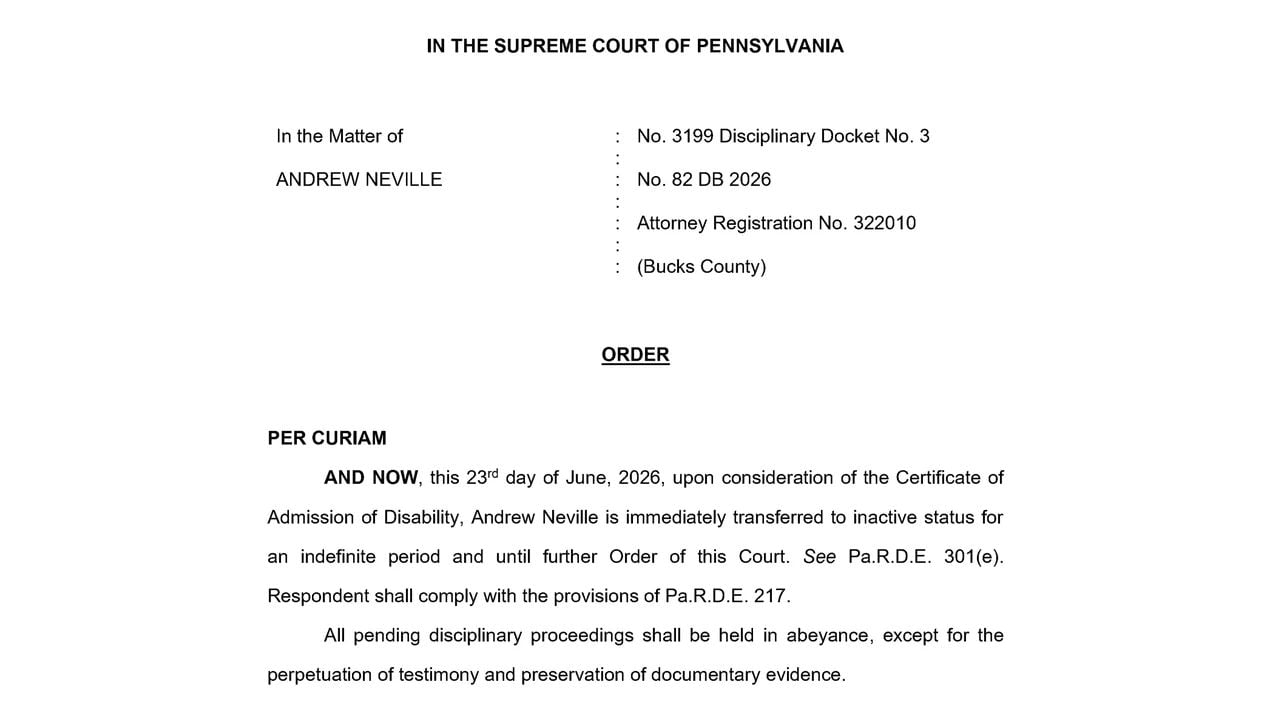
The Pennsylvania Supreme Court’s June 23 order transferred Neville to inactive status indefinitely after considering a Certificate of Admission of Disability. It also placed pending disciplinary proceedings on hold, apart from preserving testimony and documentary evidence.
The Disciplinary Board’s attorney registry identifies his status as “Disability Inactive” under Rule 301. Prosecutors say he did not disclose his inactive status while communicating with the Philadelphia family and accepting their payments.
The new allegations include unauthorized practice of law, financial exploitation of an older adult, deceptive or fraudulent business practices, computer offenses and criminal use of a communication facility. Those allegations were announced after the woman reported her experience to investigators.
Court Records Show Bail Was Reduced to $150,000
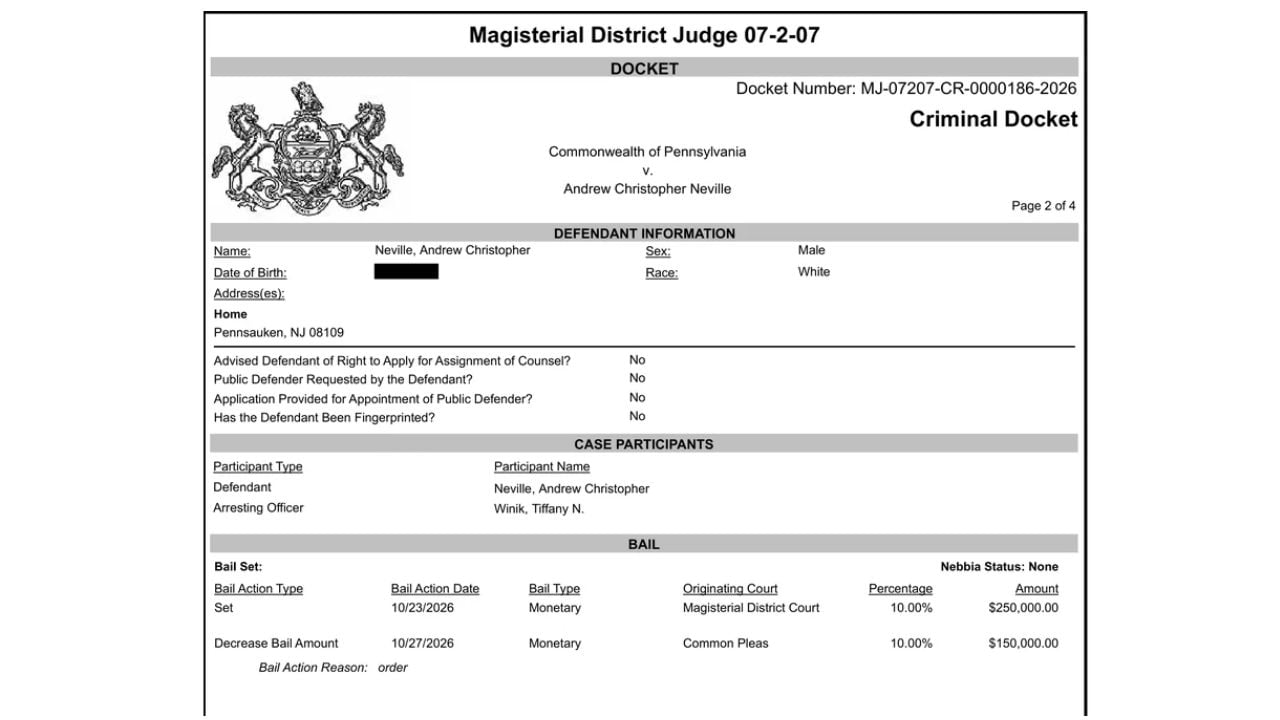
Neville surrendered October 23 on charges filed by Newtown Borough police and Bucks County detectives. His original charges included financial exploitation, identity theft, forgery and several theft offenses.
A three-page excerpt of Neville’s criminal docket, retrieved November 16, lists 22 counts in case MJ-07207-CR-0000186-2026. It records an October 27 reduction in bail from $250,000 to $150,000, with a 10% monetary condition.
The docket schedules a preliminary hearing for December 10 at 9:30 a.m. before Magisterial District Judge Michael W. Petrucci. Prosecutors said Neville remained in the Bucks County Correctional Facility as of November 12. He is presumed innocent unless proven guilty.
Check a Lawyer’s Status and Review Options for Stolen Funds
Before hiring a Pennsylvania lawyer, check the Disciplinary Board’s official attorney lookup for current eligibility to practice. When an attorney manages estate money or acts under a power of attorney, request regular account statements and independently review withdrawals and transfers.
Preserve invoices, payment confirmations, bank records and correspondence if you suspect money has been taken. Report suspected theft to law enforcement and attorney misconduct through the Office of Disciplinary Counsel’s complaint process, which does not itself provide reimbursement.
The Pennsylvania Lawyers Fund for Client Security considers qualifying claims involving attorneys’ dishonest handling of client funds. Its published examples include fees accepted without legal services being provided and estate assets not distributed by an attorney serving as executor. Ordinary fee disputes and malpractice claims fall outside its jurisdiction. Eligibility is assessed under the fund’s rules.