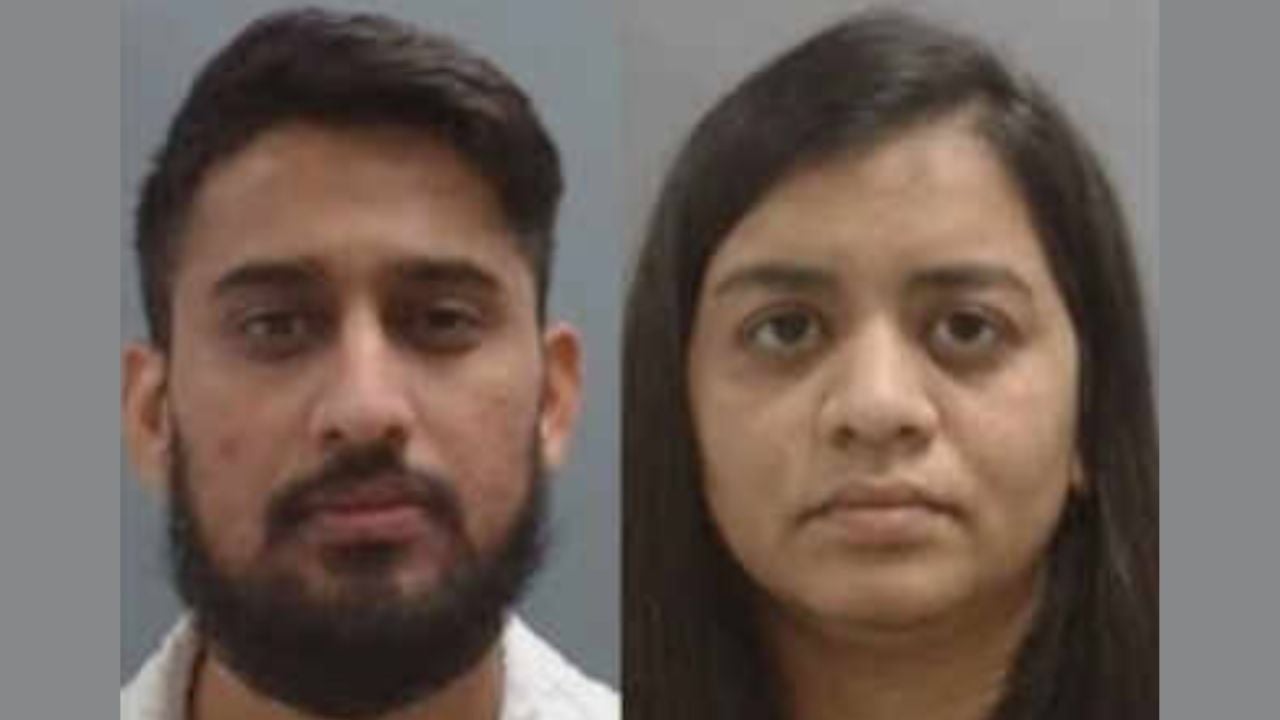
Two Indian nationals who arrived to collect what they believed was $29,500 from an elderly fraud victim instead walked into an Arkansas police sting. Both have now pleaded guilty in the case.
Prashant Gajera and Dharaben Bavadiya were arrested in Gentry on April 21 after an undercover officer handed Gajera a box containing fake U.S. currency during a monitored cash pickup.
The operation targeted a PayPal refund scam in which victims are convinced that money was mistakenly credited to them and must be returned. Investigators knew someone was coming to collect $29,500 and arranged for officers to be waiting.
Gajera pleaded guilty June 29, while Bavadiya entered her plea Aug. 17, according to New India Abroad. Both received five-year prison sentences that were suspended.
The Scam Was Supposed to End With a $29,500 Cash Pickup
The underlying scheme relied on persuading a target that money had mistakenly appeared in a PayPal account and that the supposed overpayment had to be returned.
Gentry police coordinated with Homeland Security Investigations and scam-baiting group Trilogy Media after learning that a cash collection was being arranged. Officer David Williamson posed as the elderly victim. Instead of real money, investigators gave him a box containing fake currency to use during the exchange.
According to the case affidavit, the planned pickup repeatedly shifted between the parking lot of Harp’s and Jim’s Razorback Pizza in Gentry. The Highfill Police Department deployed a drone team to monitor the area while officers watched the changing meeting locations.
Investigators said Bavadiya was dropped off near the pizza restaurant while Gajera returned to the Harp’s parking lot, where Williamson was waiting.
Cameras Recorded the Fake-Money Handoff
Multiple cameras captured Williamson handing Gajera the box that was supposed to contain $29,500 in U.S. currency. Once Gajera accepted it, officers moved in and arrested both defendants.
Investigators recovered multiple cellphones and additional SIM cards, according to The Times of India. Police believed Gajera and Bavadiya were functioning as collectors or middlemen rather than necessarily controlling every stage of the larger scam.
After his arrest, Gajera told investigators that he had met Bavadiya approximately a week earlier and had been asked to help collect a parcel. He said Bavadiya was supposed to receive $300 for making the pickup, according to reporting based on the affidavit. Gajera also acknowledged that he knew the box was expected to contain approximately $30,000.
Bavadiya Said Her Family in India Was in Danger
Bavadiya gave investigators a different account of how she became involved. She said she had arrived in the United States only weeks earlier and claimed she had been instructed to participate because her family in India was in danger. She also told investigators that she had come to the United States for a clothing business.
Both Defendants Have Now Pleaded Guilty
Court records cited by New India Abroad show that Gajera pleaded guilty on June 29. Bavadiya followed on Aug. 17. Both received five-year sentences that were suspended, meaning the prison terms are not immediately served as long as the defendants comply with the conditions imposed by the court.
A Real PayPal Refund Does Not Require a Cash Courier
PayPal warns about overpayment and refund scams in which criminals claim too much money was sent and then demand that the recipient return the difference. PayPal advises users to verify suspicious activity directly through their account.
If a supposed PayPal representative tells someone to withdraw thousands of dollars in cash, package it or give it to a person arriving for pickup, stop the transaction. Do not assume a courier is legitimate because the caller provides a name, code or detailed instructions.
Consumers should log in to PayPal directly through the official app or website and review their transaction history. Suspicious invoices or money requests should not be paid, and PayPal advises users not to call phone numbers included in questionable messages.
Anyone who has already arranged a cash handoff should contact local police before surrendering the money. If a suspicious PayPal message or email started the scam, it can also be forwarded to PayPal at phishing@paypal.com for review.