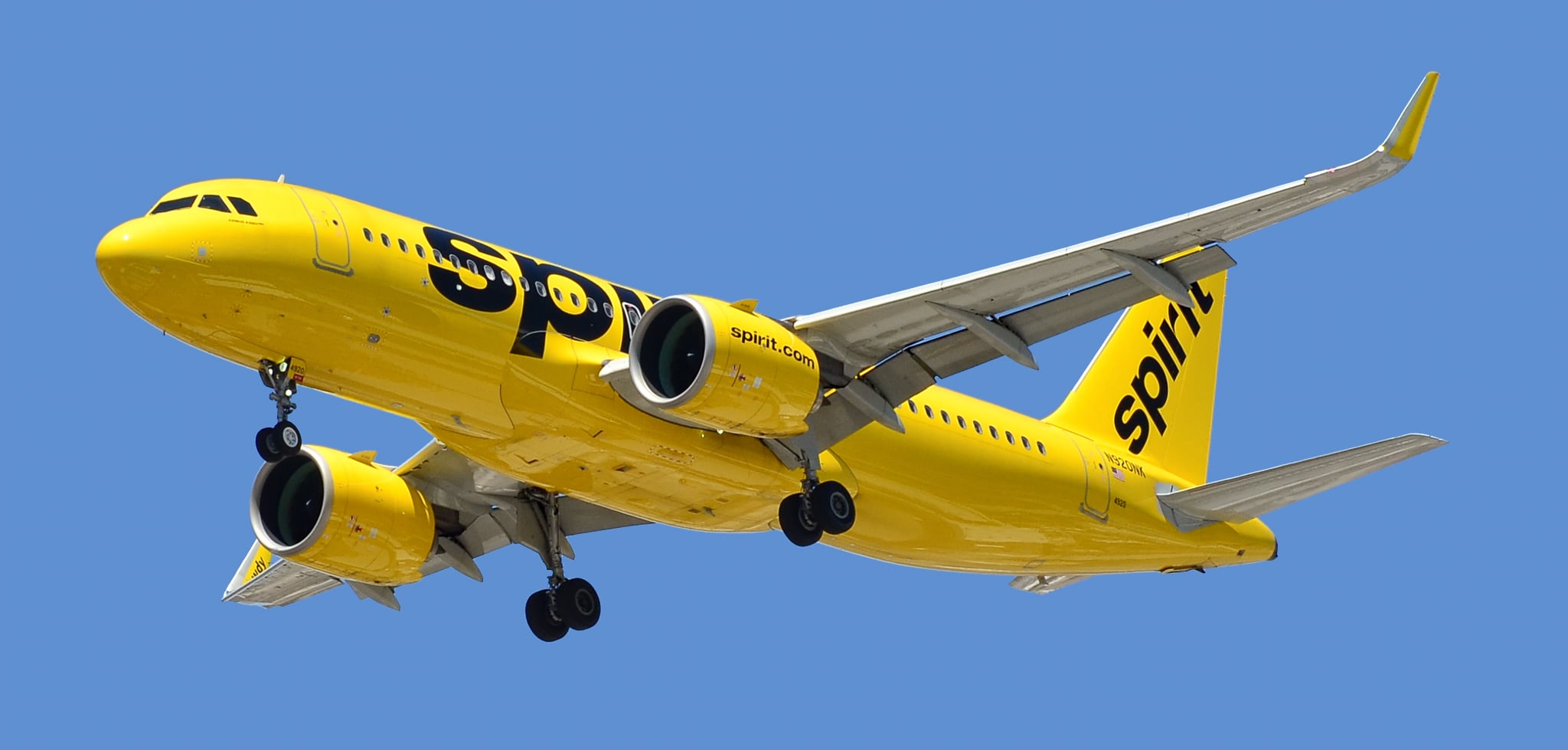
What started as a joke on TikTok has turned into one of the internet’s wildest viral moments of 2026.
After Spirit Airlines abruptly shut down this spring, leaving passengers stranded and social media in meltdown mode, TikTok creator Hunter Peterson floated an outlandish idea: what if regular people just bought the airline themselves? Now, that half-serious pitch has snowballed into a full-blown online movement. According to Peterson’s campaign, supporters have made more than $335 million in non-binding pledges toward a dream of reviving Spirit as a fan-owned airline, even though he acknowledged his lack of aviation and regulatory expertise, seeking support from professionals as the campaign evolves. He has publicly asked for help from aviation lawyers and public relations professionals, a sign that even he recognizes the gulf between a viral idea and a workable rescue plan.
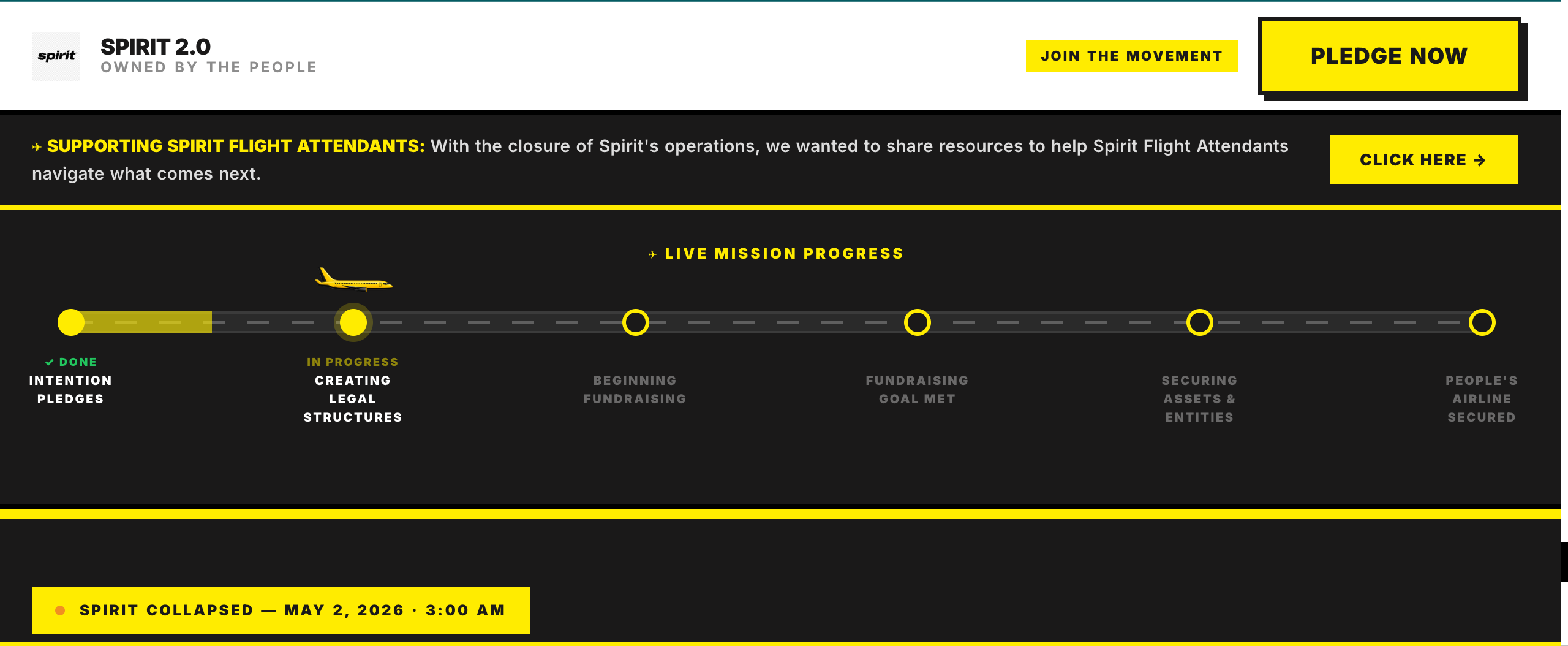
The huge number has helped turn the campaign into a headline-grabbing sensation. But there is one major catch: no real money has changed hands, no formal bid has been filed, and there is no indication that Spirit’s owners, creditors, or federal regulators are treating the effort as an actual takeover attempt.
Still, in an era when internet humor can morph into a national story overnight, Peterson’s “Let’s Buy Spirit” campaign has become far bigger than a throwaway meme.
https://www.tiktok.com/@hbpvo/video/7635338766743260447
Spirit’s shutdown triggered a wave of frustration from travelers who suddenly found themselves dealing with grounded flights, empty counters, and few answers. Into that mess stepped Peterson, a 32-year-old TikTok creator and voice actor, who posted a video that mixed outrage, absurdity, and a surprisingly catchy pitch.
His math was simple enough to go viral. With more than 250 million adults in the United States, Peterson argued, it would take only a slice of them chipping in around $30 to $40 each, roughly the price of a budget Spirit ticket, to buy the airline outright.
He pitched the idea as a people-powered rescue mission, framing it as a way for passengers and fans to take control instead of watching another airline vanish. He even invoked the Green Bay Packers, the National Football League’s famously publicly owned team, as a model for how a fan-backed Spirit could work.
It sounded ridiculous. That was part of the appeal.
The TikTok took off as users shared it across platforms, with many embracing the idea partly as satire and partly as a strangely heartfelt response to Spirit’s collapse. Some commenters mourned the loss of ultra-cheap airfare. Others loved the rebellious energy of everyday people trying to crowdsource an airline purchase. And plenty were simply entertained by the chaos of it all.
As the buzz exploded, Peterson launched a website, letsbuyspiritair.com, to give the campaign a home beyond TikTok. The site does not collect actual investments. Instead, it asks visitors how much they would hypothetically be willing to contribute toward a fan-owned Spirit revival.
That distinction matters. These are not payments, investments, or binding financial commitments. They are pledges entered into a form, which then feed a public total displayed on the site.
Even with that major caveat, the numbers caught attention fast. Early coverage reported that hypothetical pledges had already crossed $88 million. As the campaign spread from social media to local television and business outlets, the total kept climbing. Later reports said it had passed $130 million. By early May, some outlets were citing totals north of $335 million, with others putting the tally at at least $337 million.
One local report said the website suggested a starting pledge of $45, described as close to the average cost of a Spirit one-way fare. The same coverage said the campaign reported an average pledge of $989; a figure that only added to the sense that the campaign was living somewhere between genuine support and meme-fueled exaggeration.
Outside the internet bubble, though, experts have been quick to pour cold water on the fantasy.
Business outlets and analysts have stressed that the campaign’s headline number is not real money in any practical sense. The pledges are non-binding, not held in escrow, and not tied to any official acquisition structure.
And even if every dollar somehow became real overnight, experts say the figure would still fall short of what it would take to buy and restart a major airline. Reviving a grounded carrier would require far more than hundreds of millions of dollars. It would involve debt, aircraft, staffing, maintenance, airport access, fuel costs, customer obligations, and a maze of regulatory approvals.
Just as important, there is no sign that Spirit itself is engaging with the campaign as a real proposal. Reports have noted that the airline did not publicly comment when asked about the effort. There have also been no public filings showing that Peterson or any organized group behind him has made a formal move to acquire Spirit’s assets.
Peterson has not tried to hide the fact that he is learning as he goes. In follow-up posts and media interviews, he has acknowledged that he is not an aviation expert and does not claim to understand every financial or legal detail involved in running an airline.
That is part of what makes the story so compelling. The campaign sits in a blurry zone between internet stunt and genuine public yearning. By some accounts, Peterson has admitted the idea started more as online humor. But the more attention it got, the more it seemed to tap into something bigger: public frustration with corporate failure, nostalgia for a chaotic but cheap airline, and fascination with the idea that ordinary people could reclaim something from the wreckage.
There is also a warning buried inside the viral fun. Some media reports have flagged the appearance of copycat or scam-style sites trying to exploit the momentum around the campaign, underscoring the need for caution whenever internet buzz starts attracting money-themed spin-offs.
For now, the facts remain straightforward. Spirit Airlines is still shut down. The pledge counter is still built on hypothetical numbers. And the TikTok campaign, while undeniably viral, is still a long way from becoming a real-world airline comeback.
But as a cultural moment, it has already landed. “Let’s Buy Spirit” is funny, chaotic, slightly ridiculous, and surprisingly revealing, the kind of story that could only happen in a social media age where a joke can become a movement before anyone has time to ask who, exactly, is holding the checkbook.