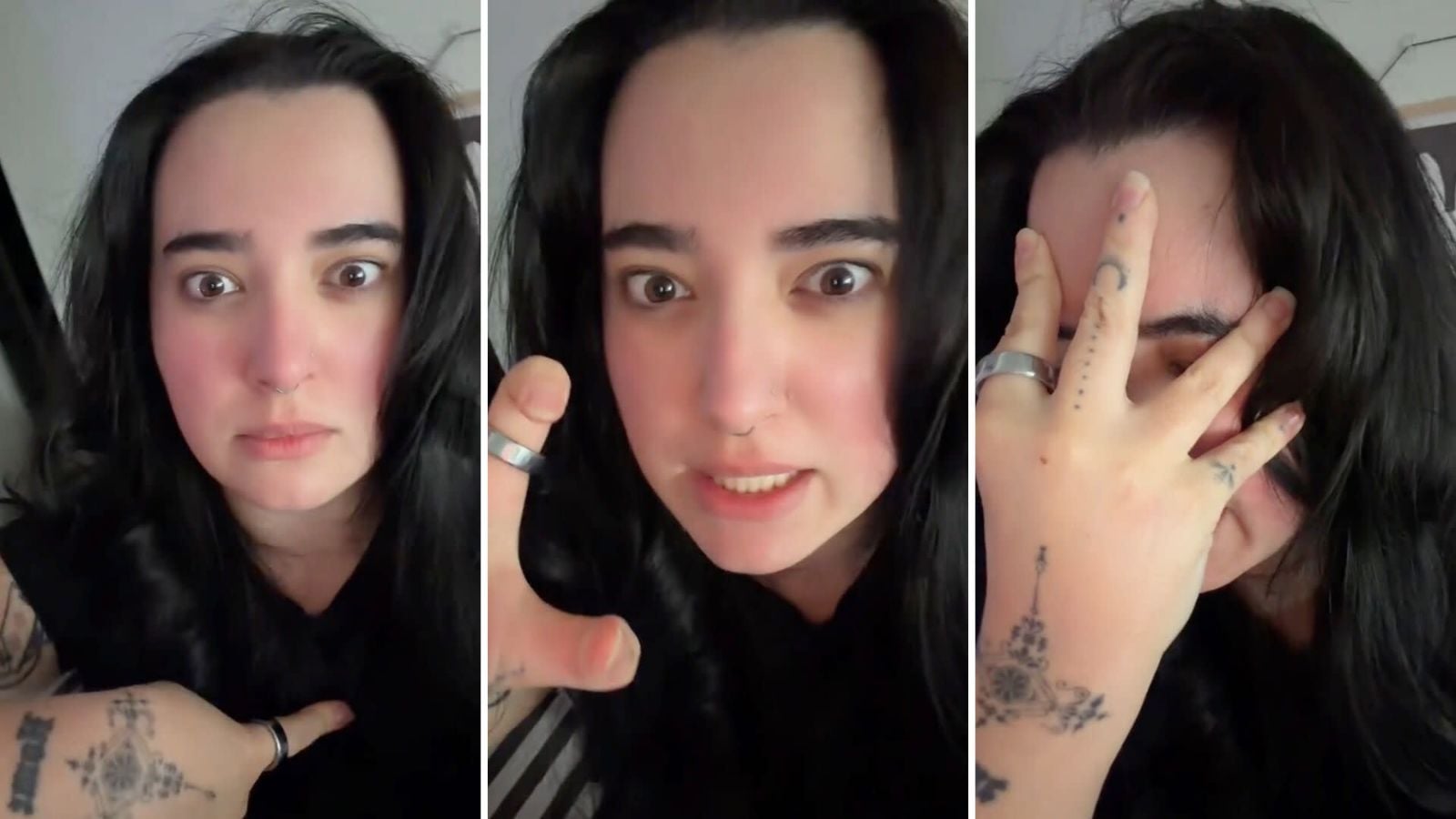
Jackie Sevna just wanted to print something.
She had a printer. She had ink she’d purchased. She had paper. What she did not have, it turned out, was permission.
“They remotely shut off my printer until I paid $7.50,” Sevna said in a TikTok that has since been viewed over 373,000 times, liked nearly 47,000 times, and flooded with over 4,300 comments. Her voice cracks between disbelief and fury. She repeats the phrase “my printer that I own” like someone trying to remind the universe of a fact that should not need repeating.
Instead of the document she needed, her printer produced a single page informing her that her payment method needed updating.
HP’s subscription plans range from $1.50 to $28 per month. The mechanism underneath all of them is the same: if you stop paying, the company can reach into your home and turn your printer into a paperweight. HP’s own terms of service state it plainly. When your subscription is cancelled, the company will “remotely disable” your cartridges. Even if they are full. Even if you paid for them.
The top comment on Sevna’s video, with 21,700 likes and still climbing, reads: “Requiring a subscription to use a physical item you bought should be illegal.”
Another comment, with nearly 1,800 likes, is worse.
@jackiesevna WHAT IS HAPPENNING @HP #printer #printing #fyp #foryoupage #subscription ♬ original sound – jackie
The Tractor That Won’t Start
“You think it’s annoying with a printer,” a user named Ethan Nilsson wrote. “Now imagine being a farmer who paid $300,000 for a tractor that won’t work if he doesn’t pay the dealer service subscription.”
He wasn’t exaggerating. In April, John Deere agreed to pay $99 million to settle a class action lawsuit brought by farmers who alleged the company had monopolized the repair market for its own equipment. For years, Deere withheld the software tools that would let farmers fix their own machines, forcing them to use authorized dealerships at inflated prices. A $300,000 tractor could be sidelined by a software lock during planting season, when every day costs money.
The settlement requires Deere to make digital repair tools available to farmers and independent shops for ten years. But the principle it exposed has not gone anywhere. The company sold the machine. The farmer paid in full. And the company kept the kill switch.
A printer. A tractor. And it doesn’t stop there.
The Seat You’re Sitting On
In 2022, BMW began offering heated seats as a subscription feature in some markets. The hardware was already in the car. The wiring was in place. The seats could warm. But the software to activate them cost $18 a month. BMW retreated from heated seats after public backlash, but has since doubled down on other subscription features. Adaptive headlights, 360-degree cameras, remote engine start — all requiring monthly payments for features already built into the vehicle you purchased. In early 2026, BMW told an automotive outlet it “remains fully committed” to its subscription strategy.
The pattern is the same every time. The product is sold at full price. The capability is built in. And then a monthly fee is placed between the owner and the thing they own.
What Ownership Used to Mean
There was a time when buying something meant it was yours. You could use it, fix it, modify it, ignore it for a year, and it would still work. That idea is being quietly replaced by a model in which purchase is just the beginning of a payment relationship, and the company that sold you the product retains a kill switch it can flip from a server farm you’ll never visit.
HP can disable your ink. John Deere can lock your engine. BMW can turn off your headlights. None of them need to knock on your door to do it.
Sevna’s video ends the way it started, with her staring into her phone, voice tight. “To print on my printer that I own in my home,” she says, and then just exhales. The sentence doesn’t need a finish. The absurdity is the punctuation.
In the comments, someone offered a workaround: “Disconnect from the wifi. Thank me later.”
It had 186 likes. It was also, in its own way, a portrait of where consumer ownership stands in 2026. The best advice anyone could give was to cut your own product off from the company that sold it to you, before the company cuts you off first.