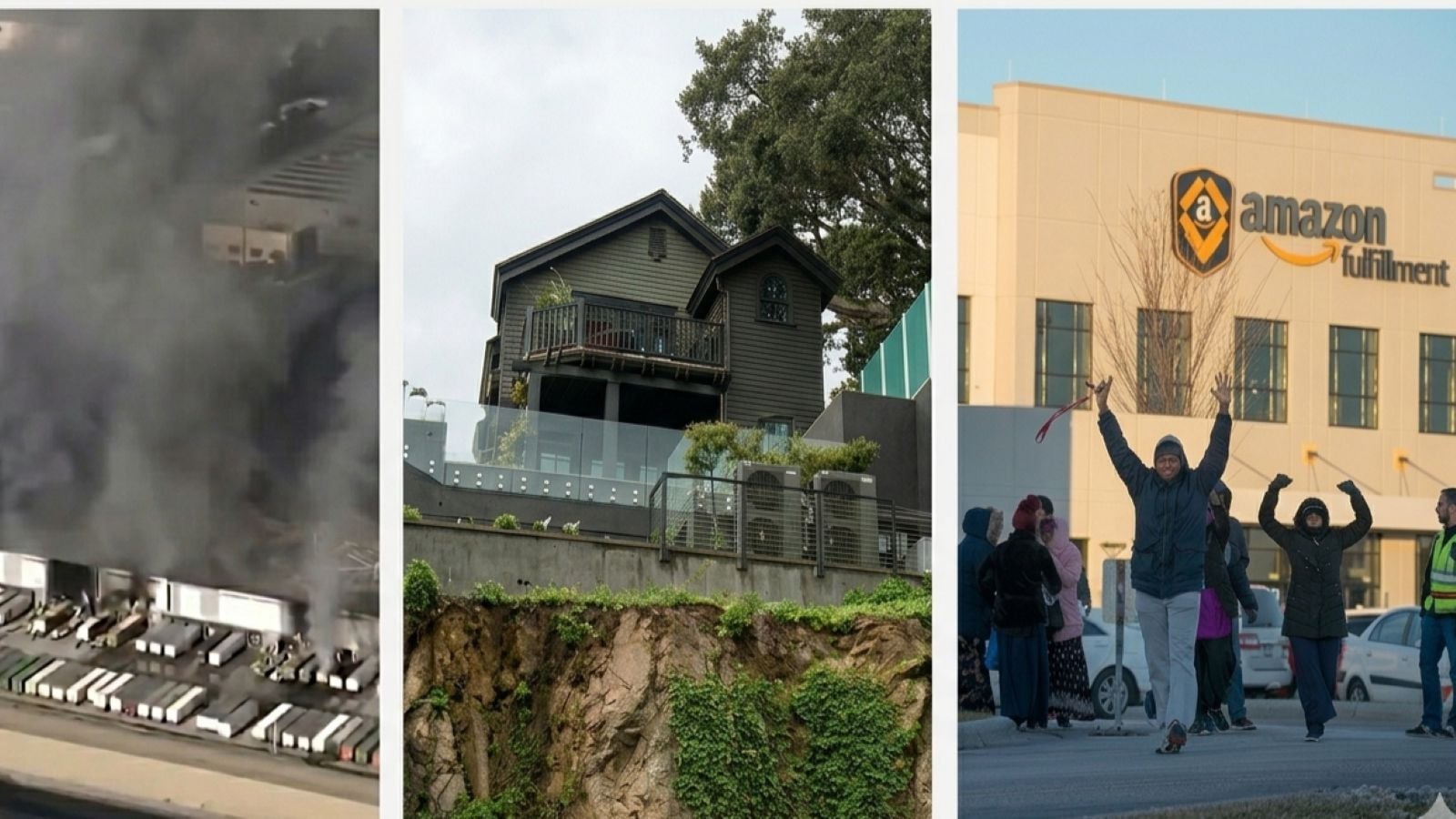
“All you had to do was pay us enough to f*cking live.”
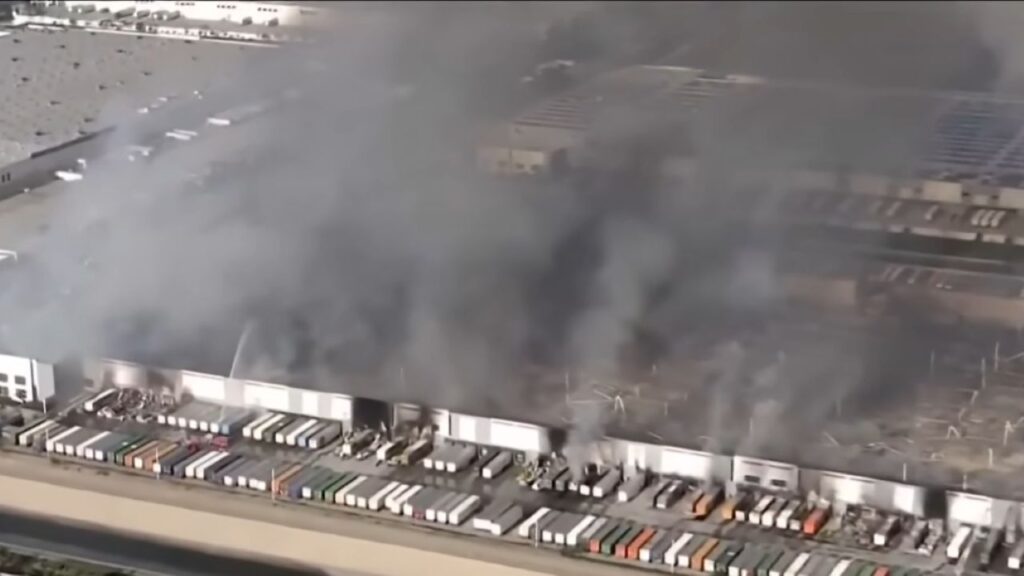
That line came from a video allegedly filmed by Chamel Abdulkarim as he set packages of toilet paper on fire inside a 1.2-million-square-foot Kimberly-Clark distribution center in Ontario, California, early Tuesday morning. The Justice Department says Abdulkarim, a 29-year-old from Highland, also texted, “Didn’t see the shareholders picking up a shift.” By morning, the warehouse was gone. The roof had collapsed. Prosecutors say the fire caused about $500 million in damage. A hundred and seventy-five firefighters fought the blaze for hours. On Friday, the U.S. Attorney’s Office filed federal arson charges. Twenty coworkers who showed up for a night shift had to run for safety, and no injuries were reported.
Fire has been contained to the building and knocked down. Crews continue working toward complete extinguishment. Road closures remain in effect. The final press conference will be held at 5:00 PM at the intersection of Hellman Avenue and Eucalyptus Avenue. pic.twitter.com/mX97FCPSKp
— Ontario Fire Dept. (@OntarioFireDept) April 7, 2026
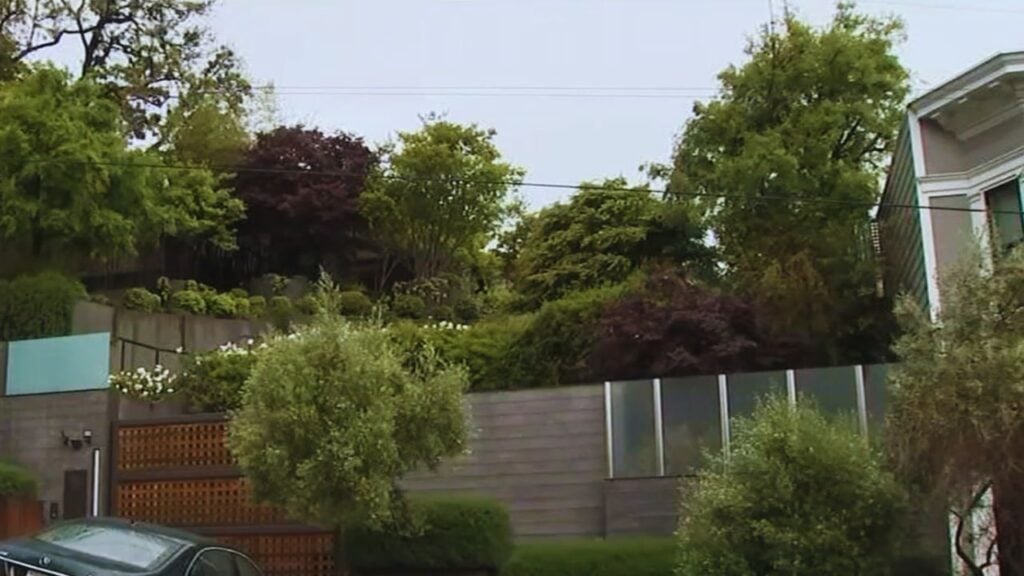
Three days later, somebody threw a Molotov cocktail at Sam Altman’s house.
The Most Visible Face of the AI Future Woke up to Fire at His Gate
Police say a 20-year-old man attacked Altman’s San Francisco home around 4 a.m. Friday. The device hit an exterior gate. Nobody was hurt. Less than an hour later, officers found the same suspect near OpenAI’s headquarters, allegedly threatening to burn it down. He was arrested. Charges were still pending Friday, and authorities had not released a motive.
The symbolism is hard to miss, even if the reasons behind it are not yet public. Altman is the most recognizable face of the AI industry. Later that day, he posted a photo of his husband and baby and asked people to “de-escalate the rhetoric and tactics” and work toward “fewer explosions in fewer homes.” That is a reasonable request from a man whose family was just endangered. It is also a request that lands in an economy already full of dry tinder.
Meanwhile, Amazon Finished Cutting 30,000 Jobs
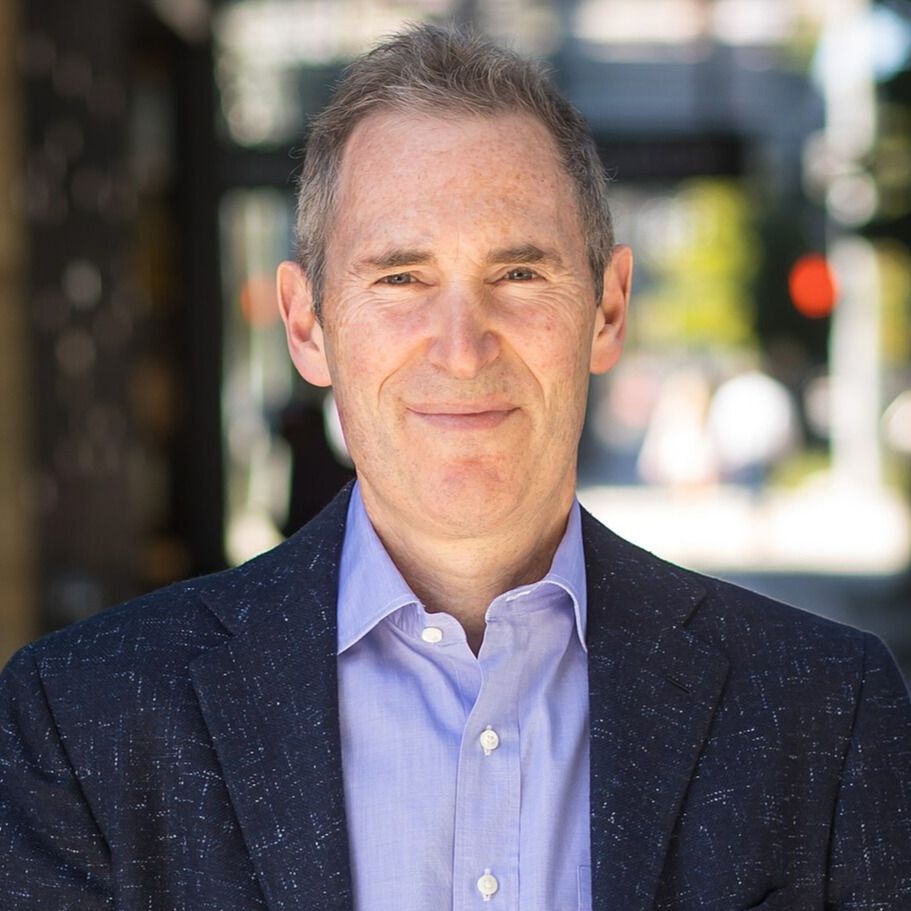
While Abdulkarim was being federally charged and Altman’s gate was still scorched, Amazon had completed roughly 30,000 corporate layoffs — the largest reduction in the company’s history. The cuts hit AWS, retail, HR, and engineering. At the same time, Amazon was ramping up AI-focused capital spending, with plans to pour about $200 billion into infrastructure in 2026, mainly for AI. CEO Andy Jassy attributed the cuts to reducing bureaucracy and abandoning weaker businesses. Reuters reported last year that Jassy’s 2024 compensation reached $40.1 million, driven largely by vested stock and a roughly 40% jump in Amazon’s share price.
Nobody set anything on fire over those layoffs. But 30,000 people received an email saying their role had been eliminated while the company spent more than ever on the future. The investor letter talks about 2027 and 2028. The family at the kitchen table is trying to get through Tuesday. Most of that spending, Jassy says, is already backed by customer commitments.
These Are Not the Same Story. That Is What Makes It Worse
These were not coordinated acts, and they did not come from one ideology. A warehouse worker allegedly burning down his workplace over wages is not the same thing as someone attacking a tech executive’s home, which is not the same thing as a corporation restructuring around AI. Different people. Different motives. Different culpability.
What they share is a week. And a pressure system.
The people who carry the boxes, stock the shelves, scan the packages, and drive the routes know what Abdulkarim’s quote means. Not because they think arson is justified — they don’t. Because the sentence did not sound foreign. It sounded like something millions of people say in less catastrophic ways every day, in kitchens, in group chats, in cars outside warehouses before shifts they cannot afford to quit.
The Fire Never Reaches the Boardroom
Kimberly-Clark has insurance and a response team in place, and Amazon’s investors cheered the AI update this week. OpenAI thanked the police and kept operating. The symbols survive. They always do.
The people who absorb the damage are everyone else. The night-shift workers who lost their workplace. The firefighters who spent hours in a defensive retreat. The neighbors in North Beach startled awake by a fire call before sunrise. The 30,000 professionals refreshing job boards in an industry pouring billions into automation and AI. The wreckage never rises. It pools at the bottom.
If the allegations are true, Abdulkarim belongs in a courtroom. So does whoever attacked Altman’s home. Criminal acts deserve criminal consequences, full stop. But punishment does not answer the question underneath all of this, the one nobody in power addressed this week: what happens to the people who cannot afford to live in the economy being built above them?
The arson was a crime. The Molotov was a crime. The layoffs were legal. But if this is what one week looked like, what does the next one look like?