Last Friday evening, a commencement speaker stood before the University of Central Florida’s College of Arts and Humanities and told the Class of 2026 that artificial intelligence was the next industrial revolution.
The graduates booed before she could finish the sentence.
“Okay, I struck a chord,” the speaker said. She tried again. “Only a few years ago, AI was not a factor in our lives—”
The room erupted. This time, they cheered. They cheered because for a moment, someone on that stage had described the world they wanted back..
The clip went viral within hours. But what made it cut wasn’t the booing. It was who was booing. Twenty-two-year-olds in caps and gowns, writers and artists and filmmakers, sitting in the arena that was supposed to launch their careers, being told to celebrate what tech founders have been selling as their replacement.
the tech world has genuinely not grappled with how many people
despise them and what they make pic.twitter.com/t2VIuYEjLW— onion person (@CantEverDie) May 11, 2026
The Gamble That Already Cost Thousands of Jobs
They have reason to boo. Amazon cut 14,000 positions in a single round, not because AI had proven it could do their work, but because the company decided to bet it would. Salesforce followed. So did Duolingo. So did Lufthansa. Workers weren’t replaced by something better. They were replaced by a promise.
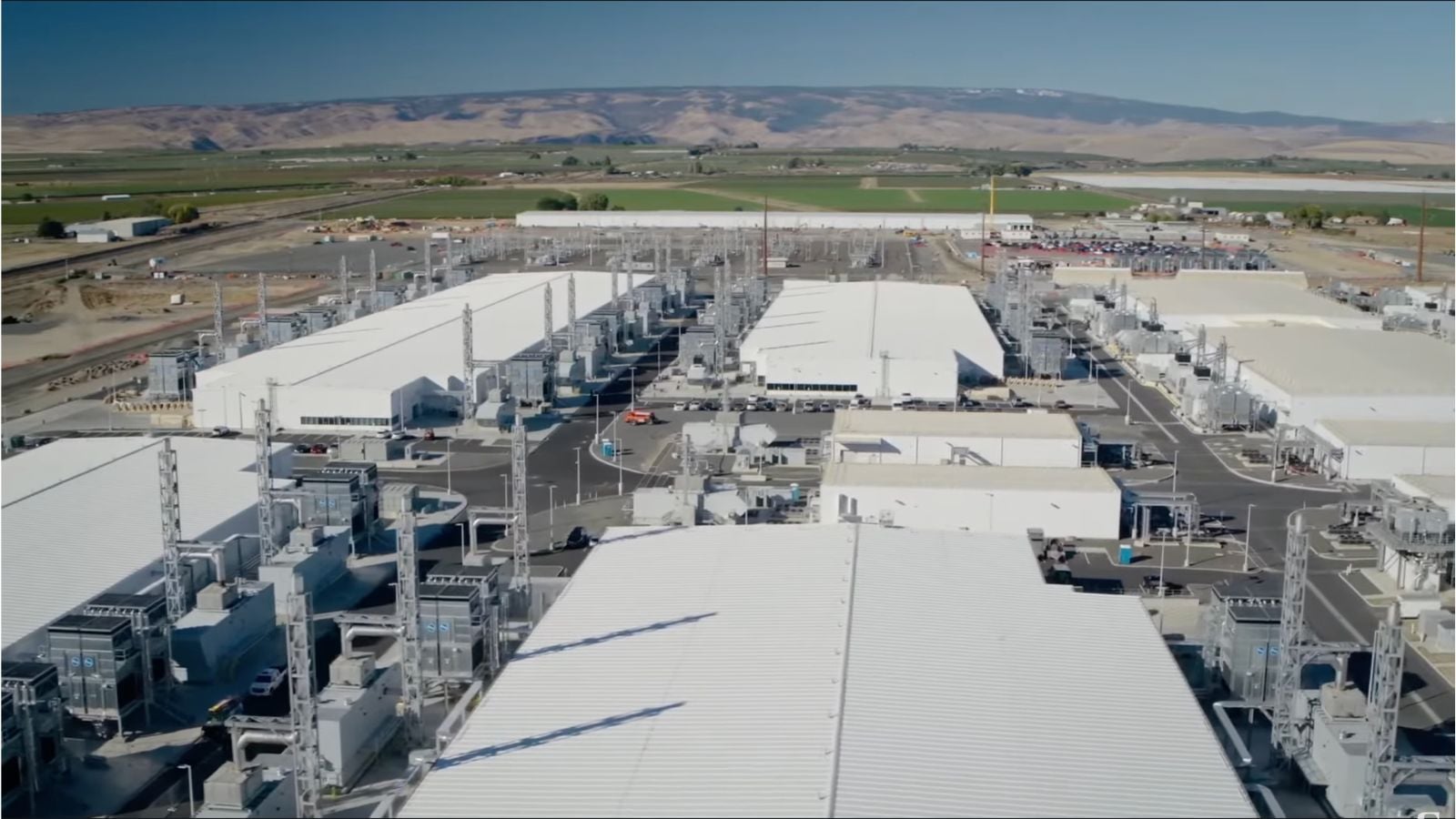
And the data centers being built to power that promise? After construction ends, even the largest ones employ fewer than 150 people. In Virginia, a Food and Water Watch analysis found that the investment required to create a single permanent data center job was nearly 100 times greater than what it takes to create a job in any other industry. The facilities don’t replace the workers they cost. They don’t even try.
The Water Their Neighbors Can’t Use
In Fayette County, Georgia, residents noticed their water pressure dropping. When the county investigated, they found a data center had drained nearly 30 million gallons, some through connections that weren’t even on the utility’s billing system.
The county’s message to residents during the shortage? Stop watering your lawns.
A single large data center can consume as much water as a town of 50,000 people. Most of it evaporates through cooling towers and never comes back. Across the country, these facilities are drinking through communities’ water supplies while the people who live there are told to conserve.
The Hum That Doesn’t Stop
This is what it sounds like living next to a data center. The video below was recorded at midnight, and the data center is situated next to 100s of residential homes. pic.twitter.com/BHGqt3vKfb
— Merissa Hansen (@merissahansen17) May 10, 2026
There is a video circulating right now of a data center at night. No narration. No commentary. Just the sound. A deep, industrial drone that carries for blocks. Sixty-seven percent of new data centers are being built in rural communities across the Midwest and South, on former farmland, in places that were quiet before the trucks showed up. In Southaven, Mississippi, residents say a new facility has been terrorizing their neighborhood since it opened. They didn’t ask for it. They can’t sleep through it. And they can’t make it stop.
Americans Who’ve Had Enough
So they’re fighting.
In the first four months of 2026, communities rejected or restricted 79 data center projects. That’s more than in all of 2025 combined. In Wisconsin, residents blocked one by ballot measure. In Missouri, voters threw out the council members who approved one. In Indianapolis, a councilor who backed a data center had shots fired through his window. In New Jersey, a town hall got so heated that police had to physically remove a speaker from the room.
Senator Bernie Sanders and Representative Alexandria Ocasio-Cortez have introduced a federal moratorium bill. Fourteen states are considering bans or pauses. A Pew Research Center survey found that Americans are far more likely to say data centers are bad for the environment, bad for energy costs, and bad for the quality of life of anyone who lives near one than to say they do any good.
Robert Bryce, an energy reporter who has covered land-use fights for 16 years, said he has never seen anything like this in close to 40 years of journalism. Something new is happening.
What It’s All For
A grandmother in Georgia can’t water her garden because a data center drained 30 million gallons from her county’s supply. A family in Mississippi hasn’t slept through the night since the facility behind their house switched on. A 22-year-old in Orlando walked across a stage last Friday into a job market where the companies that should be hiring her are betting billions they’ll never have to.
More than 700 data centers are under construction right now. Tech companies are on pace to spend $1 trillion a year by 2027. Communities across the country are ousting politicians, blocking projects by ballot measure, and showing up to town halls so packed that police have to remove people from the room.
And all of it. Every gallon, every acre, every sleepless night, every job that vanished. All of it powers a technology that autocompletes your sentences.
The graduates at UCF didn’t need a speech to understand what was happening. They just booed.