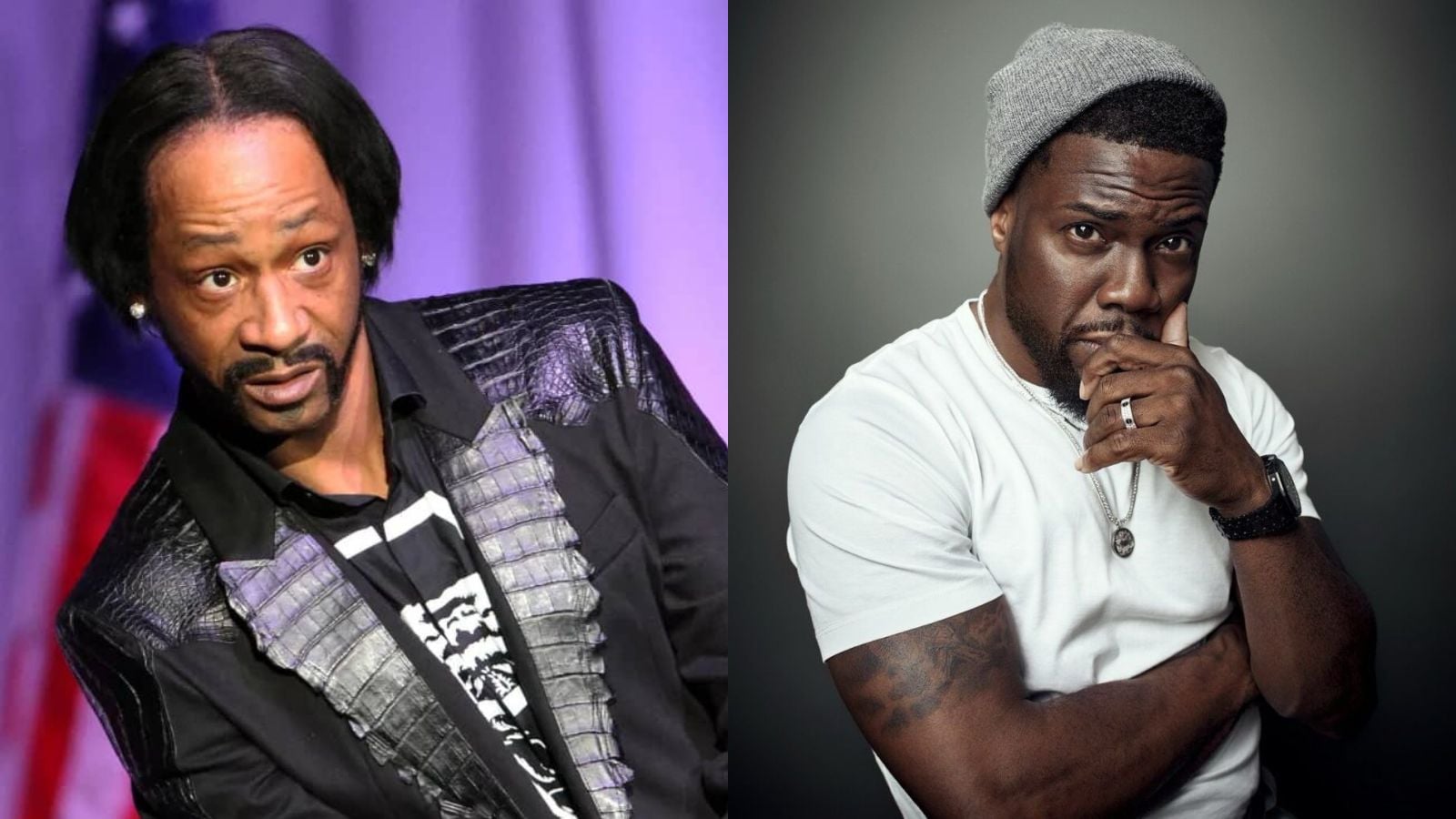
What started as another brutal celebrity roast unexpectedly turned into one of the biggest reconciliation moments in comedy.
During Netflix’s live roast of Kevin Hart, longtime rival Katt Williams made a surprise appearance and publicly ended a feud that had dragged on for years across interviews, podcasts, stand-up routines, and social media.
The moment instantly became one of the most talked-about parts of the event.
For years, tension between the two comedians symbolized a larger divide within comedy itself. Hart represented mainstream commercial success, blockbuster films, and corporate partnerships. Williams positioned himself as the outspoken outsider who believed the industry favored marketability over raw talent.
So when Williams suddenly walked onto the stage at Netflix’s roast event inside Los Angeles’ Kia Forum, many expected another escalation. Instead, viewers got something far more complicated.
Katt Williams Turned the Roast Into a Public Reckoning
Williams wasted little time firing shots at Hart. He mocked Hart’s celebrity status, joked about Hollywood controlling him, and revived old accusations that Hart had taken movie opportunities that Williams believed were meant for him.
But beneath the jokes was something else: acknowledgment. The appearance itself already signaled that the hostility between both men had cooled enough for them to share a stage together publicly. That mattered.
For years, their feud had become bigger than isolated disagreements. Fans often treated it like a cultural battle between authenticity and mainstream success. Williams built a reputation as someone willing to criticize Hollywood openly, while Hart evolved into one of the most commercially successful comedians on the planet.
The roast gave both men a rare opportunity to directly confront that history in front of millions.
Katt Williams did not hold back on Kevin Hart 😭
“Just because Kevin went to Diddy parties does not mean he did something wrong, the fact he gets all quiet when you bring it up, that means he did something wrong” pic.twitter.com/25XHPWVQzo
— FearBuck (@FearedBuck) May 11, 2026
Kevin Hart Chose Reconciliation Instead of Retaliation
The biggest surprise of the night was not the jokes. It was Hart’s response. Rather than escalating the tension, Hart publicly embraced Williams and called for both comedians to move forward. He admitted that despite years of conflict, he still respected Williams as a performer and fan of comedy.
That shift changed the entire tone of the exchange. Instead of becoming another viral celebrity confrontation, the roast transformed into a public closing chapter for one of comedy’s most discussed rivalries.
Hart still joked back during his own set later in the night, mocking Williams’ repeated claims that he turned down films Hart eventually starred in. But the tone felt noticeably different from previous years. The insults sounded more like comedy again rather than personal bitterness.
The Reunion Says a Lot About the Current State of Comedy
The timing of the reconciliation also matters. Comedy has become increasingly fragmented in recent years, with stand-up comedians frequently divided by politics, platform wars, podcast culture, censorship debates, and industry favoritism.
Hart and Williams often ended up representing opposite sides of those conversations. Williams built support among audiences who believe Hollywood suppresses outspoken voices. Hart became the face of polished mainstream entertainment success.
Seeing both men publicly move on from the feud felt significant to many fans because it cut against the constant culture of escalation that dominates online entertainment. Instead of another endless cycle of interviews and diss tracks, both comedians appeared ready to let the rivalry go.
Netflix Turned the Feud Into an Event
The platform itself also understood exactly what it was doing. By bringing Williams into the roast unexpectedly, Netflix transformed the special from a standard celebrity roast into a major pop culture moment.
The tension between Hart and Williams added unpredictability that modern live entertainment rarely achieves anymore. Audiences were no longer just watching comedians tell jokes. They were watching years of public hostility unfold — and unexpectedly dissolve — in real time.
That emotional unpredictability is part of why the moment spread so quickly online afterward.
The Bigger Story Was Not the Insults — It Was the Handshake
Celebrity feuds are common but actual public resolutions are rare. Most rivalries today are stretched out endlessly because conflict drives engagement, clicks, and algorithmic attention. The Hart-Williams feud had every reason to continue for years.
Instead, both comedians chose something different. The handshake and embrace at the end of the segment carried more weight than any individual joke exchanged during the night.
For Hart, it reinforced his position as someone comfortable enough in his success to let go of old grudges. And for Williams, it showed a willingness to step back into the mainstream spotlight without abandoning the rebellious persona that built his fan base.
And for comedy fans, it marked the end of one of the genre’s longest-running modern rivalries.