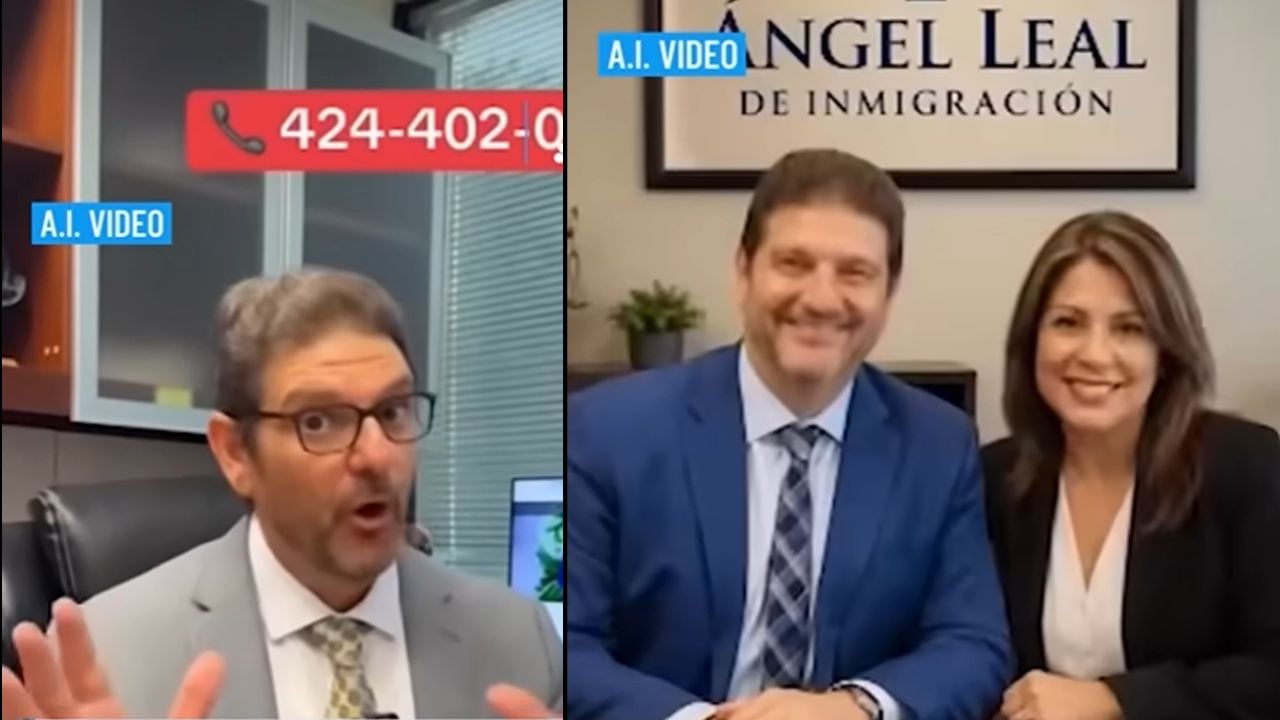
A South Florida immigration lawyer says scammers copied his face, voice, and name with artificial intelligence, then used fake videos to make desperate families believe they were paying a real attorney.
Attorney Ángel Leal Jr. told NBC Miami that the fake videos pushed people from social media into private WhatsApp conversations. From there, he said, they were asked to pay through apps such as Zelle and Venmo.
The targets were people looking for immigration help. NBC Miami reported that some fake videos used urgency around detained relatives, while others promoted immigration benefits for low amounts.
Leal warned that the damage can go far beyond a stolen payment. Some victims may believe real paperwork has been filed when nothing has reached the government or an immigration court.
The Fake Videos Sent People to WhatsApp
NBC Miami reported that people behind the scam created fake videos using Leal’s image, voice, and name to convince immigrants to pay for supposed legal services.
“They hook you with the fake video,” Leal told NBC Miami. “You watch it, ask for more information, they send you to a WhatsApp number, and through that number they talk to the person and ask for money via Zelle, Venmo, or one of those platforms.”
Some clips allegedly promised help for people worried about detained relatives. Others included fake testimonials from supposed clients who claimed they obtained immigration benefits for low amounts, according to NBC Miami.
Leal also described videos that appeared to show people dressed like ICE agents or police officers. In one example he gave NBC Miami, the fake pitch promised a way for someone who had been deported to return for $1,500. Another claimed he could get a work permit for someone who had been in the country for a certain amount of time.
The Scam Went Beyond AI-Cloned Videos
Noticias Telemundo reported that the impersonation campaign also used fake contracts with Leal’s firm logo, fake signatures, cloned websites with small changes to the address, and fabricated immigration hearings.
In those fake hearings, victims believed they were being granted residency or citizenship, according to Telemundo.
“Todo es mentira,” Leal told the outlet.
The fake material carried law-office details victims could recognize: logos, signatures, websites, names, videos, and supposed immigration proceedings. Leal said the contact usually moved from social media to private messaging, then to WhatsApp and a payment request.
Thousands of Fake Profiles Were Taken Down
NBC Miami reported that Leal hired a company that specializes in fighting digital piracy. According to data from that company, 6,454 fake profiles linked to the scams had been taken down since March.
Leal told NBC Miami that he is cooperating with federal investigations and had reported the cases to local authorities.
Telemundo reported that the problem forced Leal to shut down both his firm’s institutional WhatsApp channel and his personal WhatsApp channel. He said any WhatsApp account contacting people while pretending to be him or his firm should be treated as fraud.
Victims May Think Real Paperwork Was Filed
Leal told NBC Miami that some victims can end up with deportation orders after believing their cases were in progress, even though no real paperwork had been filed.
A victim may lose the payment, miss a filing deadline, skip real legal help, or believe an official process has started when no lawyer has filed anything.
How Families Can Verify Immigration Help
The FTC says only an immigration attorney or a person authorized by the Department of Justice can give immigration legal advice in the United States.
The FTC also warns that immigration forms are free from USCIS and that people should not pay for immigration help with gift cards, money transfers, payment apps, or cryptocurrency.
The Florida Bar profile for Angel Fermin Leal Jr. lists him as a member in good standing and eligible to practice law in Florida, with a Doral office address.
Anyone contacted by a supposed immigration lawyer can verify the lawyer through the state bar, the lawyer’s real office number, or official DOJ-recognized legal-assistance lists before sending money or personal information.