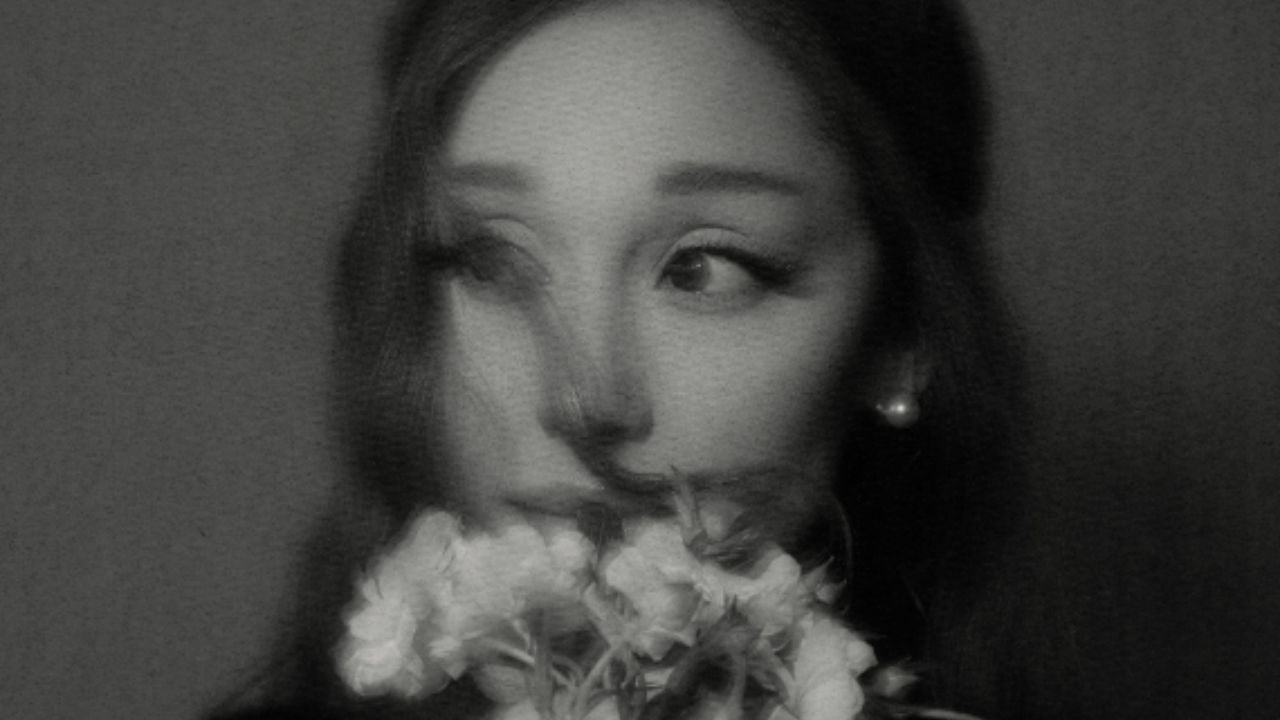
Ariana Grande has released her eighth studio album, Petal, revealing a darker and more guarded side of the pop star without relying on the towering vocal performances that defined many of her biggest hits.
The 12-track album, released July 31 through Grande’s BabyDoll Music imprint and Republic Records, blends muted pop, atmospheric R&B, electronic production and flashes of indie rock.
Grande has described the songwriting as coming from a place of “unfiltered rage,” but the anger rarely explodes into a conventional arena-sized chorus.
It arrives through whispered vocals, minor chords, blunt lyrics and carefully controlled production.
Grande Turns Her Darker Side Into Controlled Pop
View this post on Instagram
“I wrote from a place that I don’t usually, which was like an unfiltered rage that I think we all feel sometimes,” she said. “I usually am too shy to tap into that.”
She previously described the project as “a little feral,” but the finished album does not sound uncontrolled. Its frustration is cold, subdued and frequently hidden inside melodies that initially appear delicate.
Opening track “Kiss Me” introduces the album with heavy synthesizers and electronic drums before the lead single, “Hate That I Made You Love Me,” turns a complicated attachment into a metaphor flexible enough to describe romance, fame or Grande’s relationship with the public.
Fame Becomes the Album’s Most Difficult Relationship
ELLE’s review argues that Petal is less concerned with one romantic partner than with Grande’s existence as both a person and a public commodity. The songs repeatedly blur the line between addressing a lover and confronting fans, critics or the entertainment industry. That ambiguity allows “Hate That I Made You Love Me” to function as the album’s thesis statement rather than a straightforward breakup song.
On “Petal,” Grande recognizes her success and privilege while questioning the personal cost of continually turning difficult experiences into material. “Like I Do” becomes more openly confrontational, presenting public attention as something that can nourish and consume an artist at the same time.
Grande Pulls Back on Her Powerhouse Vocals
The Associated Press described the album as Grande at her most controlled, with much of the record built around soft delivery, layered harmonies and atmospheric production from Grande, Ilya Salmanzadeh and Max Martin.
“Freak” surrounds her with hazy vocal overdubs and a dreamlike R&B arrangement without building toward the kind of climactic run traditionally associated with her music. “Big Feelings” is similarly understated despite its title, using a subdued jazz-influenced arrangement instead of a dramatic vocal showcase.
The Album Becomes More Forceful Near the End
The album’s final stretch allows more of Grande’s familiar confidence to return. “Like I Do” adds heavier bass and a sharper performance, while “Never Get Over Me” combines distorted guitar with slow-moving funk.
“Bad Thing (Bunny Hop)” represents the album’s clearest stylistic departure. Dream-pop guitars and an indie-rock pulse give the song a more immediate sense of movement than much of the record’s restrained first half.
Pitchfork identified the album’s strongest moments as the songs that take Grande into less familiar territory, highlighting the speed-garage shuffle of “Oh Well,” the guitar-driven “Bad Thing (Bunny Hop)” and the more emotionally direct “Stay.”
“Stay” also contains one of Grande’s fullest vocal performances on the album, pairing romantic hope with uncertainty about whether a relationship can finally offer safety.
Critics Disagree Over Whether the Restraint Works
The first reviews generally agree that Petal represents a darker and more introspective period for Grande, but they differ over whether its quieter approach delivers enough urgency.
ELLE described it as possibly her most introspective album and suggested it felt like a record Grande needed to write. Its editors praised the way she uses romantic language to address the scrutiny surrounding her career and private life. Vogue called it one of her strongest albums, praising its movement between electronic pop, R&B, jazz and indie-rock textures.
Pitchfork found the album intimate and experimental but argued that Grande sometimes remains hidden behind vague metaphors and familiar ideas. The review favored the moments when she speaks more directly or explores production outside her established sound.
The Associated Press gave the record three stars out of five, praising its cooler textures and the freedom of hearing one of pop’s most elastic vocalists deliberately rein herself in.
The Closing Tracks Leave Grande Looking Inward
View this post on Instagram
After the more dynamic “Bad Thing (Bunny Hop),” closing track “Nowhere, Nobody” returns the album to introspection through retro melodies, vocoder effects and Grande’s layered harmonies. The Associated Press selected “Bad Thing (Bunny Hop)” as the album’s track to repeat, while naming the quieter “Freak” as the song to skip.