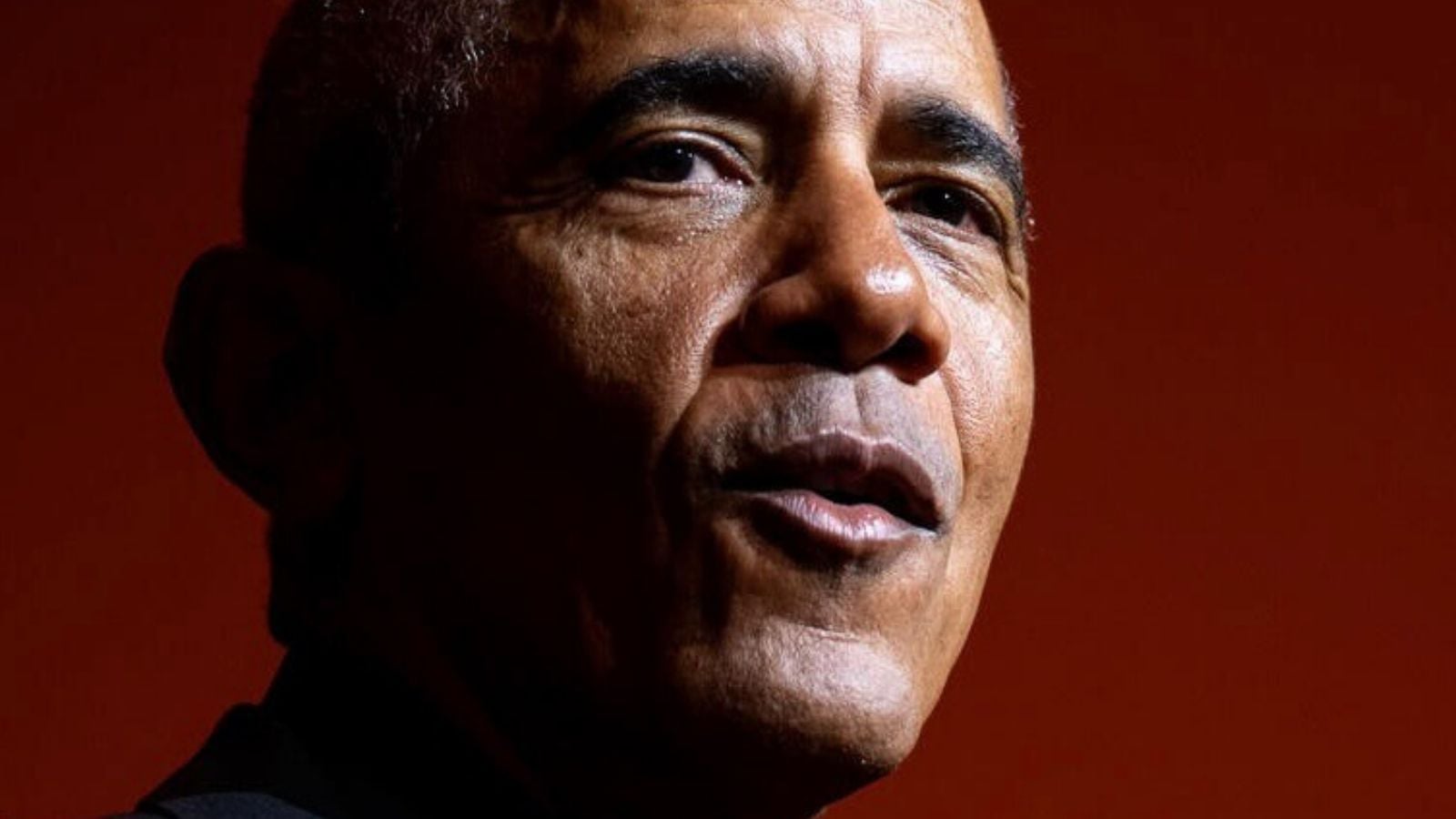
Sixteen years after he signed the Affordable Care Act into law on March 23, 2010, Barack Obama took to social media to call the moment one of his proudest as president.
He shared memories of the day the bill passed and described the law as a first step toward fixing health care for millions of Americans. Obama pointed out that the ACA changed lives by giving people access to insurance they never had before.
He reminded followers that the law stopped insurance companies from denying coverage based on pre-existing conditions and let young adults stay on their parents’ plans until age 26.
For Obama, this anniversary was not just a date on the calendar. It was proof that big changes can happen even when the fight gets tough. Let’s break down the details.
The Successes He Keeps Highlighting
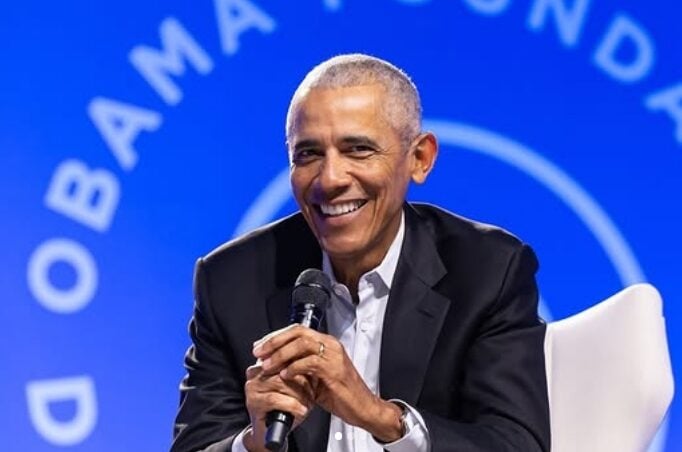
Obama focused on the real world gains. He noted that nearly 50 million people have gained quality affordable coverage through the ACA marketplaces.
That means one in seven Americans now relies on these plans. The uninsured rate dropped sharply after the law took effect. Millions who once faced sky high costs or outright rejection from insurers finally got help.
Obama also praised the expansion of Medicaid in many states which brought coverage to low income families who had slipped through the cracks for years.
He called the ACA a starter house for health care reform. It was never meant to solve every problem but it gave millions peace of mind and protection they lacked before.
Supporters including Democratic lawmakers echoed his words across Instagram and Facebook calling the law a lifeline that expanded coverage to over 40 million people and protected those with health issues.
The Backlash Hits Hard Online
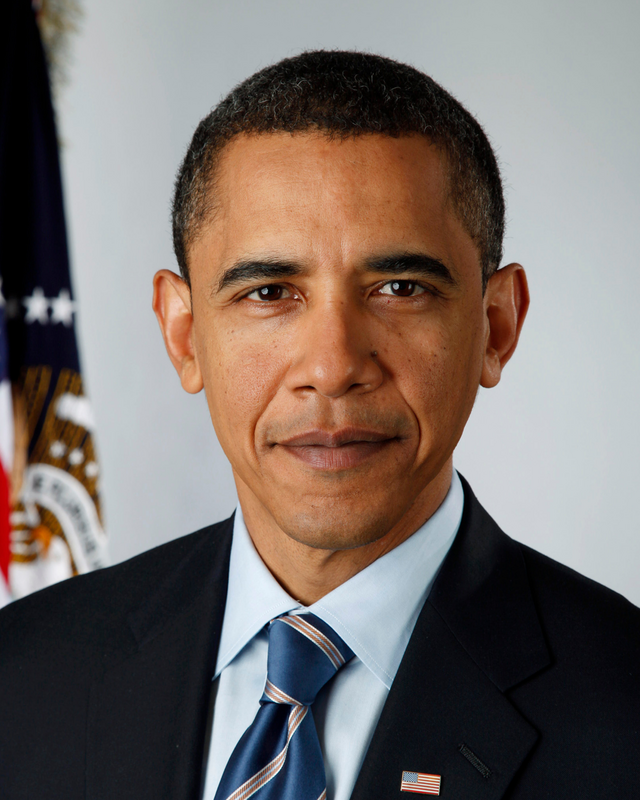
Not everyone is cheering. A wave of critics fired back the minute Obama posted. Many pointed to the broken promise that if you like your health plan you can keep it.
Millions of existing policies got canceled or changed to meet the new rules. People on social media shared stories of premiums that doubled or tripled after the enhanced subsidies ended at the close of 2025.
One KFF follow-up survey from early 2026 found that 80 percent of returning marketplace enrollees say their costs are higher this year. Half called the jump a lot higher.
Some families reported cutting back on groceries or dropping coverage altogether because the monthly bill became too much.
I had an amazing employer-provided PPO that cost me next to nothing. You stole it.
You stole my doctor.
My brother just died of cancer. He had no health insurance because he could not afford your premiums. It was cheaper to take the tax hit.
You are a disgusting, fetid liar…
— Cynical Publius (@CynicalPublius) March 24, 2026
Conservative voices and everyday users labeled the law a failure that drove up overall spending without fixing the root problems. They argued it created mandates and taxes that made insurance less affordable for middle class families who do not qualify for big subsidies.
Posts on Facebook and elsewhere called it a disaster that disrupted coverage and left tens of millions still uninsured in states that never expanded Medicaid.
Where the Law Stands in 2026
The numbers paint a split picture. A January 2026 KFF poll showed 58 percent of Americans view the ACA favorably while 41 percent see it unfavorably.
That is better than the early years but still deeply divided along party lines. Democrats love it. Most independents lean positive. Republicans largely do not.
At the same time, fresh data shows real strain. Average premium payments for subsidized enrollees more than doubled in 2026 after the extra tax credits expired. Enrollment in marketplace plans dropped by hundreds of thousands compared with last year.
Obamacare has single handedly increased the rates for health insurance by over a thousand percent since it was signed into law. One of the most disastrous laws ever signed into existence in the United States.
Congratulations Democrats!
— Walter Curt (@wcdispatch) March 23, 2026
Critics say the law shifted costs rather than lowered them and failed to deliver the $2500 savings per family that Obama once pledged.
Supporters counter that the protections for pre-existing conditions and the coverage gains outweigh the price hikes and that more work is needed to bring costs down further.
What do you think?