A Florida woman lost $15,825 in what the Volusia County Sheriff’s Office has described as a jury-duty impersonation scam, in which callers pose as law enforcement, threaten arrest and direct victims to send money through Bitcoin ATMs.
Volusia County detectives later traced one of the victim’s cryptocurrency deposits, worth approximately $4,209 when it was made, through multiple wallets to a Cash App account investigators identified as belonging to Annie Lee Ashley, 61, of East Dublin, Georgia.
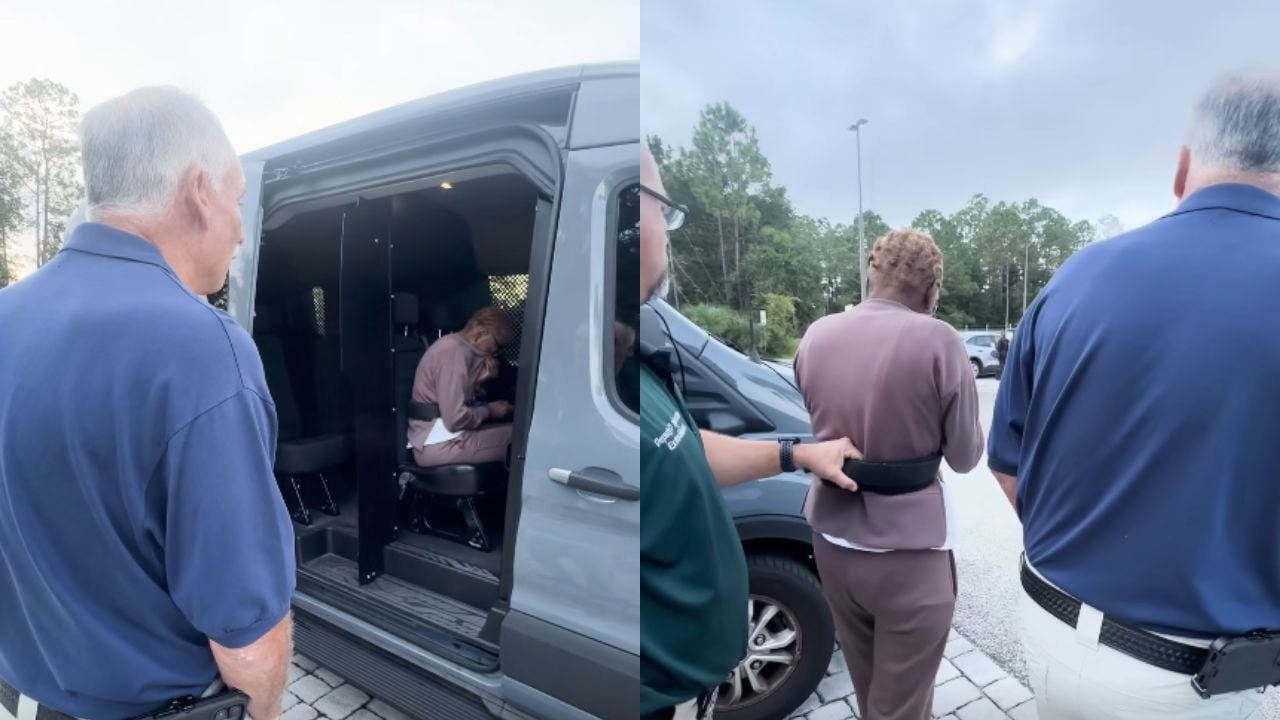
Ashley was extradited from Georgia and booked in Volusia County on Sept. 25 on a grand-theft charge. Volusia County court records show she was released later that day on a $15,000 surety bond. Her attorney subsequently entered a written plea of not guilty.
The case is part of a broader Volusia County Sheriff’s Office investigation into law-enforcement impersonation scams that investigators say have been operated from Georgia prisons with help from people outside the facilities who receive or move the proceeds.
Two Bitcoin ATM Deposits Started the Trail
A Volusia County Sheriff’s Office charging affidavit says the woman reported the fraud Aug. 7 and provided investigators with 17 digital images containing text messages, a transaction QR code, two Bitcoin ATM receipts and a timestamp from the original call.
The affidavit says the two cryptocurrency deposits were approximately 0.0655 Bitcoin, valued at about $4,209 at the time, and 0.1063 Bitcoin, valued at roughly $6,832. Both were made Aug. 7.
Those figures are lower than the victim’s total $15,825 loss. The detective noted that Bitcoin ATM operators charged transaction fees, meaning the amount of cryptocurrency deposited did not equal the amount of cash the victim paid.
Investigators followed the first deposit as it was combined with another cryptocurrency transaction and moved through additional digital wallets. The money eventually reached a wallet identified as belonging to Cash App.
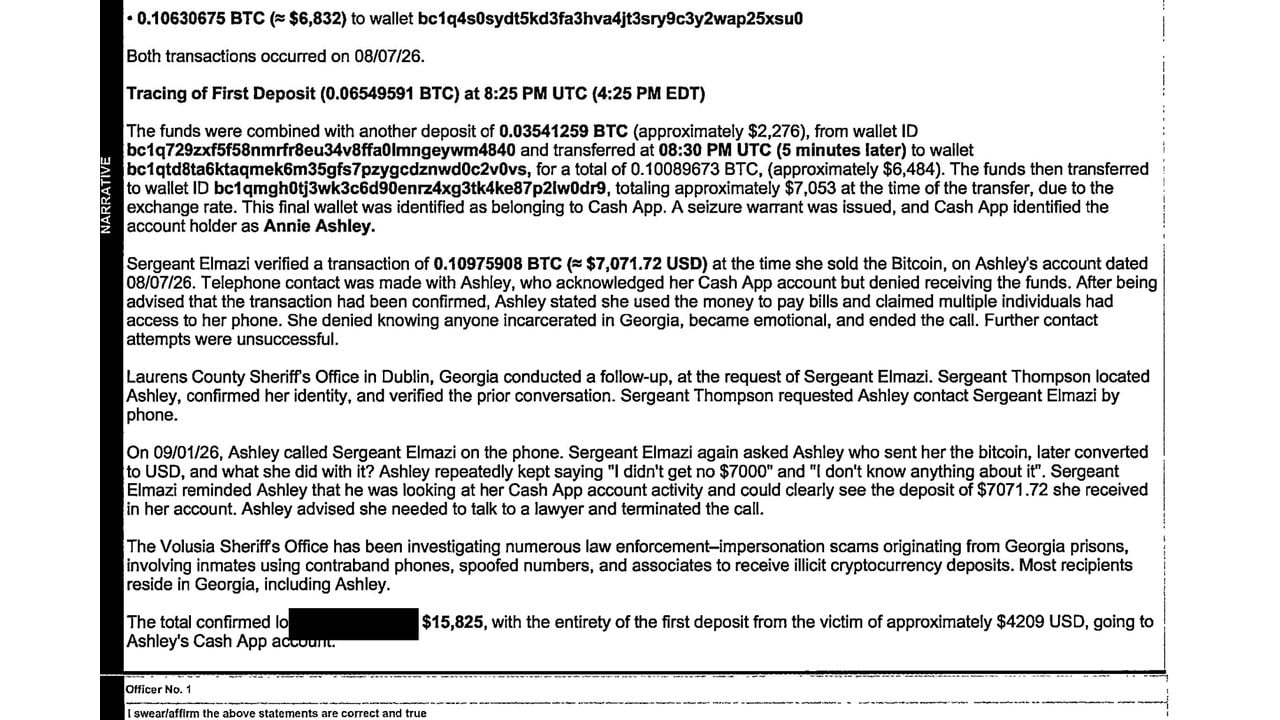
A seizure warrant was obtained, and the affidavit says Cash App identified Ashley as the account holder. Investigators wrote that the entire first deposit from the victim, worth approximately $4,209 when originally made, ultimately went to Ashley’s Cash App account.
The detective separately verified a transaction involving approximately 0.1098 Bitcoin that was sold through Ashley’s account on Aug. 7. The cryptocurrency was worth about $7,071.72 at the time it was sold.
When contacted by phone, Ashley acknowledged that the Cash App account belonged to her but denied receiving the money, according to the affidavit. Investigators said she claimed that multiple people had access to her phone and denied knowing anyone incarcerated in Georgia.
A Laurens County sheriff’s investigator later confirmed Ashley’s identity during a follow-up in Georgia. When Ashley spoke with the Volusia detective again Sept. 1, the affidavit says she continued to deny receiving approximately $7,000 and ultimately said she needed to speak with an attorney.
The Current Charge Covers a Smaller Theft Tier Than the Victim’s Total Loss
The charging paperwork contains two different descriptions of the theft tier as the case developed.
The initial non-arrest affidavit filed Sept. 16 described the allegation as grand theft involving property valued at $5,000 or more but less than $10,000. By the time Ashley was extradited and appeared before a Volusia County judge Sept. 25, the arrest paperwork and first-appearance order listed grand theft involving $750 or more but less than $5,000.
The current clerk record lists one grand-theft count under Florida Statute 812.014(2)(c). The charging affidavit separately states that the victim’s total confirmed loss was $15,825 and that approximately $4,209 from her first Bitcoin deposit went to Ashley’s Cash App account.
The first-appearance judge found probable cause and set Ashley’s bond at $15,000.
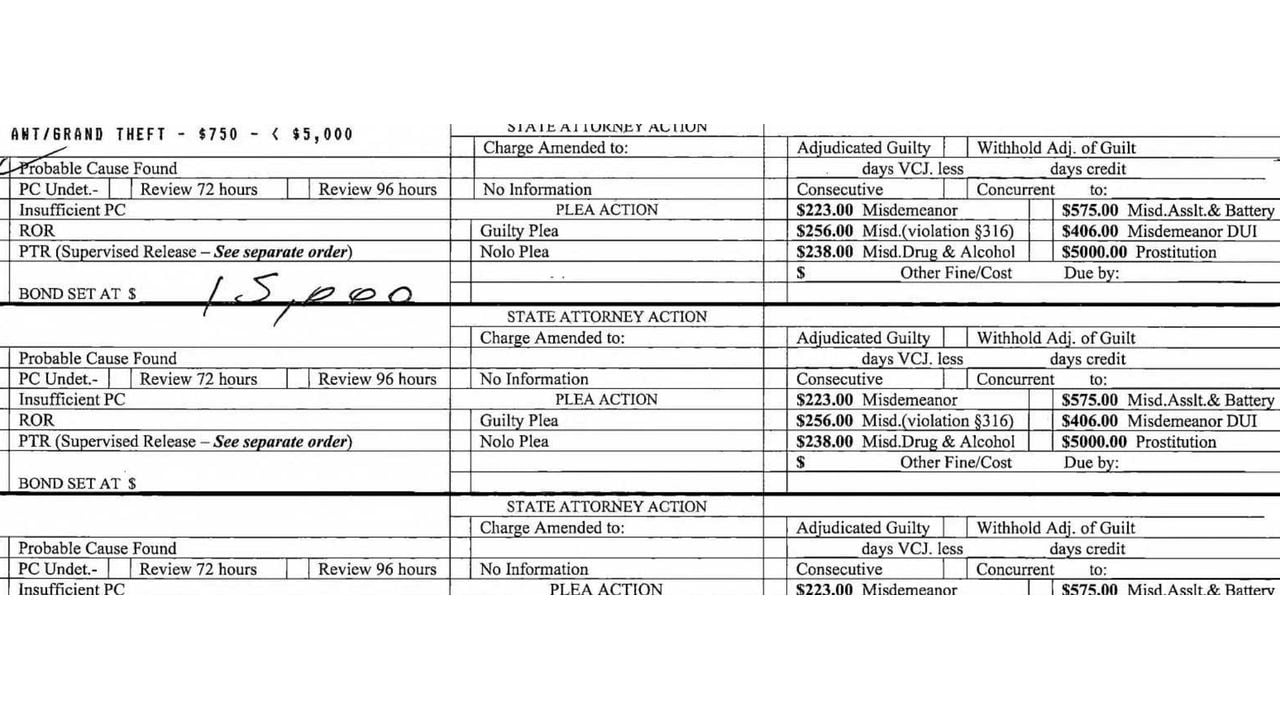
The Volusia clerk’s custody record shows Ashley was booked Sept. 25 and released on a surety bond at 5:50 p.m. that same day.
On Sept. 26, attorney Patrick McGeehan entered an appearance for Ashley, waived arraignment on her behalf and filed a written plea of not guilty along with a demand for discovery.
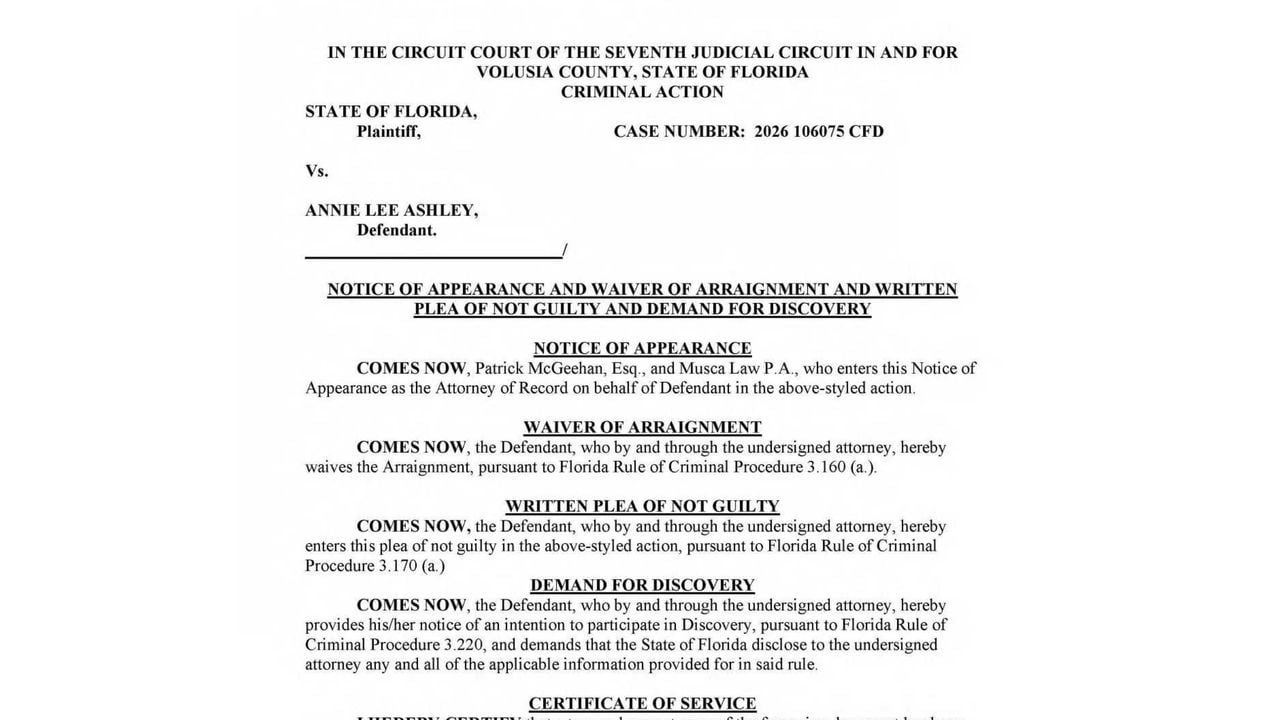
The clerk’s calendar still listed an Oct. 15 arraignment before Judge Karen Foxman when the case was reviewed Sept. 29.
Investigators Say the Broader Scam Operation Reaches Into Georgia Prisons
The Ashley affidavit places the case within a larger investigation by the Volusia County Sheriff’s Office into people impersonating law-enforcement officers and demanding cryptocurrency payments.
Investigators wrote that they had been examining numerous impersonation scams originating from Georgia prisons. According to the affidavit, inmates use contraband cellphones and spoofed phone numbers while associates outside the prisons receive illicit cryptocurrency deposits. The detective wrote that many of the recipients identified in those investigations lived in Georgia, including Ashley.
Volusia County Sheriff Mike Chitwood publicly identified Wheeler Correctional Institution and Calhoun State Prison as two facilities connected to the broader investigation, according to CBS News Atlanta.
Chitwood said callers pose as law-enforcement officers and tell targets that they have missed jury duty or committed another violation. Victims are threatened with arrest and directed to make immediate payments, often through Bitcoin ATMs.
In Ashley’s case, Chitwood said the remainder of the victim’s money was distributed among three other people who were also expected to face charges. He said investigators recovered approximately $12,000 during the investigation.
FBI Data Shows Government-Impersonation Scams Are Producing Major Losses
A Sept. 17 FBI warning said the Internet Crime Complaint Center received nearly 61,000 complaints involving law-enforcement or government impersonation between January 2025 and July 2026. Reported losses exceeded $1.6 billion.
The FBI says scammers frequently use urgent threats, impersonate real officials and spoof authentic government phone numbers. Payment demands may involve cryptocurrency, cash deposited into cryptocurrency kiosks, prepaid cards, bank wires or couriers.
Law-enforcement and government agencies do not call or text members of the public and demand payment to avoid arrest, the FBI says. The bureau advises people to independently locate an agency’s official contact information rather than calling a number supplied by the person making the threat.
Jury-Duty Threats Are a Known Impersonation Scam
The Federal Trade Commission issued a warning in June specifically about callers claiming that someone missed jury duty and must pay to avoid arrest.
The FTC says scammers may know a target’s name or address, impersonate actual officers, spoof a police department’s phone number and send official-looking documents. Courts do not demand payment for missed jury duty over the phone, and legitimate law enforcement does not require cryptocurrency, gift cards, payment apps or wire transfers to make an arrest threat disappear.
The FBI similarly advises people who receive such calls to hang up and independently verify any claim with the court or law-enforcement agency involved.
For victims who have already paid, the FBI recommends ending contact with the scammers, notifying financial institutions, reporting the incident to local law enforcement and filing a complaint with IC3. Cryptocurrency wallet addresses, payment details and communications with the scammers can help investigators trace the movement of funds.