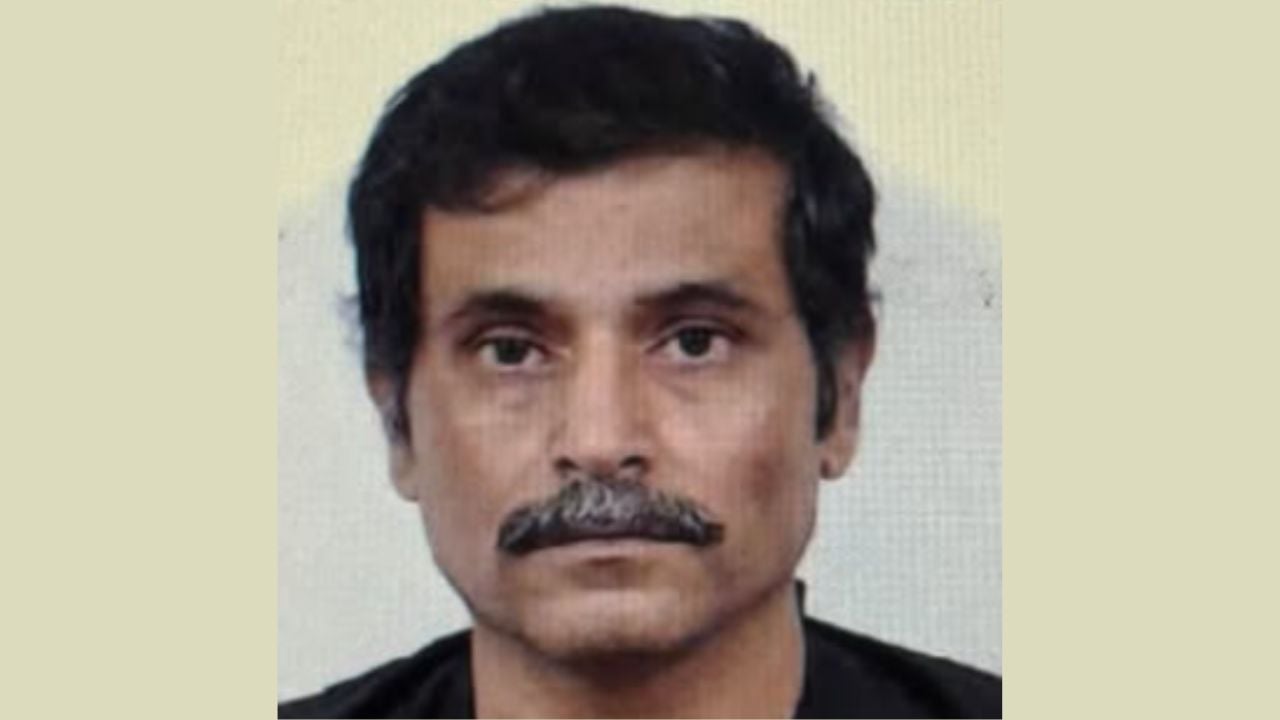
An elderly resident in Clarksville, Indiana, was told by a caller posing as a government representative to withdraw money. Police say the planned handoff ended differently: a man from the Chicago area arrived expecting to collect the funds, and law enforcement was waiting.
WDRB, citing the Clarksville Police Department, reported that investigators learned about the scheme in early September and worked with the FBI to intervene before the resident handed over the money. Police identified the man who traveled to Clarksville as Yogesh Patel.
Investigators also said Patel is connected to a broader operation spanning at least eight other states and linked to more than $8 million in reported fraudulent activity. That figure describes the wider operation cited by police, not a loss attributed to the Clarksville resident.
Indiana court records now show Patel has been charged with Level 4 felony fraud and Level 6 felony impersonation of a public servant. The case was filed Sept. 15 in Clark Circuit Court 4 and remains pending.
The Planned Pickup Was Stopped Before Money Changed Hands
Clarksville police said the scheme began with a phone call to an older resident. The caller allegedly presented himself as a government representative and directed the resident to withdraw money.
Detectives worked with the FBI after learning about the situation. According to the police account reported by WDRB, investigators were able to intervene before the planned exchange took place.
Police said Patel traveled from the greater Chicago area to Clarksville expecting to collect the money. Instead, officers intercepted him and arrested him without incident. Members of the Southeast Regional SWAT Team were among the law enforcement personnel involved.
Court Records Show Two Felony Counts and a $100,000 Cash-Only Bond
The Indiana MyCase court summary identifies the case as State of Indiana v. Yogesh Patel, case number 10C04-2609-F4-000083, in Clark Circuit Court 4. The docket lists both charged offenses with a Sept. 2 offense date and shows the criminal case was filed Sept. 15.
The first count is Level 4 felony fraud. MyCase lists Indiana Code 35-43-5-4(a)(1) and describes the allegation as involving a fraud loss greater than $100,000. Clarksville police separately said the local handoff was stopped before money was exchanged.
The second count is Level 6 felony impersonation of a public servant. MyCase lists Indiana Code 35-44.1-2-6 and describes the allegation as posing as a law enforcement officer. The police account reported by WDRB describes the initial caller as posing as a government representative and identifies Patel as the person who traveled to Clarksville for the planned collection.
At Patel’s Sept. 15 initial hearing, the court entered a preliminary plea of not guilty and set bond at $100,000 cash only. A public defender was appointed. The docket currently lists a pretrial conference for Oct. 14, an attorney conference for Nov. 18, a final pretrial conference for Jan. 25, 2027, and a jury trial scheduled for Feb. 16, 2027.
Government Impersonation Scams Can End With an In-Person Pickup
The pickup described by Clarksville police fits a mechanism the FBI has warned about in scams targeting older adults. Criminals may pose as government or financial officials, direct a target to liquidate money and then arrange for another person to collect cash or other valuables.
In guidance about government impersonation schemes, the FBI warns people not to meet unknown individuals to deliver cash or precious metals. The bureau also says U.S. government agencies will not instruct people to wire money, transfer cryptocurrency, send precious metals or buy gift cards to resolve an alleged problem with their finances or devices.
Someone receiving an unexpected government call involving money can end the conversation and contact the agency independently using a verified phone number rather than a number supplied by the caller. The FBI also advises people who believe they have been targeted to contact law enforcement and submit a report through IC3.