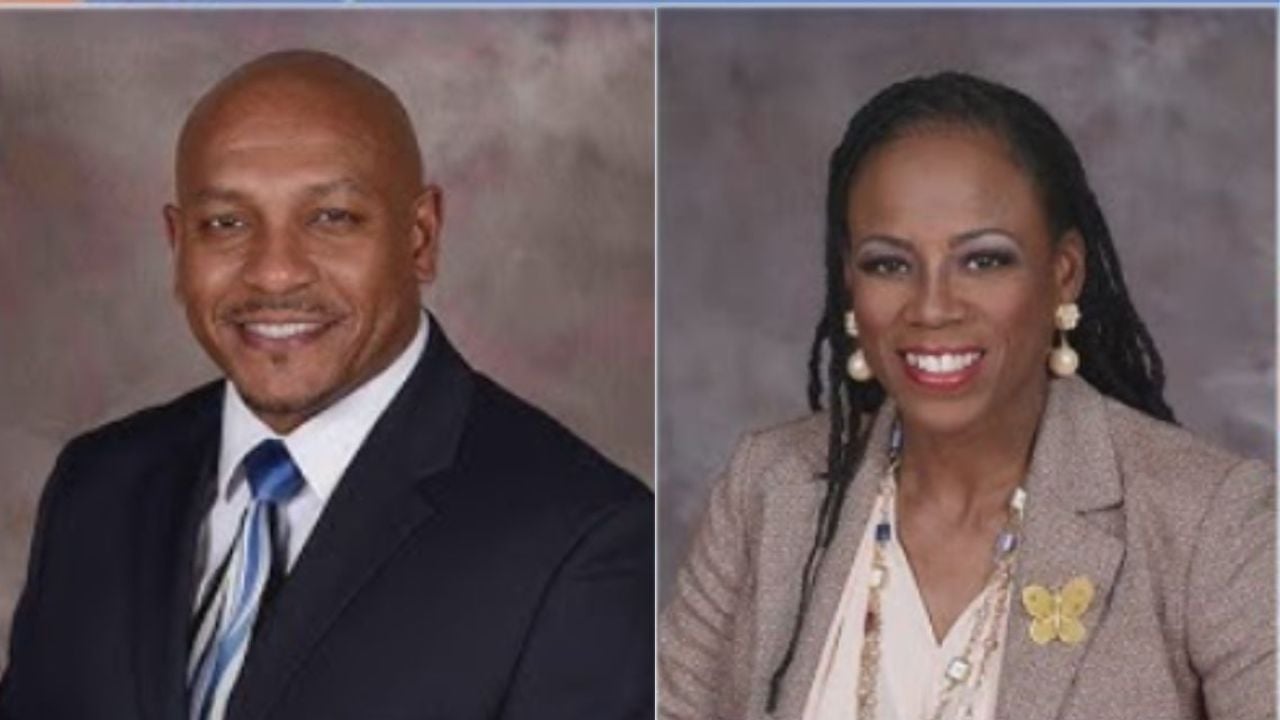
Illinois State Rep. Carol Ammons and her husband, Champaign County Clerk Aaron Ammons, have been indicted on federal charges tied to an alleged campaign-fund, state-grant, and obstruction scheme.
The indictment, filed July 7 in the Central District of Illinois, lists wire fraud, false-statement, conspiracy-to-obstruct, and obstruction counts.
Federal Prosecutors also accuse Aaron Ammons of trying to interfere with the investigation by misleading a potential witness and directing that person to “muddy the waters” with the FBI.
Carol Ammons and Aaron Ammons have not been convicted, and prosecutors will have to prove the case in federal court.
Prosecutors Say Campaign Money Was Converted for Personal Use
Carol Ammons has served as an Illinois state representative since about 2015 and organized the Friends of Carol Ammons political committee around 2013, according to the indictment.
Federal prosecutors allege that from about 2017 through June 15, 2025, she devised a scheme to defraud the State of Illinois, taxpayers, and donors to her campaign.
The indictment says one purpose of the alleged scheme was to convert campaign contributions and donations to her personal use while concealing that activity from the Illinois State Board of Elections and law enforcement.
The Indictment Points to Payments to Family Members
Prosecutors allege Ammons caused campaign funds to be paid to herself and family members for payments that were not legitimate compensation for services actually provided to the political committee.
One allegation involves payments to her daughter from the Friends of Carol Ammons campaign fund. The indictment says those payments were about $600 per month and totaled approximately $15,585.
Prosecutors allege the payments were not in proportion with services actually rendered.
The indictment also alleges D-2 campaign disclosure forms filed with the Illinois State Board of Elections misstated the nature, purpose, and amount of certain expenditures, omitted some payments, and falsely classified other payments.
State Grants Are a Central Part of the Case
The grant-related allegations begin with Hood Vote Neighborhood Transformation, an organization focused on reentry and corrections reform.
For state fiscal year 2020, prosecutors allege Ammons caused a state grant appropriation to be changed from Urbana Neighborhood Connections Center to Hood Vote. The total state grant to Hood Vote was approximately $605,431.
Ammons’ daughter was associated with Hood Vote and eventually served as its program director. The indictment says she was paid about $3,326 in salary from that state grant before the State of Illinois informed Ammons and Hood Vote that the payment created an impermissible conflict of interest.
After that, prosecutors allege Hood Vote stopped paying Ammons’ daughter a salary.
Another Grant Allegedly Led to Larger Payments
After the Hood Vote payments stopped, prosecutors say Ammons assisted Bridgewater Sullivan Community Life Center in obtaining state grants totaling approximately $612,000 for state fiscal year 2021.
The indictment alleges Ammons recommended people for employment with Bridgewater and helped draft her daughter’s employment contract with the organization.
Between August 2021 and May 2023, Ammons’ daughter was paid more than $60,000 as a Bridgewater program director from the state grant, according to prosecutors.
Prosecutors Also Allege Cash Kickbacks
The indictment says some payments were allegedly routed in ways that led money back to Carol Ammons in cash.
Prosecutors allege that between January 2019 and November 2020, campaign disclosure forms failed to disclose more than $25,000 in payments to individuals, with part of that money allegedly paid back to Ammons in cash.
The indictment also says that between March 2021 and August 2022, D-2 forms falsely claimed more than $15,000 had been paid to a consulting firm when the money was actually paid to an individual who returned a portion to Ammons in cash.
Prosecutors also cited alleged text messages connected to cash payments from the Bridgewater grant. The messages referenced a “gift,” according to the indictment.
Aaron Ammons Is Accused of Interfering With the FBI Inquiry
The indictment separately names Aaron Ammons in obstruction-related counts. Prosecutors allege that in February 2025, Aaron Ammons told a potential witness there was “nothing illegal” about friends giving friends money in connection with alleged cash kickbacks from the Friends of Carol Ammons political committee.
The indictment says he communicated with that witness on a paper note and destroyed the note after showing it to the witness.
Prosecutors also allege that in April 2025, with Carol Ammons present, Aaron Ammons advised the witness to use code words about the ongoing federal investigation.
In June 2025, prosecutors say Aaron Ammons asked the same witness about illegal cash payments given to Carol Ammons before directing the witness to “muddy the waters” with the FBI.
The Speaker Removed Ammons From House Democratic Work
Illinois House Speaker Emanuel “Chris” Welch called the allegations “extremely serious,” according to IPM News.
Welch said every person under the justice system is entitled to the presumption of innocence and due process.
He also said he was temporarily removing Carol Ammons from House Democratic Caucus meetings, all House committees, and access to Speaker’s Office staff and resources while the case is pending.
Welch also directed staff to review the budget to determine whether any funds should be paused or reconsidered.
Campaign and Grant Records Leave a Public Paper Trail
Donors, voters, watchdog groups, and reporters can review state campaign disclosure reports, grant awards, nonprofit filings, payment descriptions, board records, invoices, employment contracts, and public budget documents when questions arise about whether public or campaign funds benefited an officeholder or family member.
Warning signs can include vague consulting payments, repeated payments just below reporting thresholds, payments to relatives, sudden changes in grant recipients, undisclosed conflicts of interest, cash repayments, and campaign reports that do not match invoices or bank records.
Suspected misuse of campaign funds can be reported to the relevant state elections agency. Suspected misuse of public grants, false statements, or obstruction can be reported to the agency that issued the grant, an inspector general, local or federal law enforcement, or the FBI’s tip portal at tips.fbi.gov.