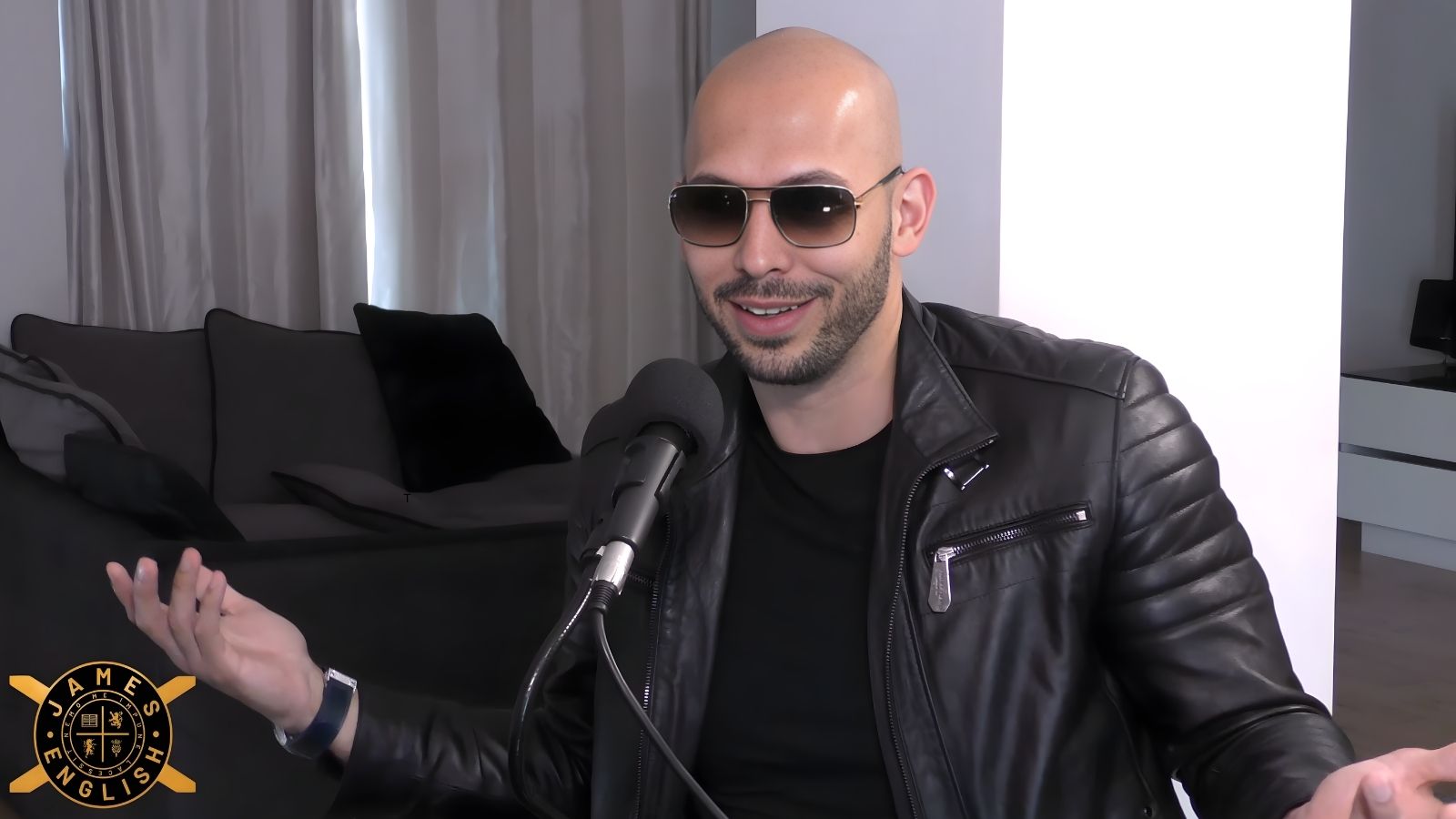
A new viral video is setting the internet on fire, and not for the right reasons. Controversial influencers Andrew Tate, Nick Fuentes, and several of their online allies were caught on camera vibing to Kanye West’s banned track during a night out in Miami, triggering instant backlash.
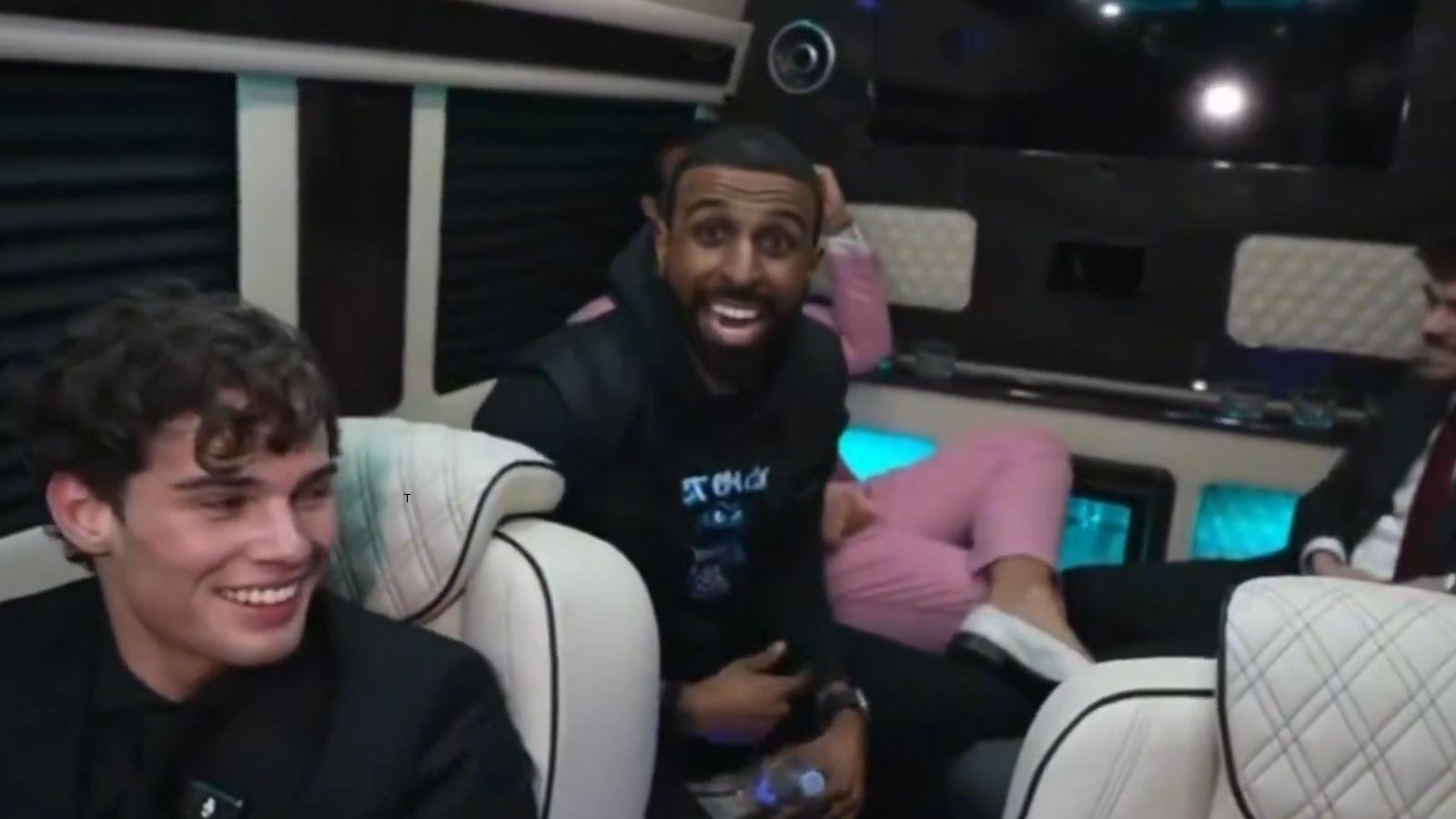
The 73-second video, shared by Mario Nawfal on X, shows the group inside the van under blue LED lights, laughing, gesturing, and nodding along to the lyrics.
Sneako is seen in a pink suit, gesturing energetically; Andrew Tate is on his phone; others, including Fuentes and Clavicular, appear visibly hyped. What started as a flashy club entrance quickly turned into a full-blown controversy. Here are the details.
The Song That Started It All
Ye’s controversial song was released in 2025 amid his highly publicized antisemitic outbursts. The track samples Hitler’s speeches and includes lyrics that openly praise Nazism.
Spotify, Apple Music, and YouTube banned it almost immediately for hate speech. Still, it pulled millions of streams and views on X, where it stayed up. Kanye lost visa approvals in Australia and saw festivals drop him over the release.
For some fans, the song is pure provocation or “art.” For most people, it crosses every line. When influencers blast it in a public club, the debate explodes again: free speech versus spreading hate.
What happened in the van was just the beginning. Videos show the group on the dance floor, arms up, moving to the beat in front of a packed crowd.
A group of influencers who bolster antisemitism with their hateful behavior walk into a club in Miami and request Ye’s “Heil Hitler” song…
No, this isn’t the setup of a joke. It actually happened. And guess what? The nightclub shamefully obliged.
Why would a nightclub play a… pic.twitter.com/yF6MCRdmEi
— ADL (@ADL) January 18, 2026
Clips spread fast, with some people pointing out hand signs that looked like salutes to critics. In less than 24 hours, the footage was everywhere, racking up millions of views and thousands of comments.
Who’s in the Crew and Why It Matters
Mario Nawfal’s post/X
These aren’t random club-goers. Andrew Tate and his brother Tristan built huge followings with “red pill” masculinity content and have faced serious legal accusations they deny.
Nick Fuentes runs the “Groyper” movement and is known for far-right views that keep him in headlines.
Sneako, a streamer who converted to Islam, loves controversy. Myron Gaines hosts the Fresh & Fit podcast, dishing out dating advice that sparks endless debates. Clavicular rounds out the group with his own edgy stunts and growing audience.
Together, they command well over 15 million followers, mostly young men who watch their every move. Many of them were kicked off major platforms years ago, but X changed that. Now they post freely, reach huge numbers, and turn nights like this into viral statements.
Backlash, Apologies, and What Comes Next
Vendôme has released a quick statement saying they do not support hate speech and are reviewing what happened. Miami Beach’s mayor called out the club for letting the group in.
Jewish organizations, including the ADL and StopAntisemitism, condemned the night, especially with antisemitism rising sharply in recent years.
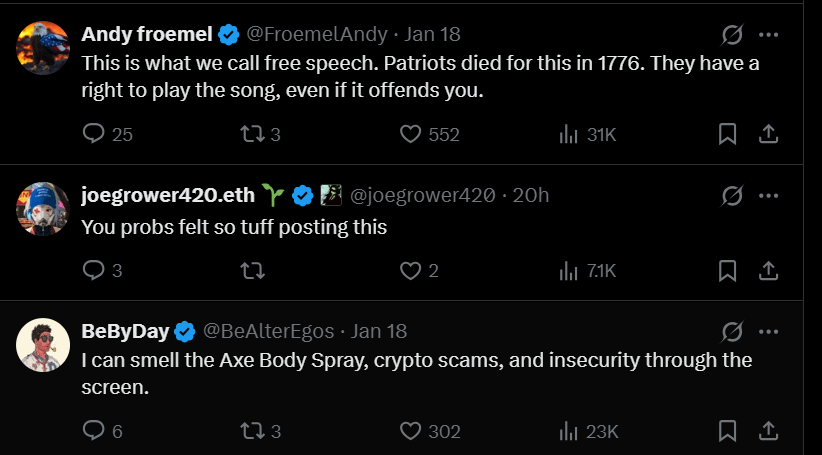
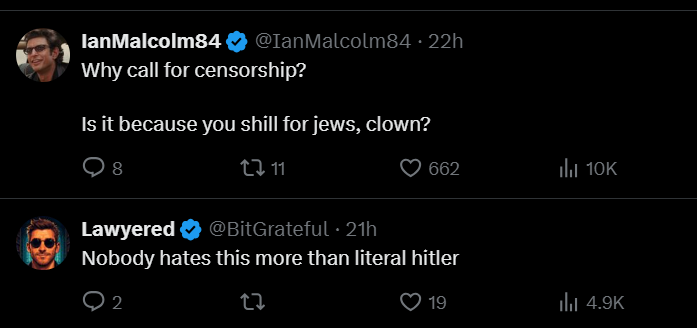
Online reactions split hard: some users called it a “trash” while others cheered it as a win against censorship.
Here are some top reactions:
Mario Nawfal’s post/X
Mario Nawfal’s post/X
Why This Moment Resonates Now
This controversy arrives at a time when debates over online radicalization and platform moderation are already heated. Influencers who were once sidelined on mainstream platforms have rebuilt audiences elsewhere, often by leaning into controversy.
Nightlife spaces, once seen as separate from internet politics, are increasingly becoming stages for viral moments with global reach.
What makes the Miami incident stand out is how ordinary it appears on the surface. A group of influencers, a club night, loud music. Yet the song’s symbolism and the people involved transformed it into something much larger.
As of now, none of the influencers shown in the footage has issued detailed public responses addressing the criticism. The video continues to circulate, fueling arguments on all sides.
A Flashpoint Moment
This night out was more than just a party. It was a bold display that blurred the line between defiance and danger. Critics argue that moments like this normalize hate symbols and rhetoric under the guise of entertainment and viral culture.
What’s clear is this isn’t just a song; it’s now part of a larger conversation about influence, visibility, and the consequences of letting certain messages trend.
What do you think?