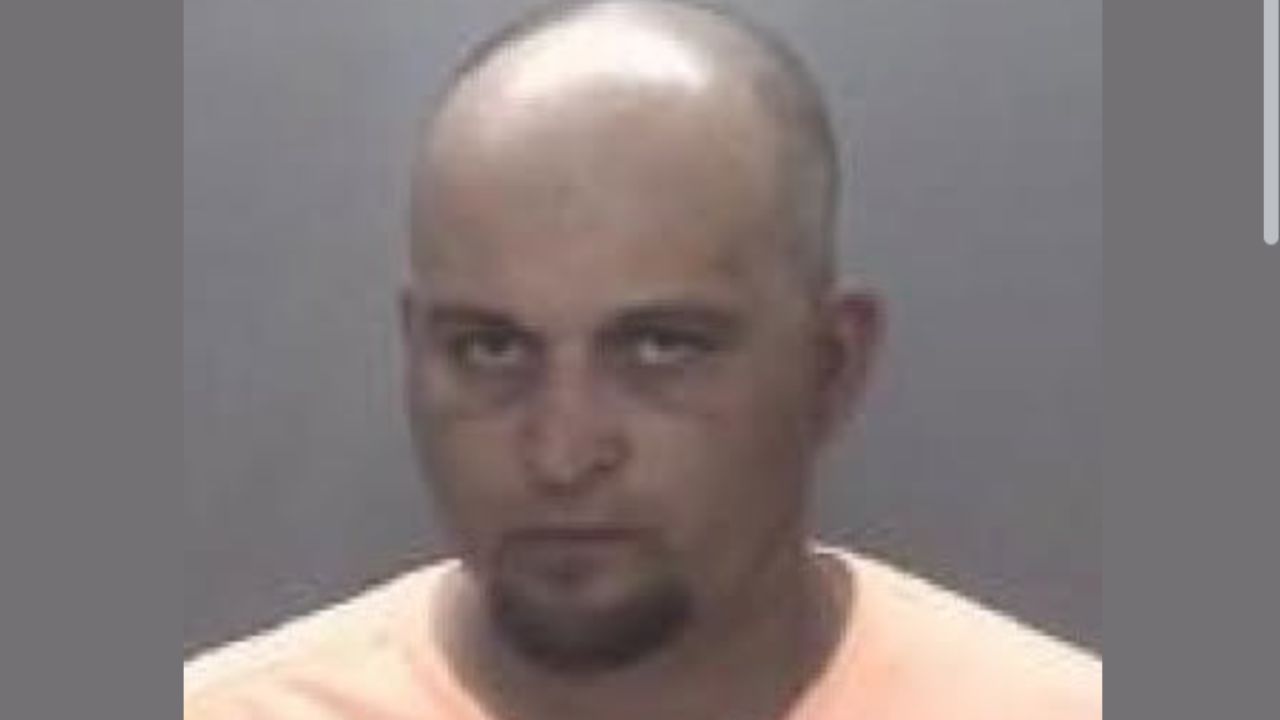
A North Carolina man has pleaded guilty after federal prosecutors said he obtained more than $170,000 from COVID-era business loan programs using false applications.
Phillip Collins, 47, of Robeson County, pleaded guilty to conspiracy to commit wire fraud, according to the U.S. Attorney’s Office for the Eastern District of North Carolina.
Prosecutors said Collins submitted false loan applications to the Small Business Administration’s Economic Injury Disaster Loan program and Paycheck Protection Program.
The applications resulted in $170,833 in loan proceeds, and DOJ said the money was deposited into a personal account Collins controlled.
The Loan Applications Used False Business Information
According to court documents and information presented in court, Collins submitted fraudulent EIDL and PPP loan applications for a business located in Robeson County. Those programs were created to help businesses affected by the COVID-19 pandemic, but prosecutors said Collins used false information to get money he was not entitled to receive.
DOJ said the applications included false representations about the number of employees and gross revenues connected to the business. Those details mattered because PPP and EIDL funding decisions depended on business size, payroll, revenue, and financial need.
False Tax Forms And Bank Statements Supported The Claims
The fraud did not depend only on false numbers entered into applications. Prosecutors said Collins also submitted false and fraudulent tax forms and bank statements as part of the loan process.
Those documents helped make the applications appear legitimate, according to DOJ. Once the loan applications were approved, the funds were disbursed into Collins’ personal account rather than being handled as legitimate business-relief money, prosecutors said.
The Total Reached $170,833
Federal prosecutors identified $170,833 in fraudulent loan proceeds. Collins will also be ordered to pay a forfeiture money judgment in that same amount.
That forfeiture judgment reflects the government’s effort to recover money tied to the fraud. Collins has not yet been sentenced.
He Pleaded Guilty In Federal Court
U.S. Magistrate Judge Robert Jones accepted Collins’ guilty plea, according to DOJ. The charge, conspiracy to commit wire fraud, carries a maximum term of 30 years in prison and a $1 million fine.
The final sentence has not been imposed. Collins’ actual punishment will depend on federal sentencing rules, the facts accepted by the court, and any arguments made before sentencing.
The FBI and IRS Criminal Investigation handled the investigation, according to DOJ.
COVID Loan Fraud Can Still Surface Years Later
COVID-era PPP and EIDL programs are no longer new, but loan fraud tied to those programs can still create problems years later for business owners, taxpayers, and people whose information was used without permission.
The Small Business Administration has specific reporting instructions for people who believe an EIDL, disaster loan, or PPP loan was taken out using their identity. The agency says suspected COVID-19 EIDL identity theft and PPP identity theft can be reported through SBA identity-theft channels.
The Federal Trade Commission says people who receive a bill for an SBA EIDL or PPP loan they never applied for should report identity theft at IdentityTheft.gov, keep the FTC Identity Theft Report, and then follow SBA’s identity-theft reporting process.
Business owners should not ignore unexpected SBA loan statements, collection letters, tax notices, or emails about loans they do not recognize. They should save the notice, check their own records, contact SBA or the lender through official contact information, and report suspected fraud to the SBA Office of Inspector General.
The SBA Office of Inspector General accepts reports of fraud, waste, abuse, or mismanagement involving SBA programs. That includes suspected fraud connected to SBA loans, grants, or pandemic-era relief programs.