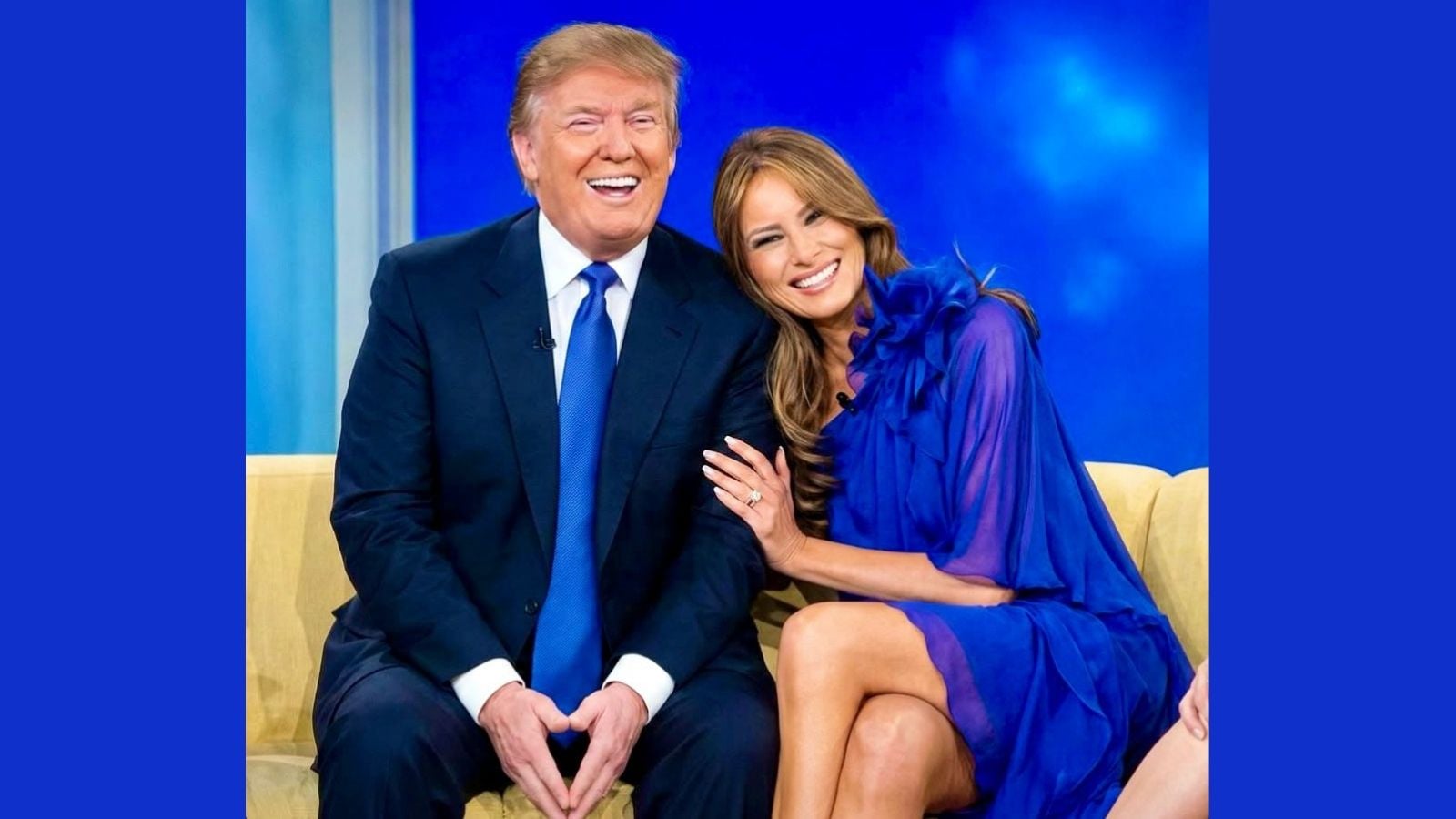
President Trump joked that there is not enough space in one family for two stars after his wife, Melania’s, new documentary pulled in $7.16 million on its opening weekend, setting the best domestic debut for a non-concert, non-music documentary in over a decade.
Trump made the remark during the February 19, 2026, Board of Peace meeting in Washington D.C., calling Melania a big movie star and describing the situation as trouble for their household dynamic, while also expressing pride in reports of women seeing the film multiple times.
The film titled Melania, directed by Brett Ratner, did not just arrive in theaters. It made a significant dent on January 30, 2026, across 1,778 screens, placing third overall that weekend behind two horror releases. It is a figure that invites a closer look at how we define relevance in a world divided between critical consensus and audience interest.

While the professional reviews were largely dismissive, with a critic score of approximately 6 percent on Rotten Tomatoes, opening night audiences handed the project a rare A CinemaScore and a 98 to 99 percent audience score on the same platform. Outlets like The Guardian gave the project a one-star review, before bringing it down to zero, yet the audience response remained remarkably high.
That divide between critics and viewers became one of the defining stories of the film’s opening week and continued to generate discussion well into its theatrical run.
The Strategy of the Silent Producer
Melania Trump did not just sit for interviews on this project. She served as an executive producer and retained editorial control throughout. According to reports, she told director Ratner not to hold back, seeking a big-screen experience that felt cinematic rather than a standard news report.
That decision to take creative ownership shaped the film from the ground up and set it apart from the kind of access-driven political documentary that typically surfaces around inaugurations.

Amazon MGM Studios reportedly paid $40 million to acquire the film and another $35 million to market it, bringing the total reported investment to $75 million. The film runs 1 hour and 44 minutes and includes exclusive footage of inauguration preparations from early 2025.
The film is rated PG, and access to behind-the-scenes material was a clear draw for opening crowds who had not seen that side of the transition period covered elsewhere.
The Kennedy Center hosted the premiere on January 29, one day before wide release, capping an announcement-to-debut timeline that stretched back to October 2025. Each step of that rollout was structured to build anticipation and frame the release as a cultural event rather than a standard theatrical drop.
A Disconnect That Defines the Market
The domestic gross currently stands at approximately $15.8 million, with a worldwide total of around $16 million, international revenue accounting for a modest $187,000 of that figure. The opening weekend was strong by documentary standards, but the weeks that followed told a different story. The film dropped roughly 67 percent in its second weekend, and by its fourth week had slipped to around 15th place or lower in weekly rankings.

Final domestic projections sit somewhere between $16 million and $20 million, a solid result for the documentary genre but well short of recouping the reported $75 million total investment. Several outlets have described the post-opening trajectory as steep, with reports of near-empty theaters in later weeks.
The audience that did show up was specific: 83 percent were over 45, 72 percent were female, and approximately 75 percent were white. For that segment, the critical response did little to deter them. The studio’s $35 million marketing investment ensured the film remained visible throughout its run, and the audience that was predisposed to see it largely did so in the opening days, which explains both the strong debut and the rapid decline that followed.
Shared Spotlights and a Changing Narrative
Trump’s joke about space for two stars was made alongside genuine praise. He called the film very successful and Melania a big movie star, even as he overstated its chart performance by describing it as number one overall, a claim that does not hold up against the weekend rankings.
The reality is more layered. The film set a legitimate genre record on opening weekend, drew a devoted, demographically consistent audience, and generated sustained media coverage over four weeks of release. Whether that translates into a financial win for Amazon, MGM is an open question that the theatrical numbers alone cannot answer.
At a reported total outlay of $75 million against current theatrical returns in the $15 to $16 million range, the gap is significant. Several analysts have noted that the studio may have weighed political visibility and long-term streaming value alongside immediate box-office returns.
A Prime Video streaming date has not been announced, and how the film performs on that platform will likely shape the final assessment of the investment. What the theatrical run does confirm is that a specific and motivated audience showed up on their own terms, outside the traditional critical consensus.
Whether that represents a meaningful shift in how political documentaries find their viewers, or simply reflects the particular enthusiasm surrounding this specific release, is a question the rest of the year may help answer.