It is kind of wild how a 40-second children’s TV segment turned into a full-blown cultural argument. One minute, Sesame Street is doing what it has always done, teaching kids a new word in a gentle, friendly way. The next minute, that same moment is being pulled apart on social media, cable news, and talk shows as if it is a political statement.
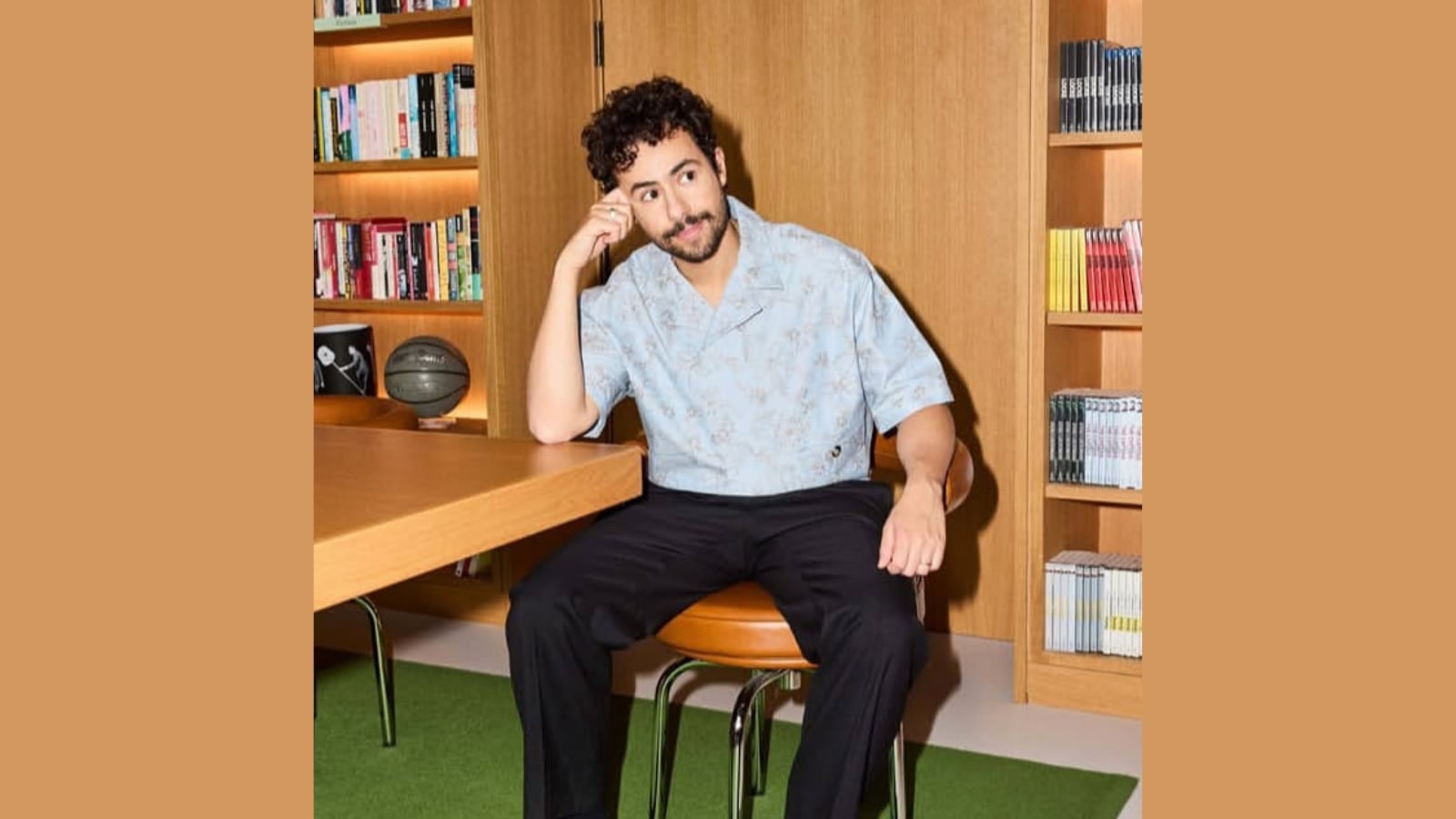
It all started with Ramy Youssef sitting beside Elmo, smiling through a simple lesson. He taught him “salamu alaykum,” explaining that it means peace and is a way to say hello in Arabic. Then he added “habibi,” describing it as something you call a special friend, and that should have been the end of it. But it did not end there.
The Word of the Day Meets the Culture War
On April 16, 2026, the clip dropped as part of Arab American Heritage Month, and on its own, it appeared warm and completely in line with what the show has always stood for. Youssef even said he was proud of his heritage and happy to share it with both his community and Elmo, and that tone carried through the entire segment. The official post promoted it as a “Word of the Day,” and people showed up in big numbers, with hundreds of thousands of likes on Instagram.
View this post on Instagram
Then came the shift, and it was quick. By the next day, criticism began to build, especially from conservative voices who felt the show was stepping outside its lane. One of the loudest reactions came from Fox News contributor Raymond Arroyo, who went on air to question why the program was not sticking to basics like letters and numbers.
He described the segment as “Arabic immersion,” which is a strong label for something that lasted under a minute. He even stretched the idea further, suggesting the show could move toward characters engaging in daily prayer rituals, facing east. That jump in logic says a lot about how the moment was being received in certain circles.
A Satirical Defense on the National Stage
By April 20, the conversation had moved from children’s TV to daytime talk. Youssef showed up on The View and decided not to handle it like a standard media apology tour. Instead, he leaned into humor, pointing out how strange it was to call a 40-second exchange “immersion.”
He did not stop there, and this is where his response really landed. He brought up a recent post by Donald Trump, where the president ended a heated message about the Iran War and the Strait of Hormuz with “Praise be to Allah.” Youssef framed it in a way that made the criticism around Elmo feel a bit inconsistent.
His point was simple but sharp. If political supporters were fine with that language coming from the highest office, why was it suddenly a problem coming from a children’s character talking about friendship? Delivered with a straight face and a bit of irony, it flipped the conversation in such a way that no press statement could.
The End of the Heritage Month “Neutral Zone”
One thing Youssef kept coming back to was confusion. He mentioned that Sesame Street has introduced a wide range of languages and cultures over the years without triggering this kind of response. That made this particular reaction stand out even more.
There is a pattern here that is hard to ignore. Celebrations like Hispanic Heritage Month have been part of the show’s rhythm for years, and they usually pass without much noise. This time, though, the reaction suggested that Arab American Heritage Month sits differently for some viewers.
The online comments clearly reflected that divide. While many people appreciated the moment for what it was, others went so far as to call for PBS to be shut down entirely. Some even brought up Fred Rogers as the standard they felt had been lost, which says more about nostalgia than the segment’s actual content.
Global Precedents and Domestic Frictions
What makes all of this even more layered is the fact that Arabic is not new to the Sesame Workshop. The organization has been producing Ahlan Simsim in the Middle East since 2020, and that show is built around the same educational values, just in Arabic. It has reached millions of children without any such controversy.
So the language itself is not the issue. The difference seems to be where the content is being shown and who is watching. In the U.S., the same idea is being filtered through a completely different lens, one that is already shaped by political tension.
Ramy Youssef’s SESAME STREET episode ignited MAGA outrage because he taught Elmo how to say Arabic words such as “habibi”
Fox News contributor Raymond Arroyo lashed out: “I wish ‘Sesame Street’ would stick to teaching kids about letters and numbers and leave the Arabic immersion…
— Zack Sharf (@ZSharf) April 21, 2026
Interestingly, Sesame Workshop has stayed quiet through all of this. No official statement, no attempt to control the narrative. Instead, the numbers are doing the talking, with the clip continuing to circulate widely and Youssef’s response on The View pulling in tens of thousands of likes on its own.
The Quiet Dissolution of Educational Safety
There is still a lot that has not been addressed. No clear data on who exactly is reacting the most strongly, and no insight into whether this will change how the show approaches language going forward. Even the educational impact of these short segments has not really been part of the conversation.
What is clear is that something has shifted. Children’s media used to exist in a kind of protected space, where lessons about culture felt simple and non-threatening. Now, even a word like “habibi” can carry weight far beyond what was intended.
That is probably the part that lingers the most. Elmo learning a new word should have stayed a small, sweet moment, but instead, it became a reflection of everything happening outside the screen. The noise of the real world found its way in, and suddenly a lesson about friendship began to sound like a political statement.
And maybe that is the real story here. Not just that people argued over a children’s show, but that there seems to be no space left that is untouched by bigger conversations. Even a red puppet and a friendly word are now part of it.