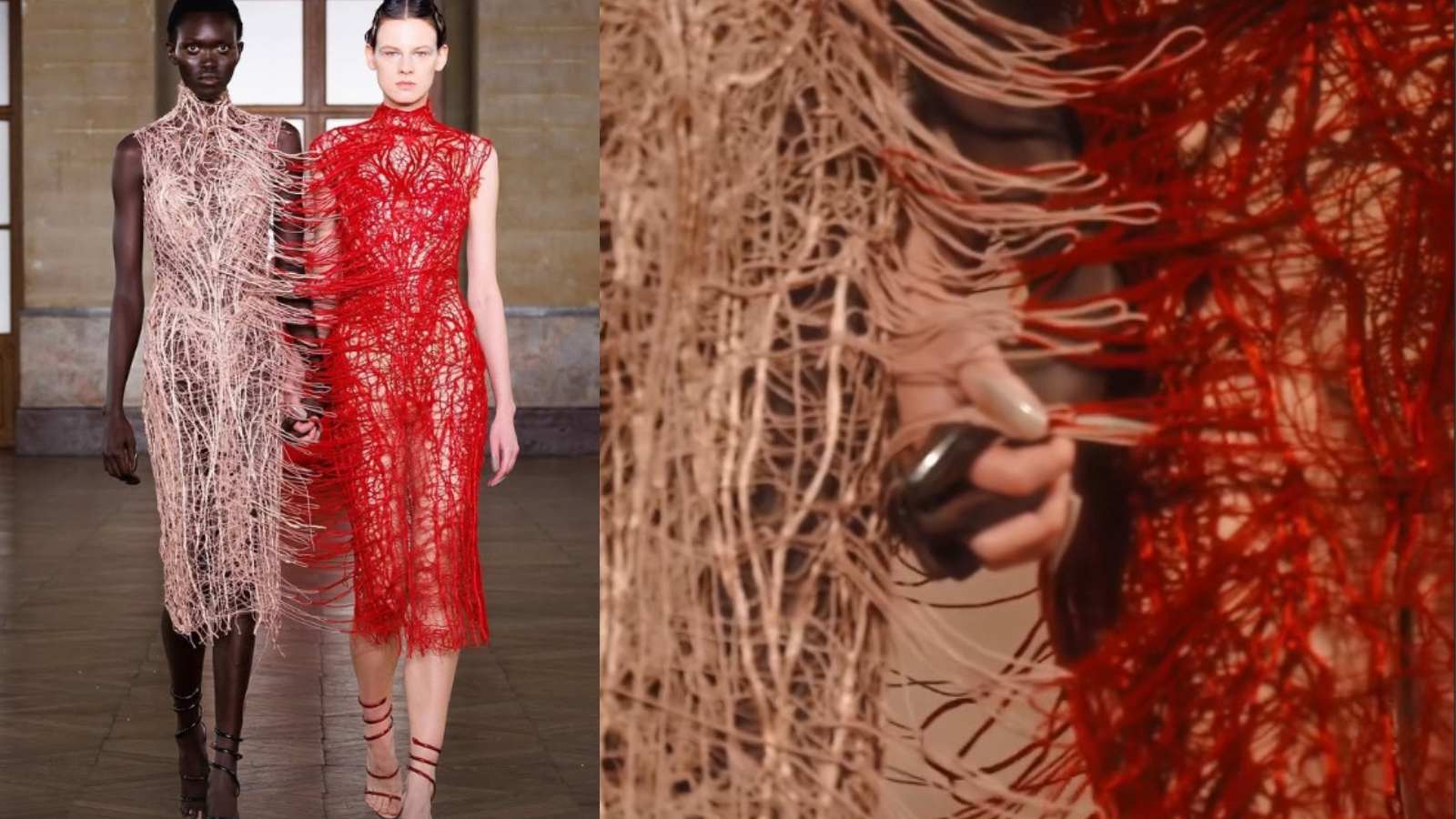
Fashion weeks are usually about awe. Sometimes they are about inspiration. And sometimes, without warning, they turn into a group chat spiral where everyone is convinced they are seeing something familiar but cannot agree on why. That is exactly what happened after a dramatic Gaurav Gupta runway look began circulating online and was quickly labeled the Stranger Things dress. The name stuck almost instantly, even though many people could not explain what part of the Netflix series it actually resembled. What followed was a mix of genuine confusion, amused disbelief, and a lot of very funny internet commentary. Instead of a clean viral moment, the dress became a case study in how fashion references can snowball out of control once social media grabs the wheel.
At first glance, the dress itself was unmistakably Gupta. Sculptural. Bold. Almost architectural. It featured an elongated silhouette with sharp curves and a glossy finish that looked futuristic under runway lighting. It was the kind of piece that feels designed to stop a room cold. But once photos and clips hit social platforms, viewers did not focus on the craftsmanship or the design language. They focused on the nickname. And suddenly, everyone was trying to figure out what exactly made this a Stranger Things look.
Where the Stranger Things Comparison Came From

The confusion seems to have started with the dress’s shape and tone rather than any direct reference. Online commenters noted that the dark, sculpted form reminded them of the Upside Down aesthetic from the show. Others mentioned that it felt like something Vecna might design if he took a fashion elective. A few joked that it looked like a Demogorgon went to couture school and graduated with honors. None of these comments was especially serious, but they were catchy enough to spread.
What made the comparison snowball was repetition. Once someone said “Stranger Things,” the next person saw it too, even if they could not quite explain why. This is how internet labeling works. It does not need to be accurate. It just needs to feel right for half a second. Fans leaned into the joke, with many admitting they laughed at the nickname while also saying it distracted them from the actual design. Some even confessed that once the label was planted, they could not unsee it.
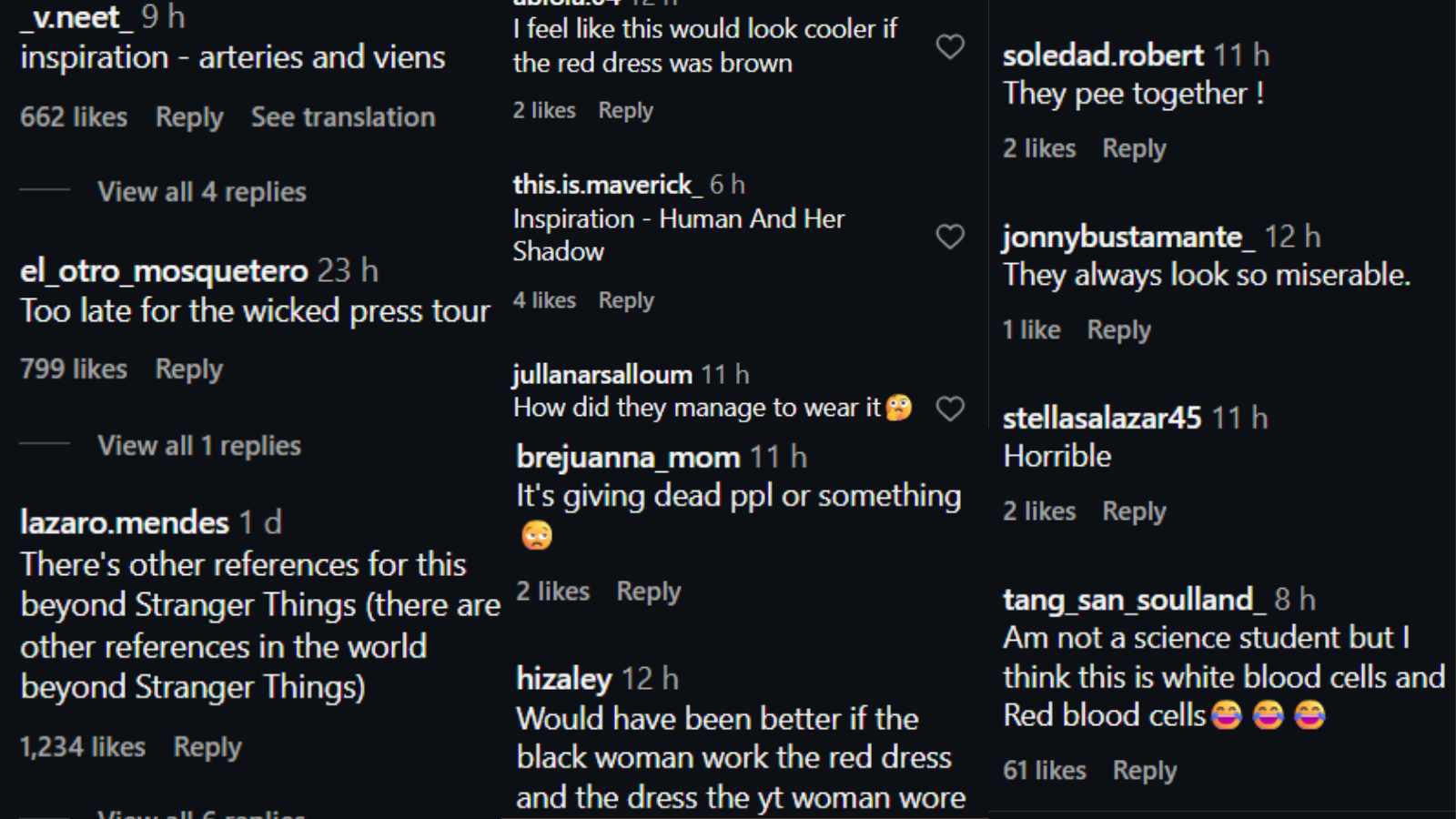
Others pushed back. Several users pointed out that the show has a very specific visual language rooted in eighties horror and small-town grit, while Gupta’s work lives firmly in futuristic fantasy. To them, the comparison felt lazy and reductive. One commenter summed it up neatly by saying that calling every dark, dramatic outfit ‘Stranger Things-coded’ says more about internet culture than it does about the dress.
Why the Moment Took off Anyway
View this post on Instagram
Part of why this moment gained traction is because it sits at the intersection of high fashion and pop culture. Gaurav Gupta is known for designs that feel otherworldly, which makes them easy to meme. Stranger Things is one of those cultural touchstones people instinctively reference, even when the connection is thin. Put the two together, and you have something that feels familiar enough to joke about and strange enough to keep people talking.
Another factor is how runway images circulate now. Most people did not see this dress in motion. They saw a still image, cropped and reposted, stripped of context. Without the music, the pacing, or the rest of the collection, the dress became a standalone object open to interpretation. In that vacuum, the internet filled in the blanks with humor.
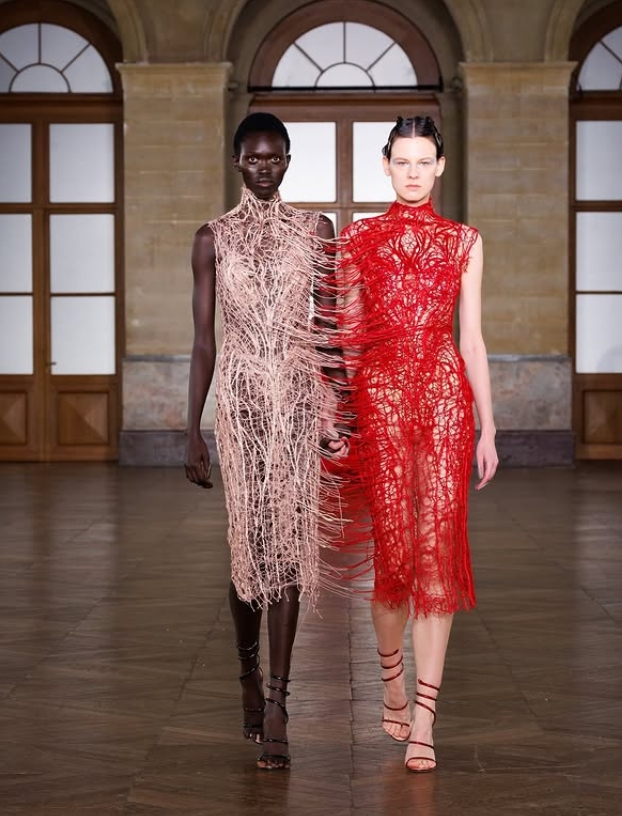
Importantly, there was no indication that the designer or the brand intended any connection to Stranger Things. No official statements leaned into the comparison. No captions hinted at it. This was entirely an audience-driven narrative. And that is part of what makes it interesting. The moment belongs to the viewers, not the runway.
What is refreshing is that the reaction never turned truly nasty. The tone stayed mostly playful. Even critics of the comparison were more tired than angry. People debated. They joked. They moved on. In an online space that often escalates quickly, this felt oddly light. In the end, the so-called Stranger Things dress did what fashion is often meant to do. It sparked conversation. It made people look twice. It reminded everyone that interpretation is subjective and that once the internet gets involved, meaning becomes a group project.
Did you see a sci-fi villain, an abstract sculpture, or just a striking couture moment? Well, the dress clearly made an impression. And sometimes, that is more powerful than being perfectly understood.