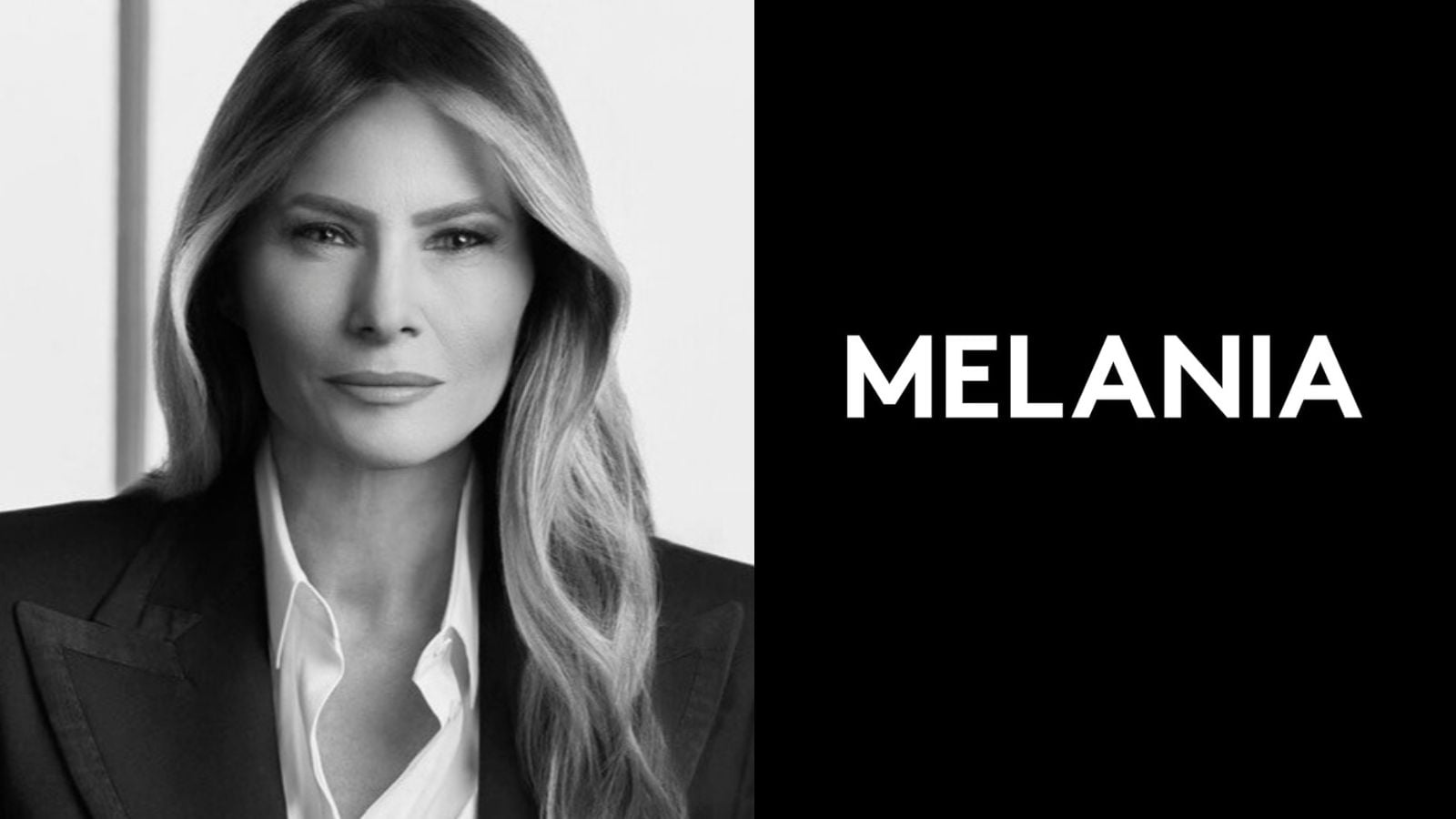
The new documentary Melania is making headlines, but not for the reasons Amazon MGM probably hoped. Instead of sparking meaningful discussion or glowing reviews, the film is drawing major backlash from audiences and critics alike.
So what went wrong? At first, Melania seemed like a surefire attention-grabber. Directed by Brett Ratner and backed by a massive $75 million from Amazon MGM, the documentary follows former First Lady Melania Trump in the weeks leading up to her husband’s second presidential inauguration.
The studio gave it the kind of full-blown theatrical rollout that’s usually reserved for summer blockbusters, with big trailers, billboards, and even a high-profile premiere event. But once audiences got a look at the movie, the response turned sour. Viewers online began sharing their disappointment, calling it “bland,” “filtered,” and “overly polished.”
Behind-the-Scenes Chaos and Crew Regrets
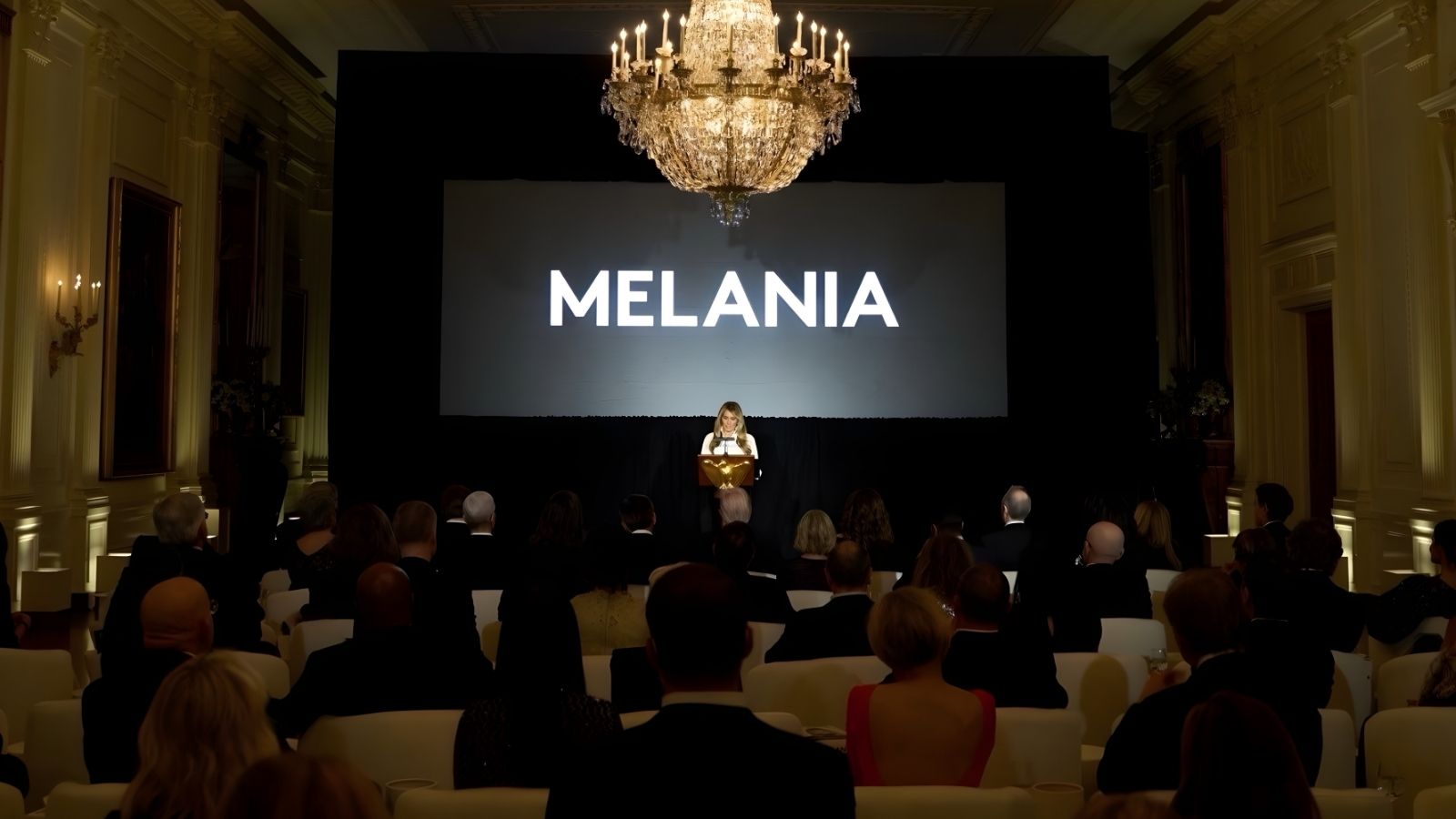
One of the biggest reasons Melania is facing backlash has little to do with what’s on screen and everything to do with what reportedly happened behind the scenes. As details about the production began leaking, the image of a smooth, prestige documentary started to crack.
Multiple reports suggest that Melania Trump had unusual levels of control over the project. From editing decisions to music choices, sources claim the film was carefully shaped to present a very specific version of her story. For many viewers, that immediately raised red flags. Documentaries are expected to ask tough questions, not avoid them.
It was also detailed how two-thirds of the New York crew requested their names be removed from the credits, with some insiders expressing shame and hoping the film flops due to ethical concerns and the chaotic process. The involvement of director Brett Ratner, who has faced past allegations of misconduct, has amplified criticism, with some viewing the project as tone-deaf.
Trailer Mockery and Low Sales
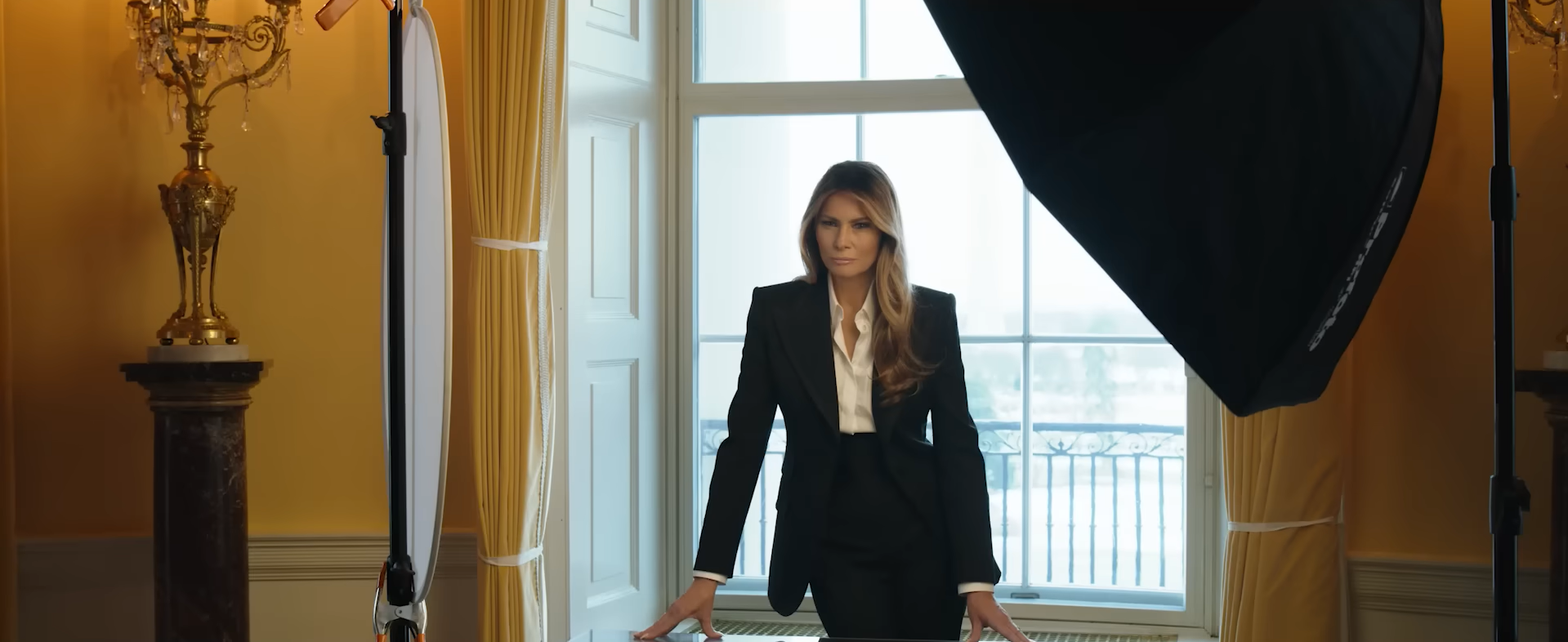
The backlash exploded once the trailer dropped. What was meant to spark intrigue quickly became social media fodder. Viewers mocked the slow pacing, dramatic music, and vague voiceovers.
Clips from the trailer circulated widely on X and Instagram, often paired with sarcastic captions and jokes. Some users compared it to a luxury fashion ad rather than a documentary meant to reveal something meaningful.
That reaction had consequences. Advance ticket sales were weak almost immediately. Reports from major cities suggested that screenings were selling only a handful of seats, even with heavy promotion. For a film backed by a reported $75 million investment, those numbers stood out in a bad way.
The contrast between the massive marketing push and the lack of audience interest became part of the story itself. People weren’t just ignoring the movie. They were actively talking about why they weren’t interested. That kind of attention can be brutal, especially when the online conversation turns into a pile-on. Instead of building curiosity, the trailer ended up reinforcing the idea that the film had nothing new to say.
Poor Timing and Insensitive Screenings
Private screenings, such as one at the White House attended by tech execs like Apple’s Tim Cook, have sparked outrage. Some critics called these events tone-deaf, especially given broader economic concerns and political division. To many observers, the screenings felt out of touch with the current mood of the country, especially when held amid events like unrest in Minneapolis, immigration raids, or the killing of Alex Pretti.
There was also confusion about who the movie was for. Supporters expected a strong, unapologetic portrait. Critics expected tough questions and real insight. Instead, both groups felt disappointed. The film landed in an awkward middle ground that satisfied neither side. When a movie feels disconnected from its moment, backlash tends to follow.
What This All Says
The backlash against Melania says more about changing audience expectations than it does about one person. Viewers today are savvy. They know when they’re being sold a story versus shown one. In the age of revealing documentaries and unfiltered access, a polished, tightly controlled film can feel outdated. People want honesty, even when it’s uncomfortable.
The response also highlights how risky it is to spend blockbuster-level money on a documentary without clear audience demand. A $75 million budget raises expectations. When the final product feels safe or surface-level, disappointment is almost inevitable.
For Melania Trump, the film was likely meant to reshape her public image or offer clarity. Instead, it has reopened old questions about authenticity and control. For Amazon MGM, it’s a reminder that attention does not always translate into approval.
What do you think?