
A former employee of a Georgia nonprofit that advocates for abused and neglected children has pleaded guilty to stealing $96,713 from the organization over four years.
Jennifer O’Neal, 63, of Cedartown worked as a program specialist for Court Appointed Special Advocates of Polk & Haralson, according to the U.S. Attorney’s Office for the Northern District of Georgia. CASA recruits, trains and supports volunteers who represent children’s interests in foster care and court proceedings.
O’Neal was responsible for processing payroll and expense reimbursements for staff and volunteers. From 2018 through 2022, she admitted issuing payments from CASA’s bank accounts for expenses that were presented as legitimate organizational costs but were actually for her personal benefit.
O’Neal pleaded guilty September 15 to theft of federal program funds. U.S. District Judge William M. Ray II is scheduled to sentence her on December 17.
Fake Mileage and Reimbursements Covered Personal Expenses
Some of the fraudulent payments were recorded as mileage reimbursements for trips to court appearances or conferences. Prosecutors said the mileage was either inflated or tied to travel that never occurred.
Other reimbursements were labeled as spending on restaurants, groceries, utilities and clothing supposedly purchased for volunteers, employees or children served by CASA. O’Neal admitted that the money instead covered her own expenses.
Federal prosecutors identified payments for her power, water and sewage, and cellphone bills, along with a Six Flags visit, a Netflix subscription, softball equipment and lingerie.
Office Supply Payments Bought Home Theater Equipment
O’Neal also issued payments that appeared in CASA’s records as office supply expenses but were actually used to purchase home theater equipment.
The equipment was installed at her residence, according to information presented in federal court.
The FBI characterized the conduct as frequent and repeated rather than a single unauthorized transaction. The $96,713 total reflects payments made during the four year period covered by the case.
A Local Referral Led to the Federal Prosecution
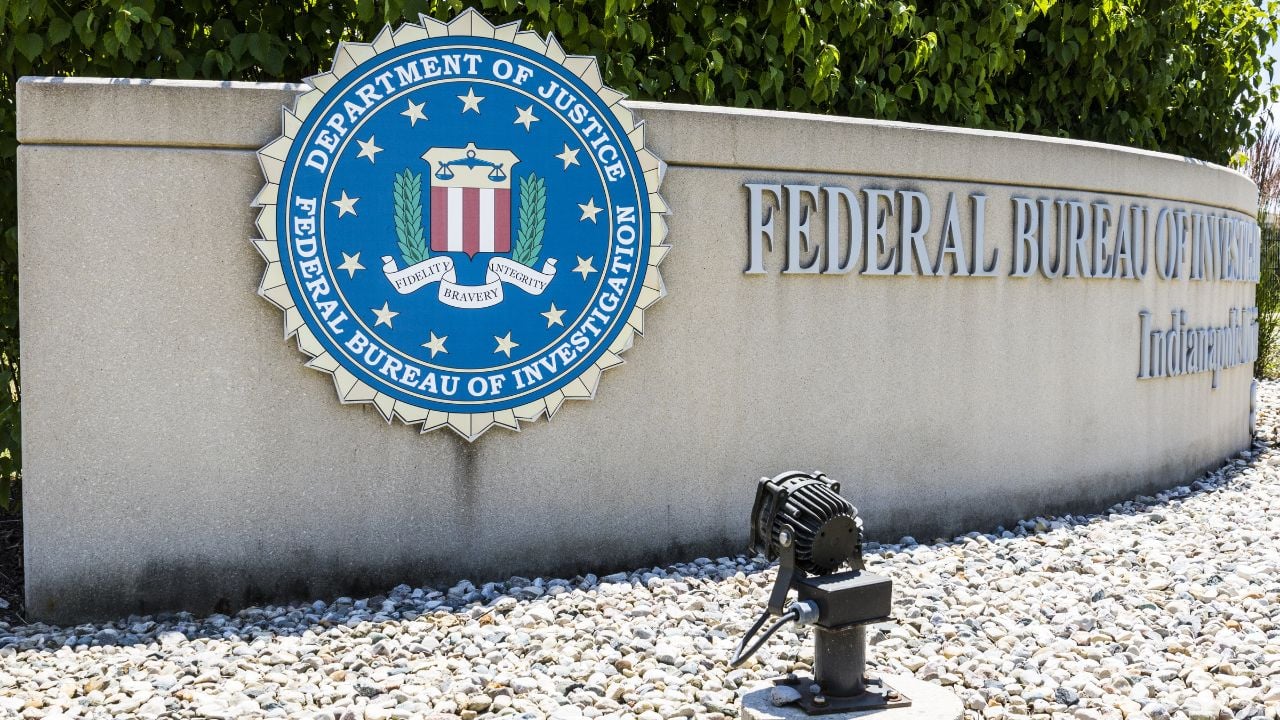
The FBI and Georgia Bureau of Investigation handled the investigation after the Tallapoosa Judicial Circuit District Attorney’s Office referred the matter to federal prosecutors.
U.S. Attorney Theodore Hertzberg said the money had been intended for an organization serving vulnerable children. GBI Director Chris Hosey also cited the position of trust O’Neal held while handling the nonprofit’s finances.
Assistant U.S. Attorneys Garrett L. Bradford and Calvin A. Leipold III are prosecuting the case.
Nonprofits Can Limit One Person’s Control Over Payments
The National Council of Nonprofits recommends separating financial responsibilities so one employee does not control several stages of the same transaction. For example, the person preparing payroll should not also have sole control over distributing payments.
Expense reimbursements can require advance approval and supporting documentation, while bank statements and vendor payments should be reviewed by someone other than the employee responsible for processing them. Periodic reviews can also identify unusual reimbursements, unfamiliar vendors or payments that do not match the organization’s work.
Smaller nonprofits that cannot completely separate every financial function can add oversight through board review and surprise internal checks. Having a second person regularly examine bank statements is another safeguard recommended for organizations with limited staff.
The IRS also requires organizations filing Form 990 to disclose certain significant diversions of assets discovered during the tax year. Its instructions define a diversion as unauthorized use of charitable assets, including theft or embezzlement, when the applicable reporting threshold is met.