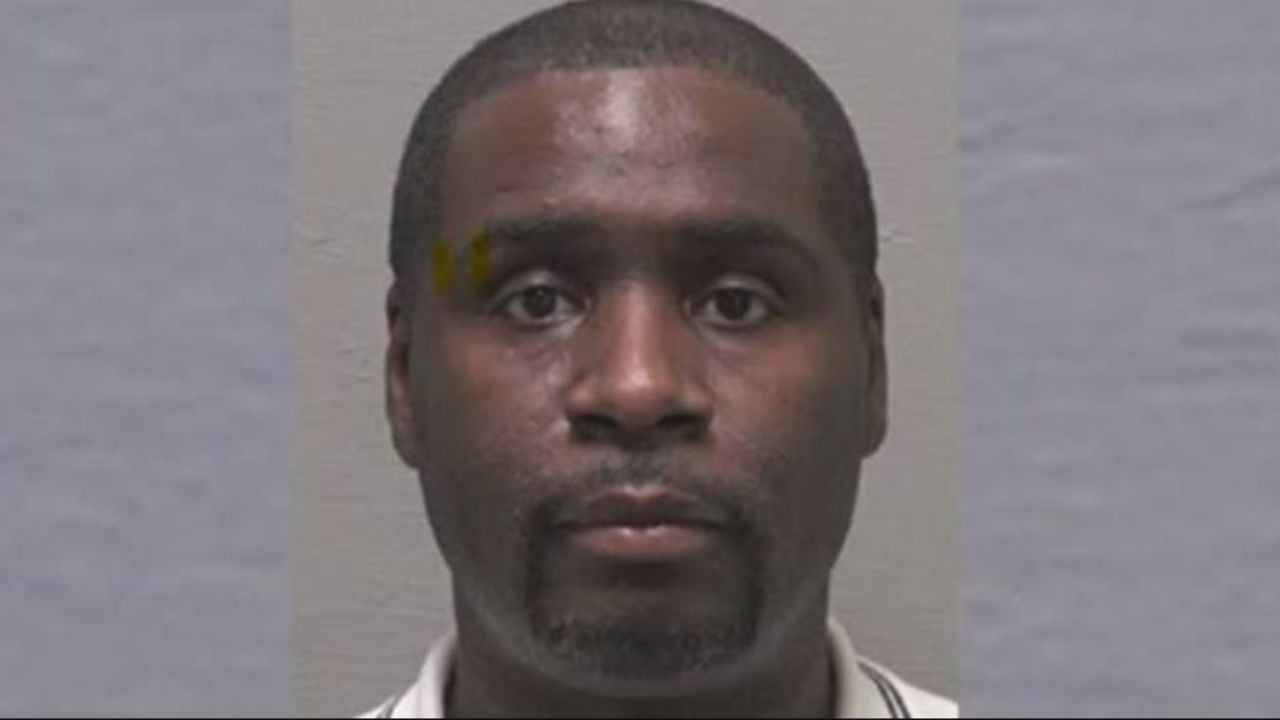
A former North Carolina hotel clerk has been sentenced to 117 to 153 months in prison after pleading guilty to 57 identity theft and financial crime charges involving nearly 120 hotel guests.
Kevin Jamar Wright, 40, used front desk jobs at two Wilmington hotels to obtain customers’ credit card and driver’s license information. According to the New Hanover and Pender County District Attorney’s Office, Wright first took copies of guest records while working at a downtown Hampton Inn and later photographed customers’ cards and identification at the Arrive Hotel.
Police arrested Wright in December 2022 after finding records belonging to more than 80 hotel guests. He posted bond, found another hotel job and was arrested again in June 2023. By then, investigators said his cellphone contained personal information belonging to approximately 38 additional victims.
Senior Resident Superior Court Judge Kent Harrell sentenced Wright as a habitual felon to an active term of 117 to 153 months, or nine years and nine months to 12 years and nine months. Wright also received a separate suspended sentence of 33 to 49 months tied to probation after his release. He does not serve those additional months now, but the sentence can be activated if his probation is later revoked.
Police Found Binders Filled With Hotel Guest Records
Wright’s history of hotel-related financial crime predated the Wilmington cases. Prosecutors said he had served several jail and prison terms for theft, fraud and related offenses since 2015. In September 2022, he completed a prison sentence stemming from the theft of a hotel guest’s credit card information while he was working at another property.
Within about two months, Wright was working behind the front desk at the Hampton Inn in downtown Wilmington. Prosecutors said he took copies of credit card authorization forms containing guests’ card information and driver’s license details, then used some of the stolen financial information for his own expenses.
When officers arrested him in December 2022, they found binders containing Hampton Inn credit card authorization forms and copies of credit cards and driver’s licenses for more than 80 people. The records included information belonging to guests who had stayed at Hampton Inn properties in both Wilmington and Raleigh, according to the district attorney’s office.
Wright used stolen financial information for expenses that included an apartment deposit and hotel rooms. Prosecutors said he also used another person’s information to post bond for a friend in an unrelated criminal case.
He Posted Bond and Got Another Front Desk Job
Wright was released while the Hampton Inn case was pending and found another job handling guest information. This time, he was hired at the Arrive Hotel in Wilmington.
Prosecutors said Wright changed the way he collected the information. Instead of taking paper records, he photographed guests’ credit cards and driver’s licenses with his cellphone. He then used stolen card information to purchase furniture, a washer and dryer, hotel stays and McDonald’s, rent a U-Haul and pay car insurance and utility bills.
Wilmington police arrested Wright again in June 2023 after investigating activity that occurred between February and May. His phone contained personal information belonging to approximately 38 victims, prosecutors said.
At the time of that arrest, Wilmington police announced 66 counts of financial card fraud, 71 counts of identity theft and one count of obtaining property by false pretenses. Wright was initially held on a $3.9 million bond. Those were the charges announced at the 2023 arrest; the combined cases were ultimately resolved through his 2026 guilty plea to 57 charges.
Wright Pleaded Guilty to 57 Charges
Wright pleaded guilty September 11 to two counts of aggravated identity theft, 44 counts of identity theft, two counts of financial card theft, one count of possession or manufacture of fraudulent identification and eight counts of obtaining property by false pretenses, according to WWAY and the district attorney’s office.
He was sentenced as a habitual felon. Under North Carolina law, habitual felon status applies to a person who has been convicted of or pleaded guilty to three qualifying felony offenses. The state’s sentencing law increases the felony class used to sentence someone convicted as a habitual felon.
The 117-to-153-month term is Wright’s active prison sentence. His additional 33-to-49-month sentence is suspended, which means it is being held over while he serves the probation ordered to follow his release rather than being added immediately to his prison time.
The North Carolina Judicial Branch explains that a suspended sentence does not have to be served if the defendant successfully completes probation. If probation is revoked, however, a court can activate the prison sentence that had been suspended.
District Attorney Jason W. Smith said the crimes affected visitors from around the country. “If your criminal activity has become a career, then we will seek lengthy prison sentences,” Smith said.
Hotel Guests Can Act if Card or ID Information Is Stolen
A traveler may not know during a hotel stay that card or identification information has been copied. If unfamiliar charges later appear, IdentityTheft.gov recommends contacting the company or financial institution where the fraud occurred, asking it to close or freeze affected accounts and changing passwords, PINs and other login credentials connected to the compromised information.
Someone whose information may also be used to open new accounts can place a fraud alert and review their credit reports for activity they do not recognize. An initial fraud alert can be placed through any one of the three nationwide credit bureaus, which must notify the other two.
A credit freeze provides stronger protection against new accounts being opened. The FTC says freezes are free and do not affect a credit score, but they have to be placed separately with Equifax, Experian and TransUnion. A freeze does not replace contacting a card issuer about misuse of an existing account.
IdentityTheft.gov can also create an FTC Identity Theft Report and a recovery plan based on the information that was stolen and how it was used. Victims can use the report when disputing fraudulent accounts or charges and should keep copies of statements, correspondence and other records connected to the theft.