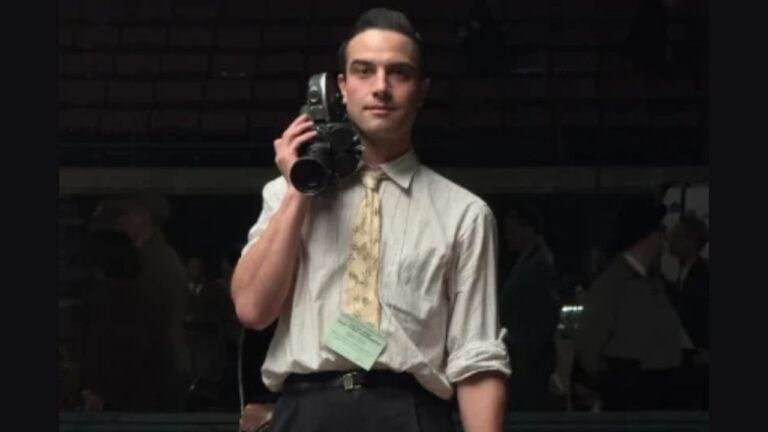

Gio Benitez says he passed a cardiac stress test “with flying colors” before a different examination revealed coronary artery disease. The Good Morning America anchor had felt healthy and had no symptoms warning him that plaque was building up in the arteries supplying his heart.
The 41-year-old Sunday co-anchor and ABC News transportation correspondent disclosed the diagnosis in a November 17 interview with PEOPLE. He also discussed it on Good Morning America alongside Dr. Tara Narula, ABC News’ chief medical correspondent and a practicing cardiologist.
Benitez exercises regularly, watches what he eats and does not smoke. He reported no history of diabetes or high blood pressure, although he said on the broadcast that his cholesterol numbers were now “borderline” and concerned his doctor.
He has begun treatment, and blood work after the first week showed the response Narula had anticipated. That early progress has offered some reassurance as he adjusts to managing a chronic condition.
The Scan He Postponed Returned an Unexpected Result
FULL INTERVIEW: ABC News’ @giobenitez was recently diagnosed with coronary artery disease, despite feeling perfectly healthy.
— Good Morning America (@GMA) November 17, 2026
About a year earlier, Benitez had mentioned his family’s heart problems while working on a health segment with Narula. She invited him to her office, reviewed his medical history and recommended a coronary artery calcium scan. He booked the appointment but repeatedly postponed it because of work, eventually forgetting about it.
When he followed through earlier this month, the CT examination required him to lie in the scanner and briefly hold his breath while images were taken. He described the procedure to PEOPLE as taking about three minutes.
The following morning, his calcium score came back at 137. He had expected zero, which would have meant no detectable calcified coronary plaque.
His Family History Fueled a Week of Panic
Benitez’s grandmother died of a heart attack at 61, and an aunt suffered a fatal heart attack in her sleep. Two uncles had heart attacks relatively young. On the other side of his family, a grandfather underwent triple bypass surgery, while a grandmother needed medication for recurring chest pressure.
Those memories made his own diagnosis especially frightening. Benitez described nightly panic attacks for about a week, with his thoughts turning toward the possibility of dying suddenly. The fears surfaced after his husband, Tommy DiDario, fell asleep or when he was alone in a hotel room while traveling for work.
DiDario acknowledged the difficult period in an Instagram Story encouraging followers to watch his husband’s announcement. According to Page Six, he described the preceding week as emotional and praised Benitez for sharing an experience he believed could help others.
He Discussed Heart Concerns Before Turning 40
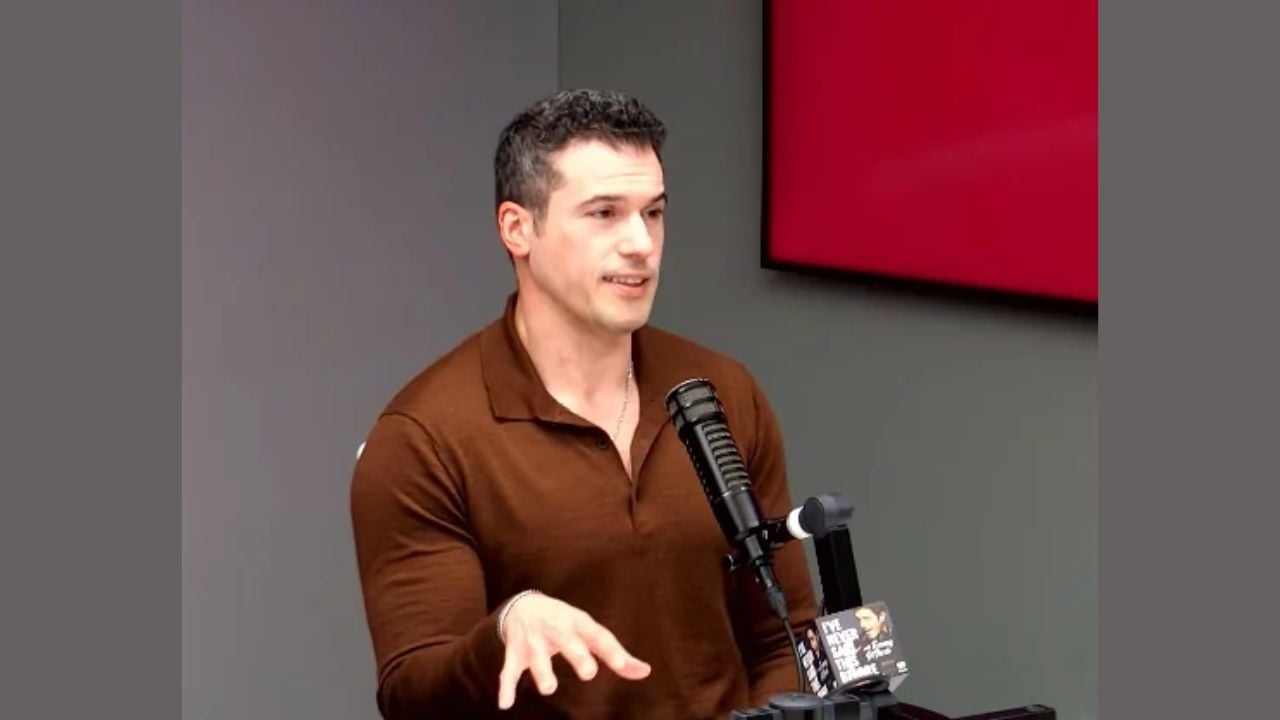
Health and mortality had come up in an episode of DiDario’s podcast, I’ve Never Said This Before, released October 28, 2025. Asked what he wanted to leave behind as he entered a new decade, Benitez answered that he wanted to let go of fear.
He reflected on growing older before adding, “I’m going for a cardiologist examination today just to check things out to make sure everything’s okay.” DiDario was surprised by how much his husband had been thinking about death, then acknowledged how a milestone birthday could change someone’s perspective.
Why the Two Heart Tests Gave Different Information
Narula explained that a stress test assesses the heart’s response to exertion, while a calcium scan looks for calcified plaque. As RadiologyInfo, the patient resource from the American College of Radiology and Radiological Society of North America, explains, calcium scoring does not measure how severely an artery is narrowed.
The American Heart Association describes the scan as a tool for selected patients whose risk or preventive treatment needs clarification. Results can help guide decisions about medication such as statins. Testing is not recommended for everyone, and costs and insurance coverage vary, Benitez said his examination cost approximately $100.
He has been thinking about whether earlier care could have changed what happened to relatives he lost. He told readers concerned about their own risk, “I want you to have this conversation with your doctor.”