
A Tennessee company helped Honduran citizens arrange appointments and travel to their country’s consulate in Atlanta. Federal prosecutors say the consul general turned that access into a bribery scheme, requiring a cash payment for each of the company’s clients seeking an appointment.
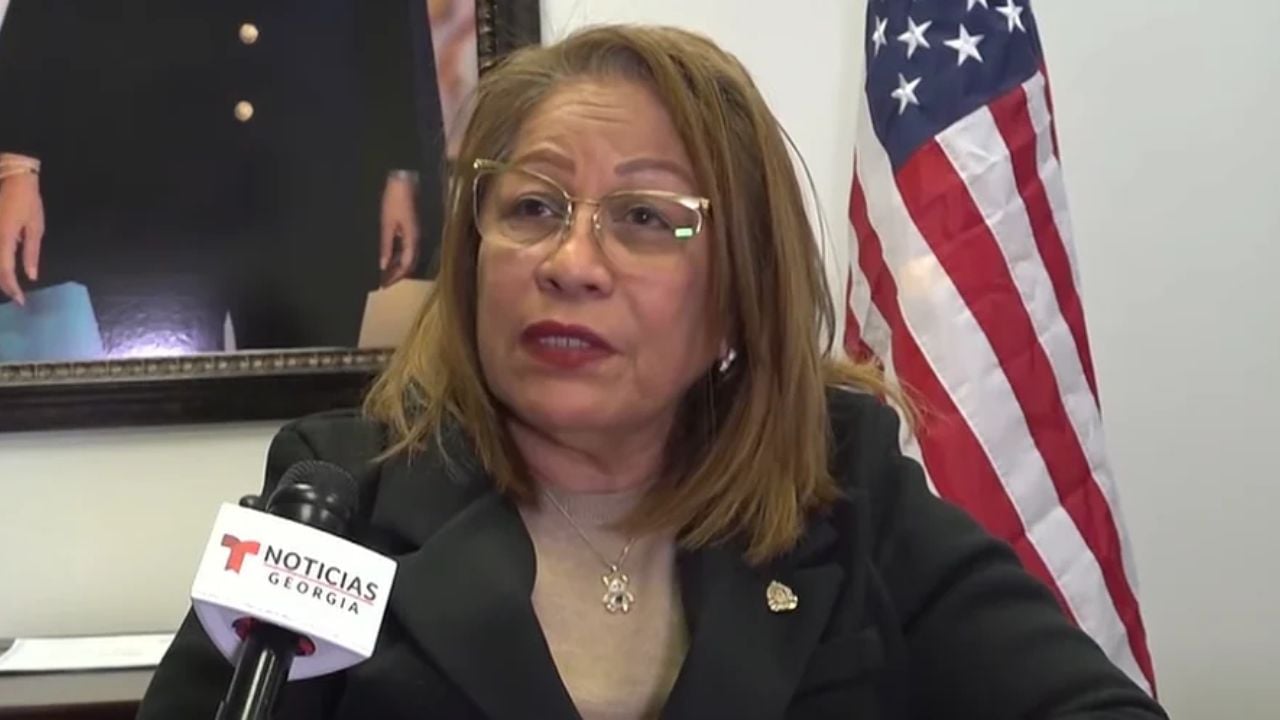
Ada Evila Serrano Nuñez, 72, allegedly collected more than $375,000 in bribes, according to the U.S. Attorney’s Office’s November 16 announcement. She led the consulate from July 2022 through March 2026, overseeing services including passports, travel documents and civil records.
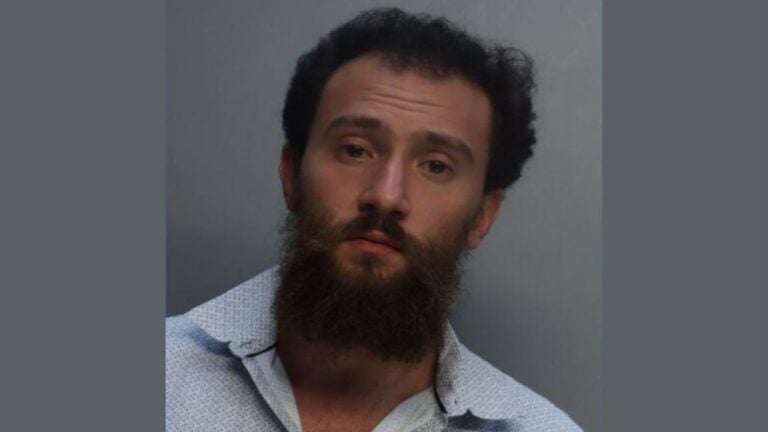
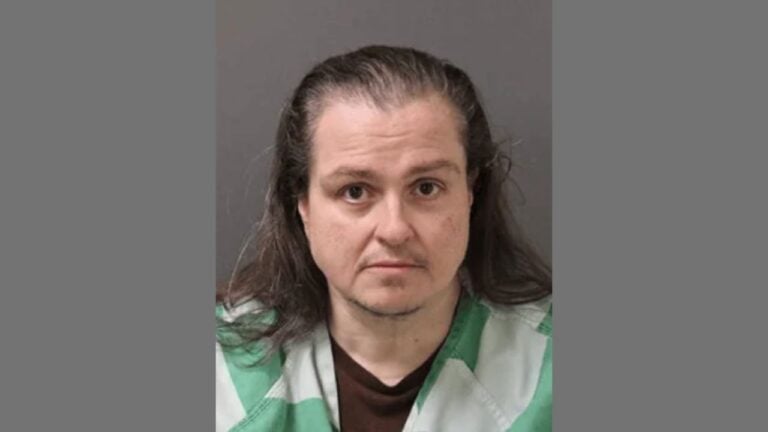
Serrano was arrested November 15, 2026, at Hartsfield-Jackson Atlanta International Airport. Her two adult sons and a former consulate employee were arrested the same day on a separate criminal complaint alleging a conspiracy to demand bribes.
Honduras’ foreign ministry said her appointment had been canceled March 24 during an administrative transition. In its response to the arrests, the ministry said it would conduct administrative checks related to the case and cooperate through the applicable legal channels.
Clients’ $300 Payments Included Transportation and Alleged Bribes
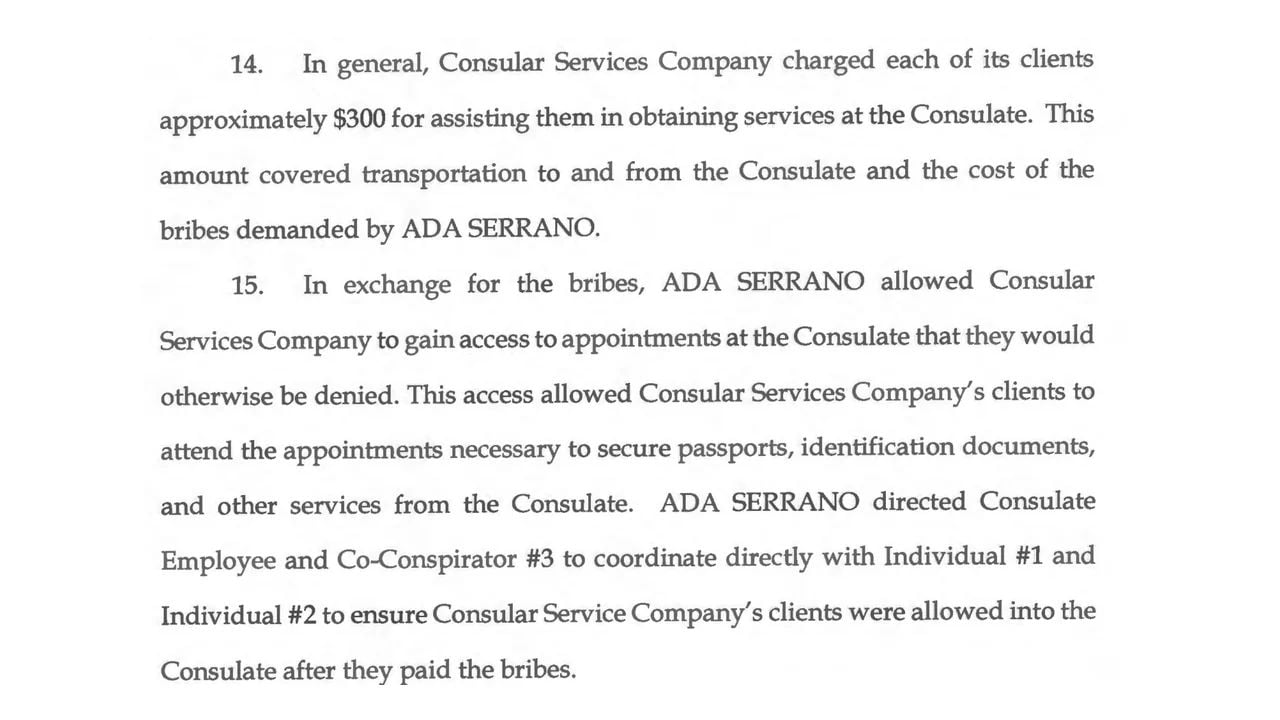
A four-page excerpt of Serrano’s September 1 indictment describes a company that scheduled consular appointments and transported clients between Tennessee and Atlanta. Before Serrano’s appointment, the company had not been required to pay consular employees to arrange access for its customers.
Beginning around July 2023, Serrano allegedly instructed an employee working as a security guard to demand a bribe for each person the company brought to the consulate. Prosecutors say the payments secured appointments that the company’s clients would otherwise be denied.
The company generally charged each client approximately $300, according to the indictment. That amount covered transportation and the cost of the demanded bribes, rather than representing the bribe alone. The appointments enabled customers to obtain passports, identification documents and other consular services.
An FBI Affidavit Describes Cash Deliveries to Her Sons
The criminal complaint and FBI affidavit naming Serrano’s sons and a former employee identifies Luis Euceda Serrano, Angel Euceda Serrano and Mario Antonio Castellanos Velazquez as participants. FBI Special Agent Joshua Berrios described different collection roles during the alleged operation.
An unnamed consulate employee allegedly collected bribes from approximately July 2023 through December 2024. Castellanos allegedly handled collections from approximately January 2025 through March 2026.
During the earlier period, Serrano allegedly directed the employee to give most of the cash to her sons. The affidavit says they deposited amounts ranging from $100 to $6,000 into personal accounts that they also used in connection with their businesses. Some payments went directly to Serrano.
The affidavit identifies an approximately $4,000 delivery to Angel on August 9, 2024. It also describes October 18 telephone conversations in which an employee discussed having approximately $4,900 to deliver and sought instructions through the sons about what to do with it.
A 15-Appointment Limit and Warnings About Hidden Microphones
Prosecutors allege Serrano tried to avoid detection by limiting the company to 15 appointments a day and using encrypted messaging applications. The indictment describes an October 9, 2023 meeting at her home with her sons and a consulate employee.
According to the filing’s translation from Spanish, Serrano warned about possible cameras and said: “I want to check under my desk because that’s where they put the microphones.” She also discussed covering vents because she suspected cameras might be concealed there.
The FBI affidavit describes a December 22, 2024 WhatsApp message and voice note in which Serrano said she tracked the appointments. It alleges that she instructed the employee to set aside $2,000 for her to collect when she arrived.
DOJ Calls This the First Foreign Extortion Prevention Act Prosecution
The Justice Department described the case as its first prosecution under the Foreign Extortion Prevention Act, which criminalizes certain corrupt demands for payments by foreign officials. Its national announcement identifies three counts against Serrano: conspiracy to violate the law, a substantive violation and conspiracy to commit money laundering.
A grand jury returned Serrano’s indictment September 1, and it was unsealed after her arrest. Her sons and Castellanos were charged separately with conspiring to violate the Foreign Extortion Prevention Act.
Serrano was arraigned November 16 before U.S. Magistrate Judge Regina D. Cannon, while the other three defendants had their initial appearances. DOJ said all four were detained pending further proceedings as of that announcement. All are presumed innocent unless proven guilty.
Verify Official Charges Before Paying for Consular Access
Honduras’ foreign ministry said access to official consular appointments must not be conditioned on improper payments. Applicants can use the government’s official appointment portal and confirm service charges directly with the consulate. Ask any transportation or document-assistance business to itemize its own charges separately from government fees.
Preserve payment records and messages if someone demands unofficial cash to secure an appointment. The Justice Department accepts reports of suspected foreign-official bribery at FCPA.Fraud@usdoj.gov, and information can also be submitted through the FBI’s online tip portal.