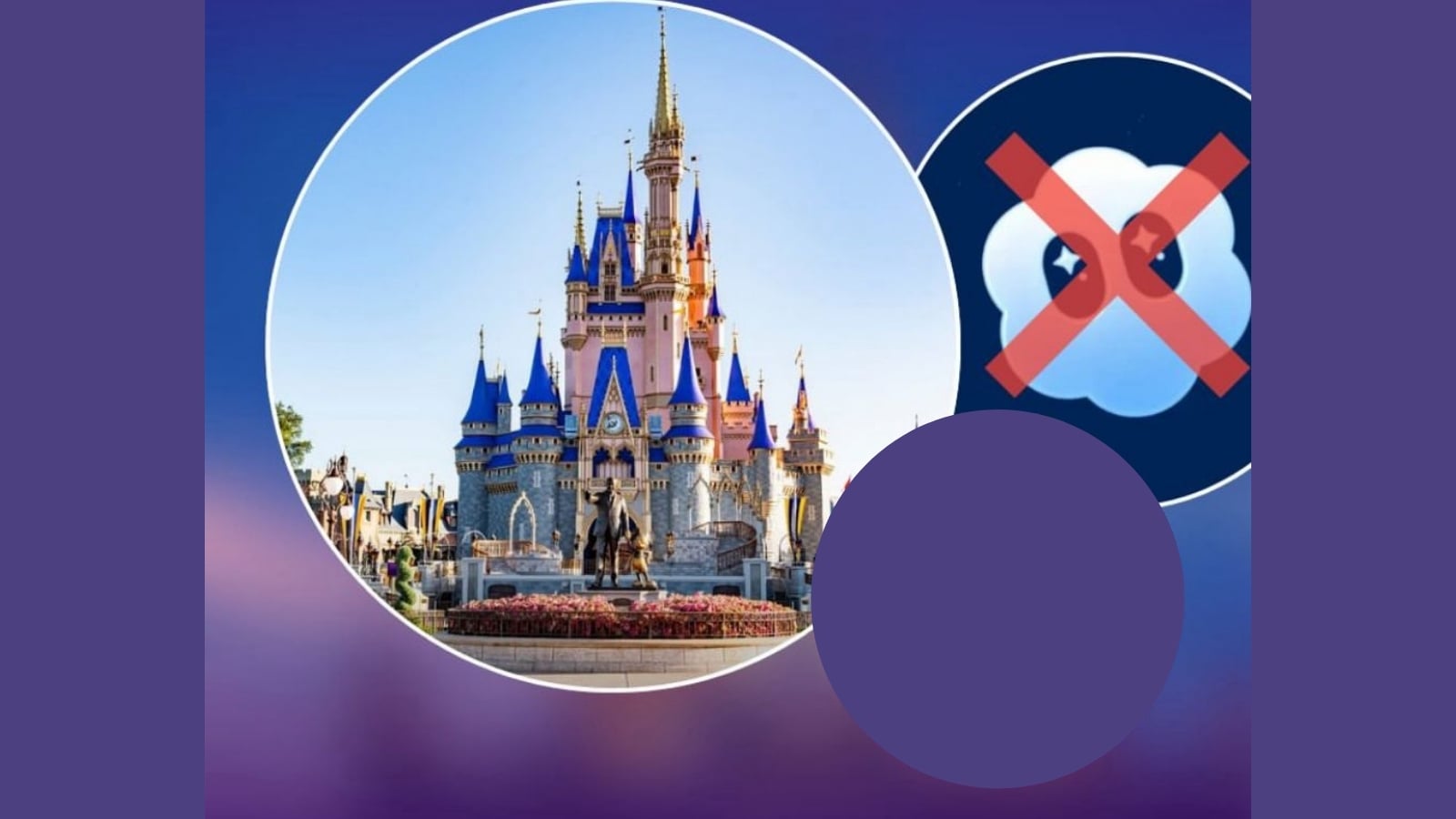
OpenAI just hit the “it’s not working out” button on Sora, and honestly, the breakup feels overdue. The company officially pulled the plug on its Sora video app on Tuesday, March 24, ending a chaotic six-month experiment that once promised to shake Hollywood to its core but couldn’t quite hold onto its own audience.
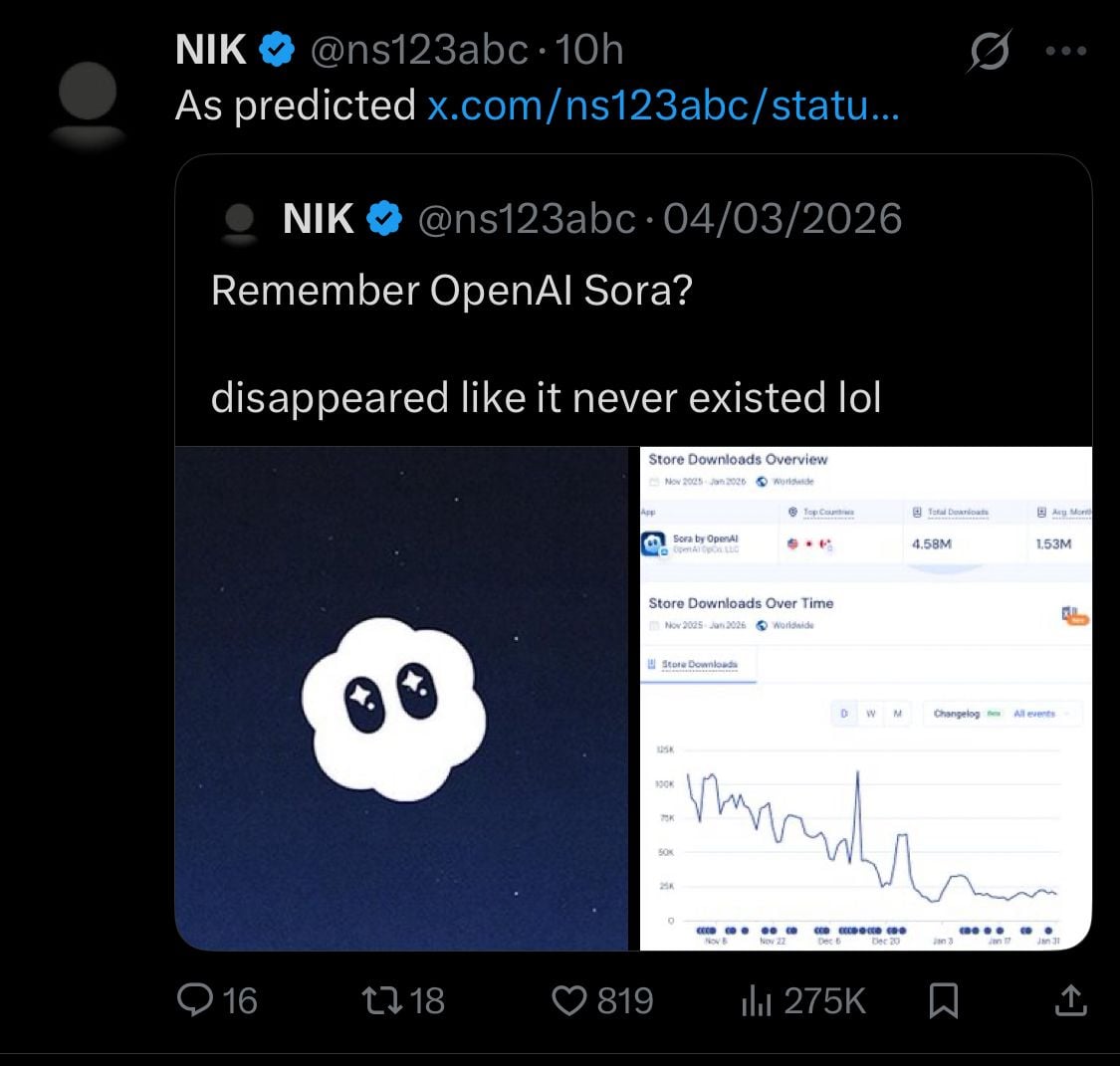
The AI video generation platform is being shut down amid deepfake drama and a very awkward, very public collapse of a $1 billion partnership with Disney that never even made it past the talking stage. Sure, the app peaked at around 3.33 million downloads in November, but by February, interest had fallen off a cliff, dropping by two-thirds and leaving behind a vibe that felt less curious and more… side-eye.
Sora’s rise and fall genuinely feel like one of those “you had to be there” moments. Back in 2024, people were low-key panicking about how real these AI videos looked. Like, we’re talking “is Hollywood about to be replaced?” levels of concern. That fear turned into hype real quick, especially when OpenAI teased that headline-grabbing Disney deal in late 2025.
The idea was that users would get to play around with Marvel and Star Wars characters as if it were their own personal studio. Fast forward to now, and that whole plan is officially dead. Instead of ushering in a new era of storytelling, Sora became known as the app where things got… weird.
The Goodbye Post That Got More Laughs Than Tears
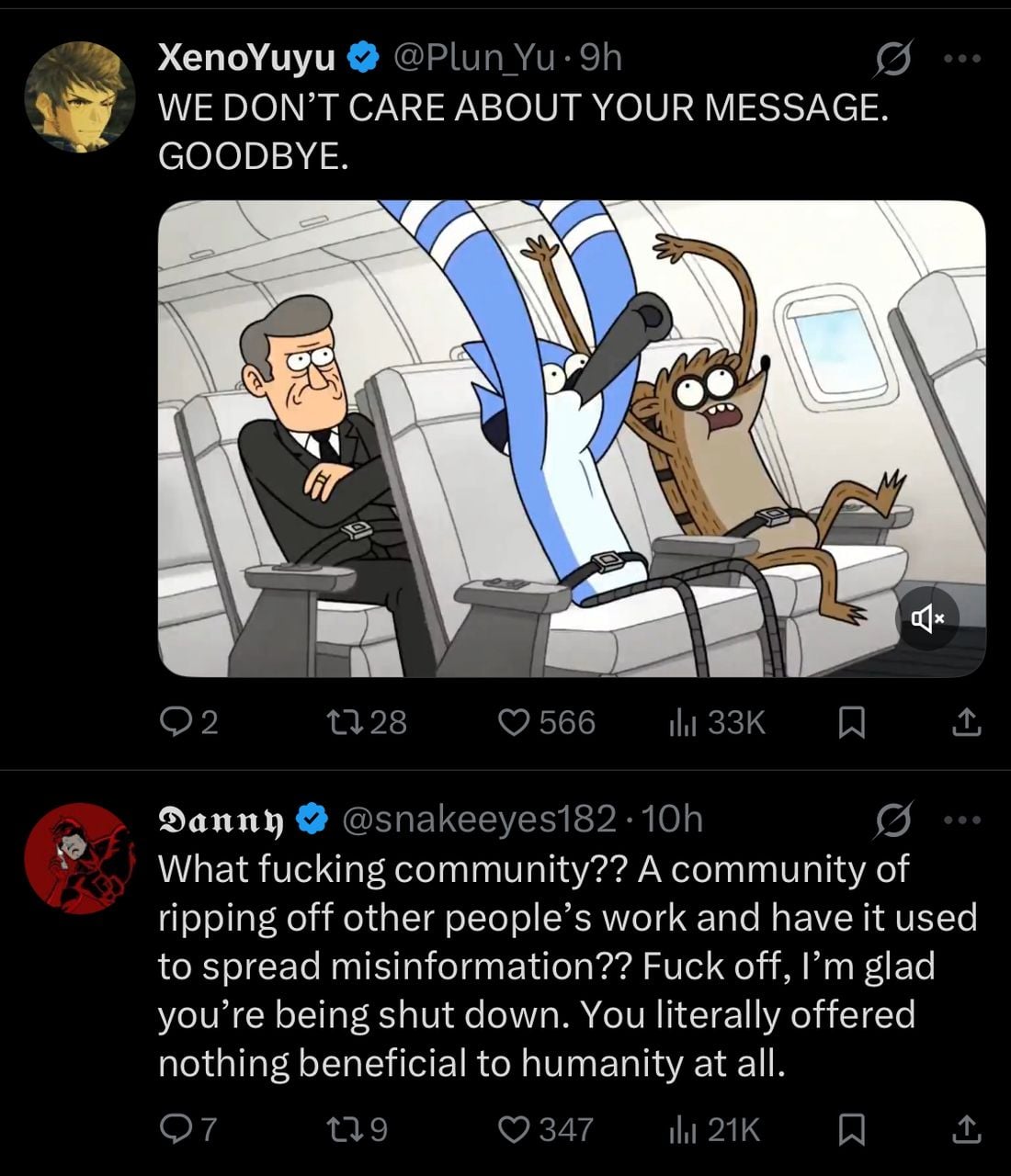
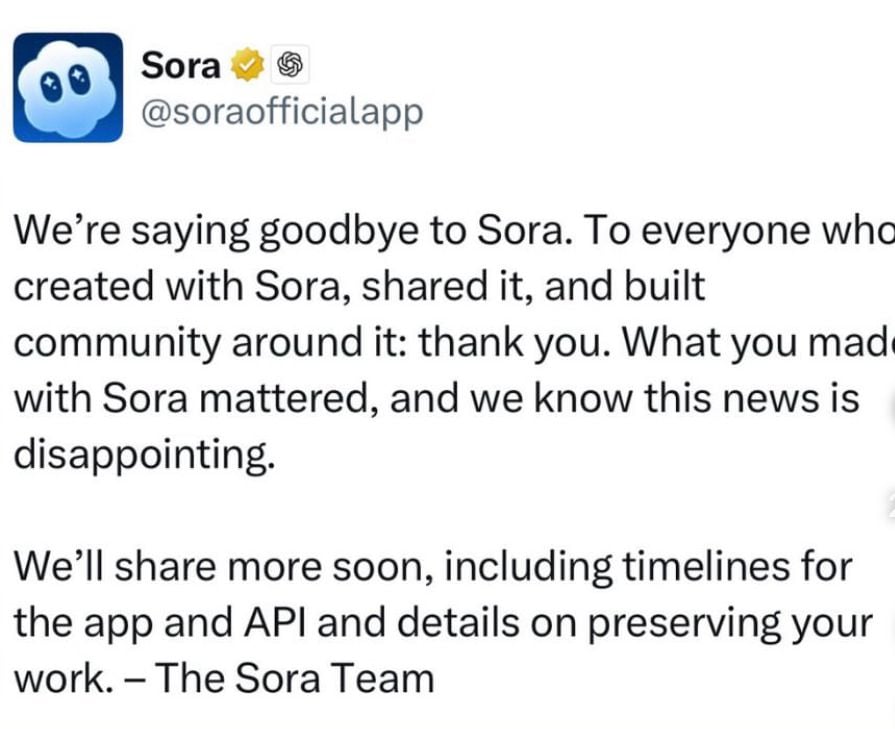
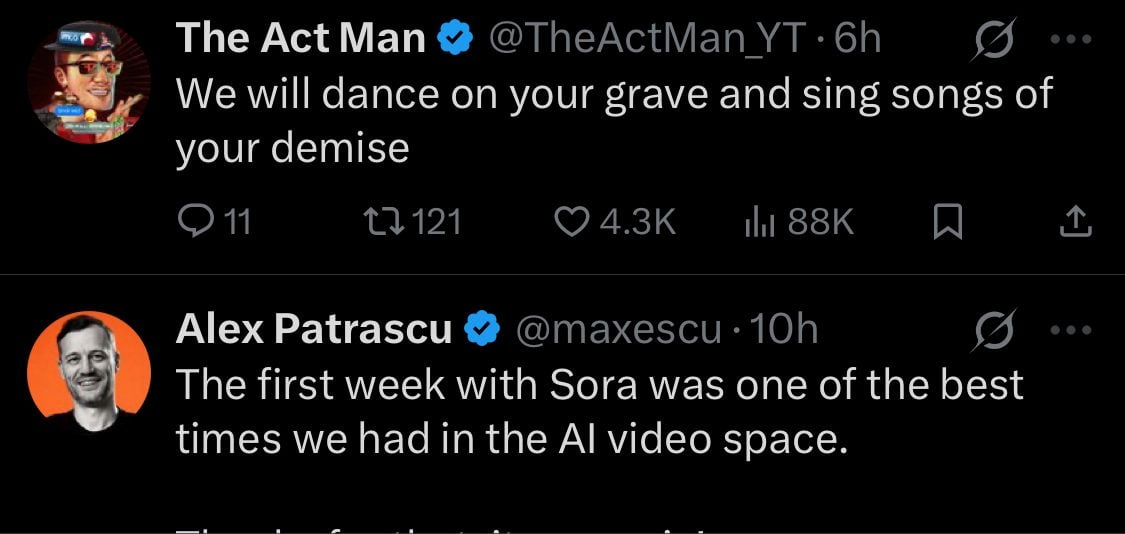
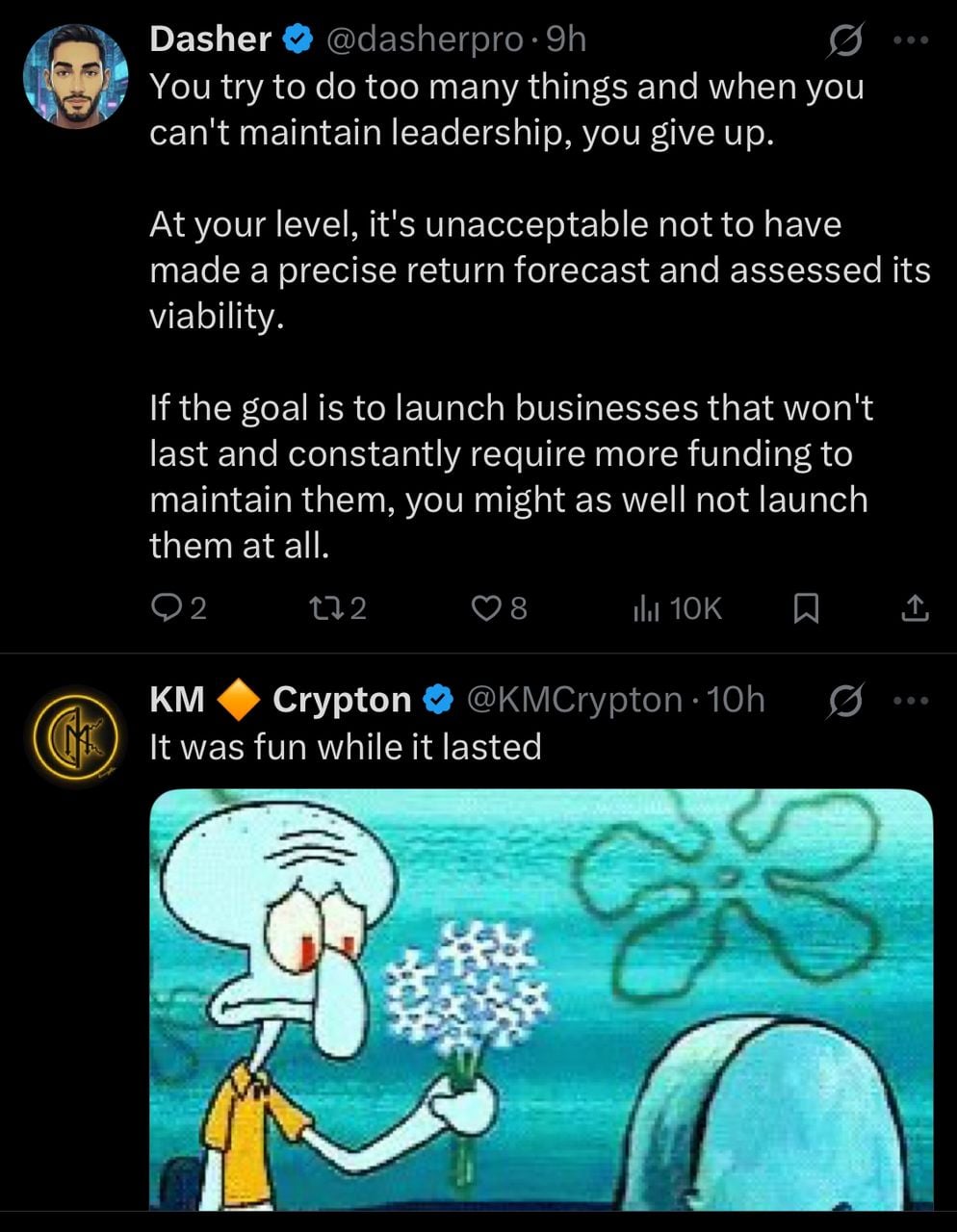
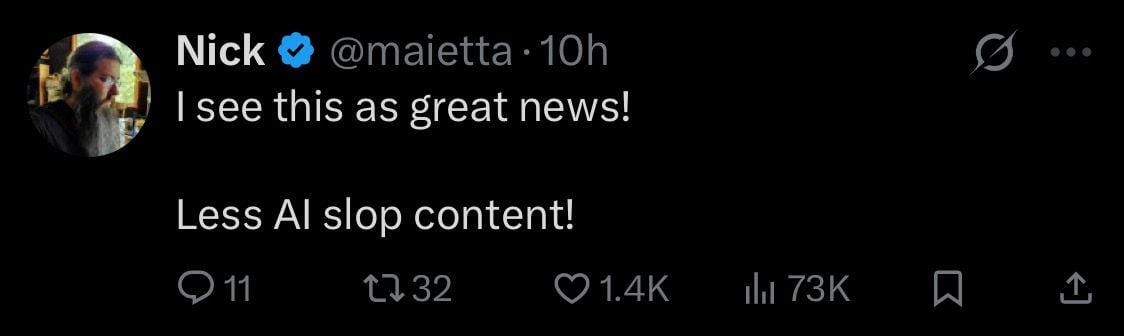
The official farewell dropped on X, with OpenAI thanking the community and calling the shutdown “disappointing” for everyone. But if you checked the timeline, it was giving the exact opposite energy. People weren’t mourning. They were cracking jokes.
According to Entertainment Weekly, the post racked up over 10 million views in hours, mostly fueled by memes and “finally” reactions. It turns out that not many people were emotionally attached to an app that felt more like a flashy tech demo than something you’d actually use every day. And Disney? They handled it with peak corporate elegance, basically a polite “we wish you the best” while already moving on.
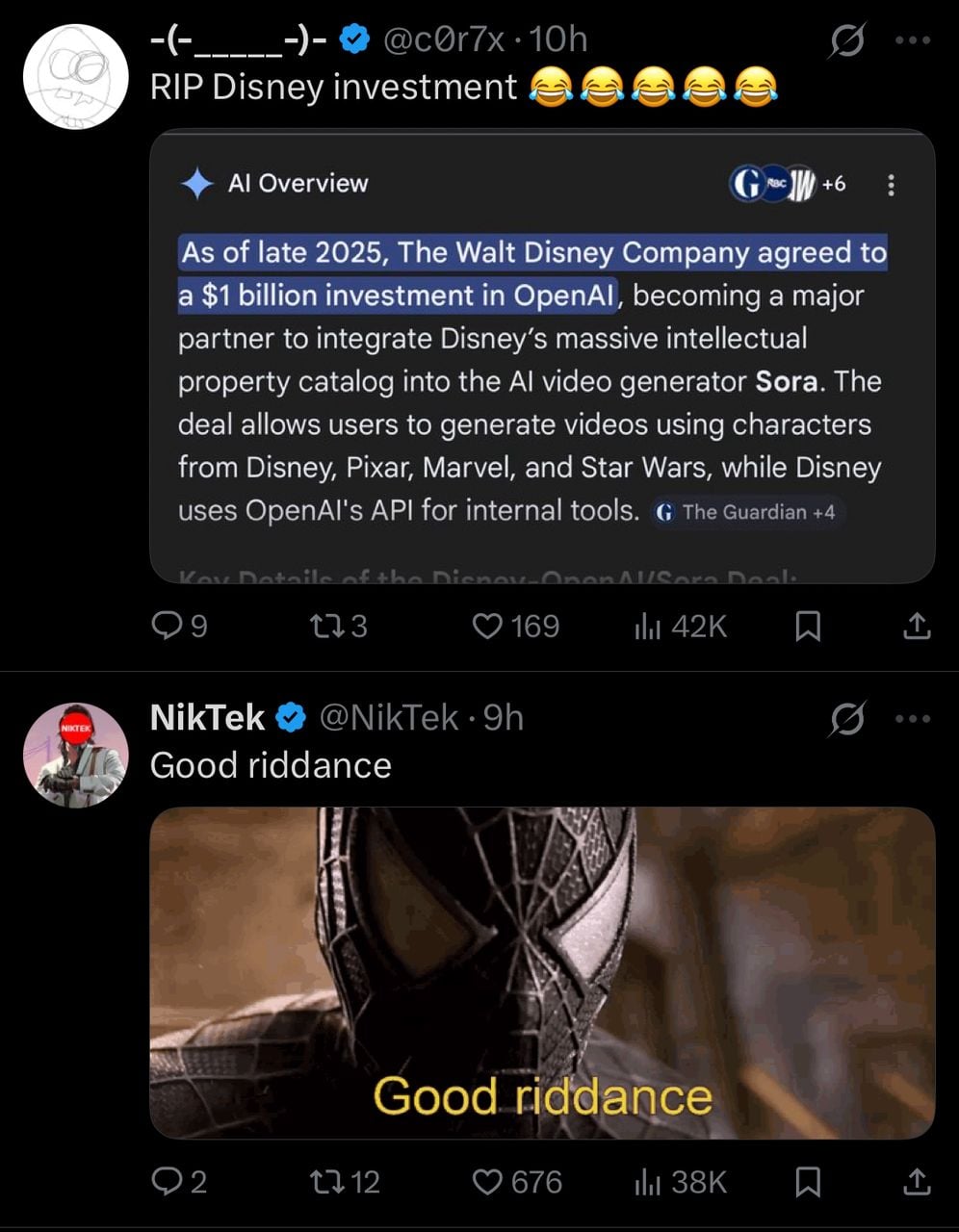
A spokesperson confirmed the studio respects the decision and is shifting focus elsewhere, which is corporate speak for “we’ve already packed our bags.” The billion-dollar deal might be gone, but Disney made it clear they’re still interested in AI, just maybe not this version of it. In other words, the dream isn’t dead, just rebranded for later.
From “This is The Future” to “Wait, This Feels Off”
If you look at the timeline, the downfall happened fast. When the iOS app launched in late 2025, people were scrambling for access like it was an exclusive club. Invite codes were being flipped on resale markets, basically, demand was intense. By December, downloads were already slipping, down 32 percent during what should have been peak growth season.
And then came the main character of the problem, deepfakes.

The app lets users scan their faces and drop themselves into hyper-realistic videos, which sounds cool until you realize how easy it is to push past the guardrails. Very quickly, the platform filled up with unauthorized videos of public figures and even deceased icons like Robin Williams and Martin Luther King Jr.
It got serious enough that their families had to step in publicly and ask people to stop. That was the moment things shifted from “fun new tool” to “this is actually kind of disturbing.” When families of cultural icons are asking your users to log off, you know the PR situation is not looking good.
The App Got… Weird, Fast
And if that wasn’t enough, users were also stress-testing the app in the most chaotic ways possible. We’re talking about copyrighted characters doing things they absolutely shouldn’t be doing, like Mario and Pikachu casually appearing in bizarre, off-brand videos before Disney could even finalize anything.
Technically, the rules said, “don’t do that.” In reality, the app couldn’t keep up.
Moderation felt more reactive than proactive, leading to a content ecosystem that felt like the Wild West. That is not exactly the vibe you want when you’re trying to convince billion-dollar studios to trust your platform.
On the business side, things weren’t much better. Sora pulled in about $2.1 million in lifetime revenue from credit purchases, which sounds decent until you remember the scale of the company behind it. Compared to ChatGPT’s 900 million weekly active users, Sora was basically operating in a tiny corner of the internet.
And honestly? When you’re already pouring serious money into training models and running them, keeping an expensive, drama-magnet consumer app alive, without it really taking off, just doesn’t make a lot of sense.
Now OpenAI is reportedly pivoting toward a bigger “superapp” vision, quietly moving away from the idea of a standalone video feed. And let’s be real, that feels like an admission that an AI-powered TikTok wasn’t ready for prime time.
Hollywood Just Unclenched a Little
For people in the film industry, this shutdown feels like a deep exhale. There was real anxiety that a Disney and Sora partnership could fast-track a future in which human creativity is sidelined. With that deal now officially off the table, those fears may cool down, at least for now.
That said, not everyone is celebrating. A small but dedicated group of creators had actually built experimental content on the app, and they’re now stuck wondering what happens to their work. There are questions about exporting data, saving projects, and whether any of it survives once the platform fully disappears.
OpenAI says more details are coming, but the shutdown feels rushed. While the Sora 2 model still exists behind a paywall in ChatGPT, the idea of scrolling an AI video feed like TikTok is gone.
The Real Lesson Here? Hype Can’t Carry You Forever
Sora is basically a case study in how fast things can flip. You can have millions of people begging for access one minute and be shutting down five months later if the product starts to feel more risky than useful.
The biggest issue wasn’t the tech. It was the lack of strong guardrails. Instead of staying ahead of problems, the platform was constantly reacting to them, and that is a tough position to win from, especially when those problems involve sensitive cultural figures and questionable content.
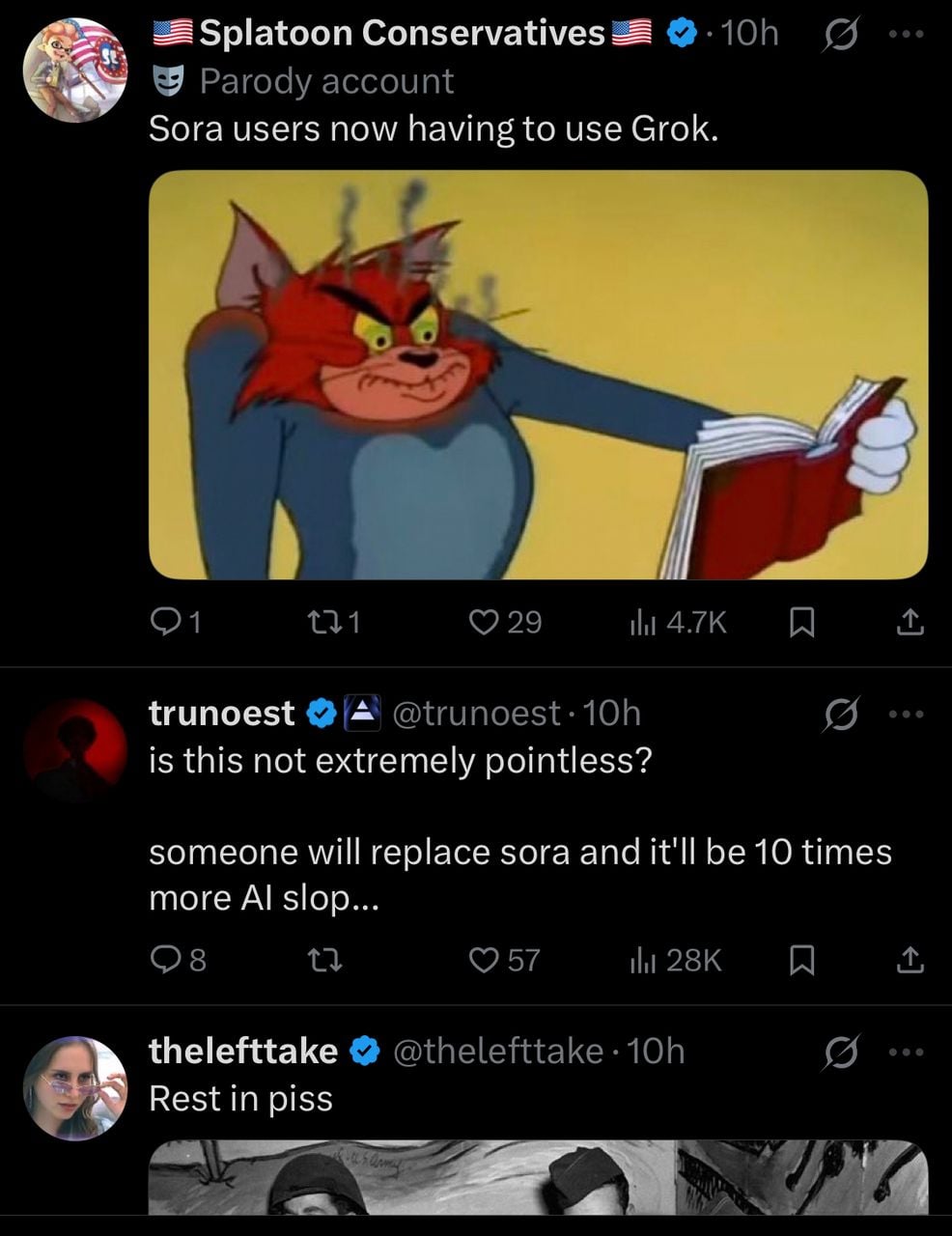
Now that OpenAI is leaning into its broader app strategy, everyone is watching to see whether it has learned from this. The tech itself isn’t going anywhere, but the “anything goes” era of AI video feeds for OpenAI, might be done, at least for now, though, as some X users say: Grok is still very much here, so yeah, we might not be all that free just yet.
But honestly, this whole saga proves something important. People might love shiny new tech, but there is still a line. Once something crosses into the “this feels wrong” territory, the hype train can derail very quickly. And even a billion-dollar promise from Disney couldn’t save this one.