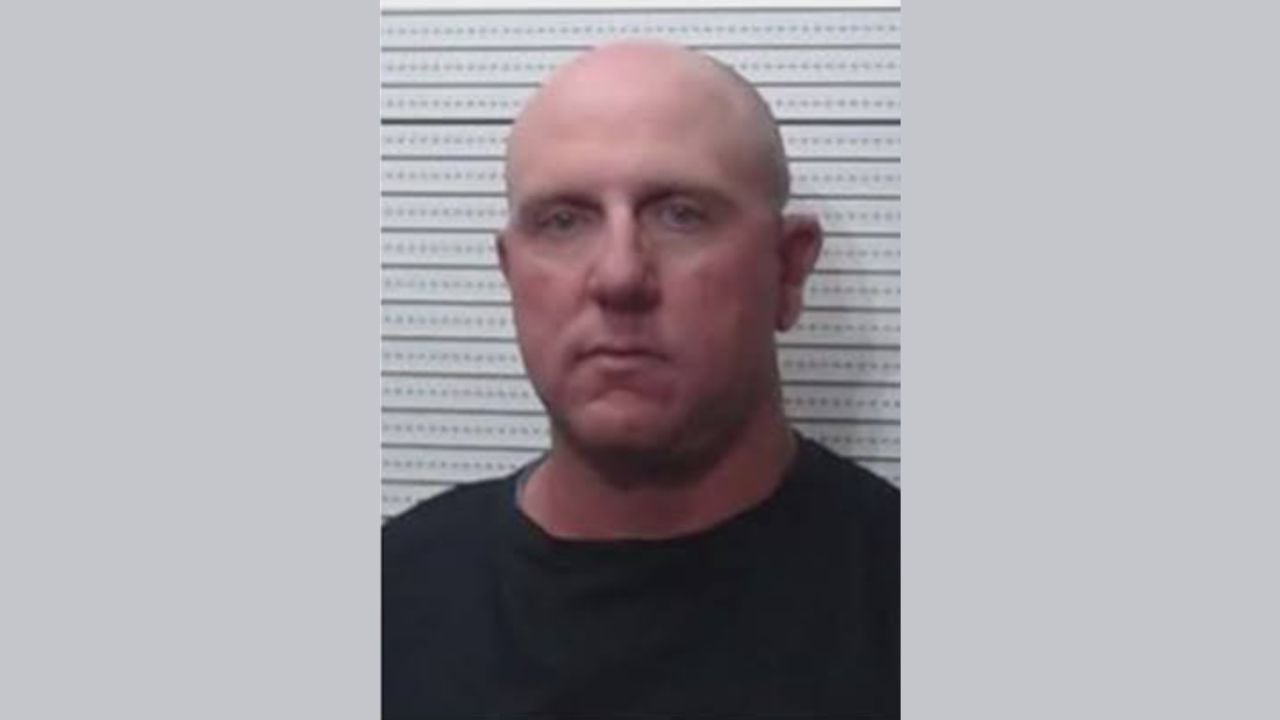
A Texas man who convinced people that he was about to receive $10 million from a trust has been sentenced to 25 years in prison after a fraud scheme that cost victims approximately $360,000.
Victor Paul Smith, 43, of Whitewright, used paperwork to persuade people that a multimillion-dollar payout was coming and that money or goods they provided him would be repaid, according to Grayson County District Attorney John Kermit Hill.
Smith’s promises were convincing enough that people loaned him tens of thousands of dollars, businesses provided him with goods and dealerships even allowed him to drive away with new vehicles without paying.
One woman gave Smith about $70,000 after he promised she would receive $250,000 back within a matter of weeks, according to KXII. Instead, the scheme continued until authorities intervened.
He Claimed a $10 Million Trust Payment Was Coming

Hill said Smith relied on paperwork to make his story appear credible. He represented that he was owed $10 million from a trust and used the expected payment to convince people they could safely give him money or property.
Smith convinced people to buy furniture for him and obtained a fishing tour without paying while promising that money was coming. He also persuaded two car dealerships to let him leave with new vehicles without paying for them, Hill said.
The claimed trust payment provided the explanation for why Smith supposedly did not have the money immediately while also offering victims a reason to believe repayment would soon be easy.
One Woman Gave Him $70,000 for a Promised $250,000 Return
Smith targeted people who had money available and who could be persuaded by his story, according to Hill. His victims included community leaders and a police officer.
One of the largest individual examples involved a woman who loaned Smith approximately $70,000. He promised that she would receive $250,000 within a couple of weeks. The promised payoff never arrived.
Hill said Smith prolonged the scheme by repeatedly asking victims to give him another week or two while they waited for the money he claimed was coming.
Police Said He Met Some Victims Through Youth Sports
Smith came under investigation after complaints reached the Denison Police Department. Earlier reporting said investigators learned that he had taken money from people he met while working as a youth sports official over a period of several years.
Police said Smith promised victims substantially more money in the future even though he could not or did not intend to repay what they gave him. Authorities also said he sometimes wrote checks that could not be honored.
Smith was arrested in September 2025 on a theft allegation involving more than $300,000. By the time of sentencing, Hill put the amount tied to the scheme at approximately $360,000.
Smith was sentenced on Aug. 19 to 25 years in prison for the fraud scheme. The prosecutor also said victims are unlikely to recover their money. According to Hill, it does not appear that restitution will ever actually be paid in the case.
The district attorney used the case to emphasize that fraud victims do not fit a single stereotype. He said educated and hardworking people can still be deceived when someone presents a convincing story, produces documents that appear legitimate and promises an unusually lucrative payoff.
Verify a Promised Windfall Before Lending Money Against It
Someone claiming that a trust, inheritance, settlement or other large payment is about to arrive should be able to withstand independent verification before another person risks substantial money based on that promise.
Paperwork supplied by the person asking for money should not be treated as sufficient proof by itself. If a repayment supposedly depends on a trust, potential lenders can ask for independently verifiable information about the trustee, attorney or financial institution involved and contact that organization through a phone number or website they locate themselves.
A promise of an unusually large return in a very short time deserves additional scrutiny. The Federal Trade Commission warns that promises of big or guaranteed profits are a common fraud warning sign and recommends getting details in writing and independently researching claims before providing money.
If repeated requests for another week or another payment replace the promised repayment date, stop advancing additional money and reassess the entire arrangement. Anyone who believes fabricated documents or false promises are being used to obtain money or property should preserve contracts, checks, messages and other records and report suspected fraud to local law enforcement and the FTC through ReportFraud.ftc.gov.