A Connecticut man’s wife received a disturbing call from a New York hospital in January 2023. A doctor told her that her husband was in intensive care, but the patient was not actually her husband.
That call became a major clue in an investigation into an unauthorized $100,000 transfer from the Darien man’s savings account.
Police say the hospital patient had been admitted under the victim’s name, date of birth and address and was carrying a counterfeit Connecticut driver’s license containing the same information but a different photograph.
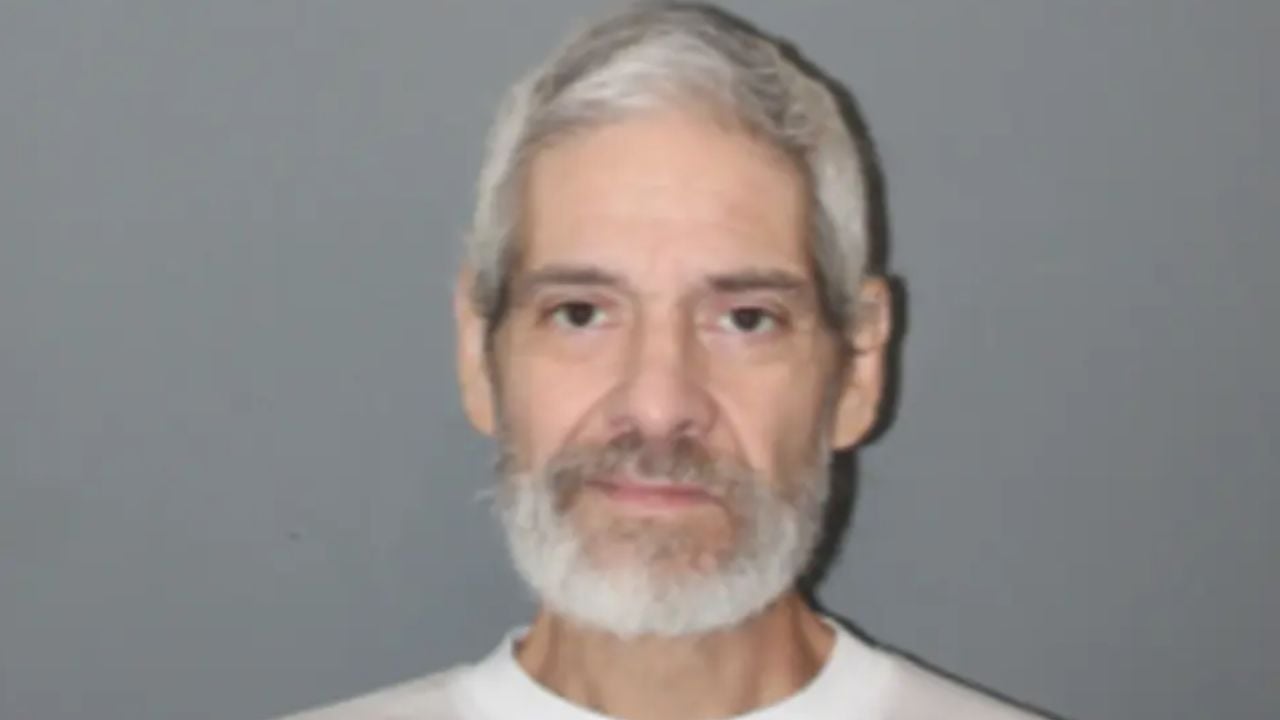
Investigators eventually identified the man as Cary Lee Kleiner, 54, of Boston. He now faces first-degree larceny, first-degree identity theft and related conspiracy charges in connection with the missing money, according to CT Insider.
Kleiner was arrested more than three years after the investigation began. The warrant describes how detectives followed the fake identification, a fraudulent business account, bank records and surveillance footage as they worked backward from the $100,000 transfer.
The $100,000 Went to a Fraudulent Business Account
The victim discovered an unauthorized electronic transfer from his savings account on January 3, 2023. The transaction had occurred on December 30, 2022, and moved approximately $100,000 into an unfamiliar business account, according to the arrest warrant.
Investigators determined that the receiving account had been opened for a fraudulent New York limited liability company that listed the Darien victim as its registered agent. Police said Kleiner had obtained the man’s personal identifying information and used the stolen identity as part of establishing the business and bank account.
The fraudulent account was then linked to the victim’s legitimate account, allowing the $100,000 to be transferred out, investigators say. Authorities believe other people participated in withdrawing and dispersing the money.
The Hospital Call Gave Police a Photograph to Follow
The same day the victim discovered the transfer, his wife received an unexpected telephone call from NewYork-Presbyterian Hospital. A physician told her that a patient registered under her husband’s name, birth date and home address was in the intensive care unit.
Her real husband was not the patient. Detectives contacted the hospital and later obtained a copy of the Connecticut driver’s license that had been in the patient’s possession. The license contained the Darien man’s identifying information but showed a photograph of someone else. Once the hospital patient was able to communicate with staff, he identified himself as Cary Kleiner, according to the warrant.
Bank Surveillance Allegedly Connected Kleiner to the Account
Investigators later obtained surveillance footage from the bank where the business account receiving the $100,000 had been opened. Police said the person shown opening the account matched both the photograph on the counterfeit driver’s license recovered through the hospital investigation and a previous booking photograph of Kleiner.
That evidence helped detectives connect the man who had allegedly used the victim’s identity at the hospital with the account that received the unauthorized transfer. Police also reviewed banking records to determine what happened to the money after it entered the business account.
More Than $14,500 Was Converted Into Money Orders
Bank records showed that more than $14,500 from the transferred funds was used to purchase money orders at several Stop & Shop locations in Westchester County, New York, during January 2023.
Surveillance video from two stores showed another person making the purchases, according to the warrant. Investigators described that person as an unidentified conspirator.
The records and surveillance footage provided another part of the alleged money trail, showing how some of the $100,000 was moved after reaching the fraudulent account.
He Was Arrested More Than Three Years Later
Darien police said Kleiner was apprehended in Salem, Massachusetts, on July 5 as a fugitive from justice. He waived extradition, and Darien detectives took custody of him on July 21. Kleiner is charged with first-degree larceny, conspiracy to commit first-degree larceny, first-degree identity theft and conspiracy to commit identity theft.
Current court records cited by CT Insider show that he remains held on a $250,000 bond, with a plea hearing scheduled for September 4. An earlier police report listed a $500,000 court-set bond shortly after his arrest, but the more recent court records show the current amount as $250,000.
No plea, conviction or final resolution has been reported. The charges are allegations, and Kleiner is presumed innocent unless proven guilty.
Identity Theft Can Extend Beyond a Credit Report
Someone whose identity has been used to create a bank account or business should contact the financial institution’s fraud department immediately and report every account or transfer they did not authorize. The Federal Trade Commission recommends reviewing bank statements and credit reports for unfamiliar activity and placing free credit freezes with Equifax, Experian and TransUnion when identity theft is suspected.
A traditional credit report may not reveal every checking or deposit account opened using stolen information. The Consumer Financial Protection Bureau explains that consumers can also request reports from specialty checking-account reporting companies and dispute accounts or information they do not recognize.
Victims should preserve bank records, copies of fraudulent identification, business documents, emails and other evidence and report the identity theft through IdentityTheft.gov, which provides a recovery plan for disputing fraudulent activity.