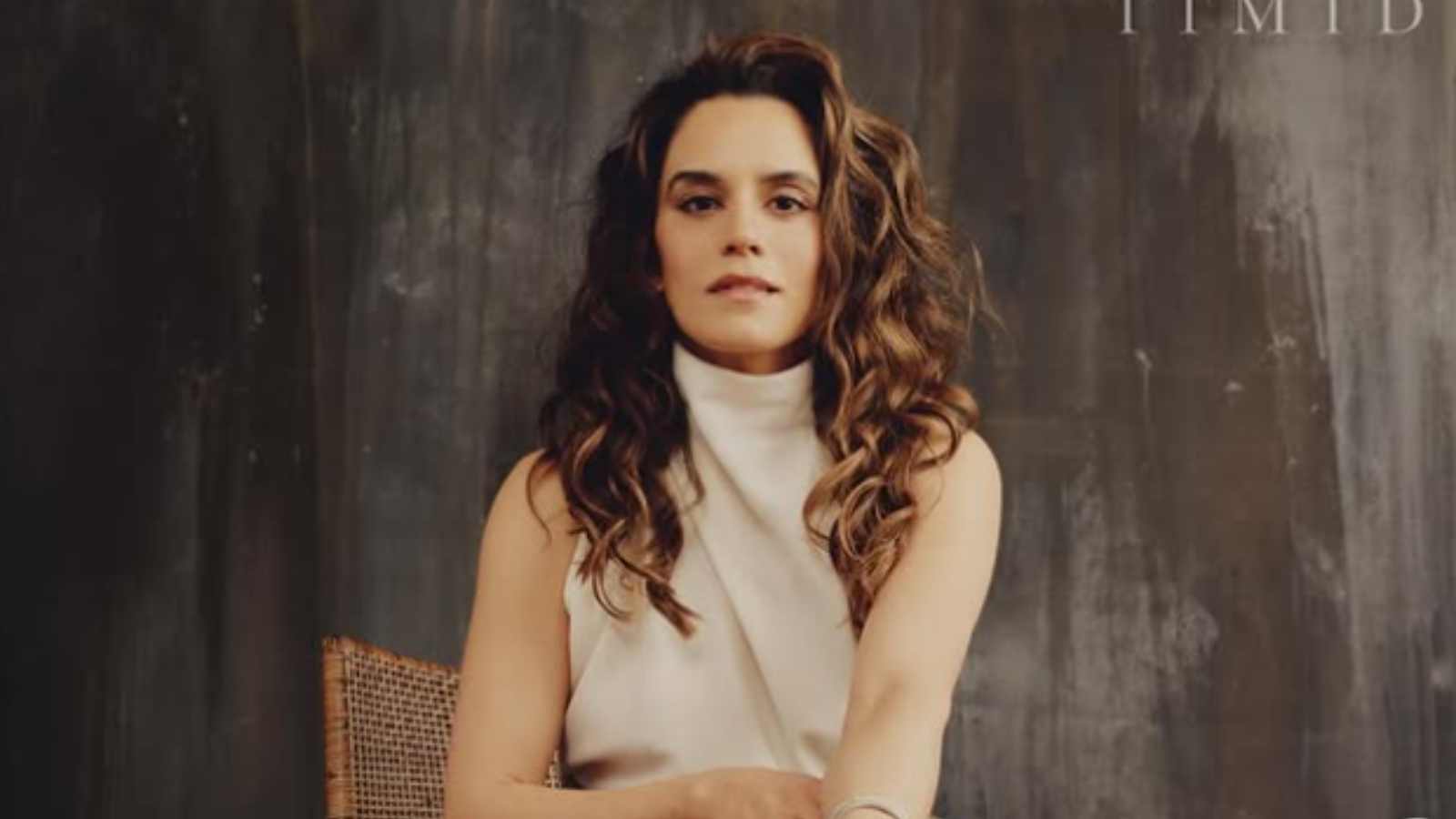
There is a specific kind of silence that falls over a room when an actor says “no” to a career-making opportunity. It’s not the silence of a missed cue or a forgotten line; it’s the heavy, pressurized quiet of an industry that expects gratitude over agency. For Sepideh Moafi, that silence has become her sanctuary.
We’ve seen her command the screen in The L Word: Generation Q, The Deuce, and most recently, the hauntingly brilliant Black Bird. But behind the high-fashion red carpet looks and the flawless delivery of complex dialogue lies a woman who spent years being told that her “Middle Eastern-ness” was a commodity to be diluted, packaged, and sold, but only if it fit a very specific, very narrow box.
“I Said No” isn’t just a quote for The Pitt’s Moafi; it’s a manifesto. In a landscape that often demands performers of color trade their heritage for “palatability,” Moafi’s refusal to erase her identity is a masterclass in professional integrity that the rest of Hollywood is finally starting to study.
The Architecture of Erasure
To understand why Moafi’s stance is so radical, you have to understand the subtle “shaving down” of identity that happens in casting offices. It’s rarely a demand to change a name, though that still happens, but rather a series of micro-adjustments. Can you tone down the accent? Can you look less “ethnic” for this lead role? Can we make your character’s background more “ambiguous”?
Moafi has been vocal about the “palatability” trap. Early in her career, the pressure to conform was immense. The industry’s standard operating procedure was to take actors from diverse backgrounds and scrub away the specifics of their heritage to make them more “relatable” to a perceived “Middle American” audience.
But Moafi realized early on that erasing the specifics erases the soul of the performance. Her Iranian heritage isn’t just a demographic checkmark; it’s the lens through which she views the world. By saying no to roles that required her to be a “neutral” version of herself, she wasn’t just being difficult… she was being an artist.
Beyond the “Terrorist or Victim” Binary
For decades, actors of SWANA (South West Asian and North African) descent were relegated to the “Two Pillars of Hollywood Casting”: the villain or the victim. You were either the threat or the person being saved by the Western protagonist.
What makes Moafi’s trajectory fascinating is how she navigated the “in-between.” Even when she played characters where her ethnicity wasn’t the central plot point, she refused to let it be ignored. In Black Bird, playing FBI agent Lauren McCauley,
Moafi brought a level of gravitas that felt rooted in a real-world perspective. She didn’t play a “diverse FBI agent”; she played a brilliant woman who happened to navigate the world with a specific cultural history.
Data from the UCLA Hollywood Diversity Report suggests that while “on-screen” representation is increasing, the “quality” of that representation, as measured by character depth and the absence of stereotypes, lags behind. Moafi is part of a small, elite group of actors who are closing that gap by demanding that their characters have the same internal complexity as their white counterparts.
The Secret History- The 1979 Shadow

Here is something most fans don’t realize: Moafi’s relationship with identity is deeply tied to the history of the Iranian Diaspora. Born in a refugee camp in Regensburg, Germany, after her parents fled the Iranian Revolution, her very existence is a testament to resilience against erasure.
When Hollywood asks her to “soften” her identity, they aren’t just asking for a wardrobe change; they are asking her to ignore the history of her own birth. This isn’t just “industry pressure”; for Moafi, it’s a second displacement.
This context changes the “fun, lighthearted” entertainment news cycle into something much more profound. Her career is a reclamation of the space her family was forced to leave behind.
Is the “Authenticity” Movement Creating a New Cage?
Now, let’s get into the part that usually starts the heated debates in the comments section. We are currently living in the “Golden Age of Authenticity,” where the demand for lived-experience casting is at an all-time high.
But there is a careful question we need to ask: By focusing so intensely on “identity,” are we inadvertently limiting actors like Moafi even further?
If we insist that Sepideh Moafi, or any actor of color, must only play roles that lean into their specific heritage to be “authentic,” aren’t we just building a new, prettier cage? The ultimate goal of representation shouldn’t be that an Iranian-American actress always gets to talk about being Iranian-American.
The ultimate goal should be “Identity Agnosticism,” where Moafi can be cast as a Shakespearean queen, a futuristic cyborg, or a suburban mom in Ohio without her heritage being the “reason” she’s in the room, yet without being asked to hide it.
There is a danger that the industry’s current “obsession” with identity is becoming a new form of typecasting. We see it all the time: an actor speaks out about their heritage, and suddenly, they are only sent scripts that deal with that specific trauma or culture.
Moafi’s “No” is powerful because it’s a two-way street. She says “no” to erasing her identity, but she also implicitly says “no” to being defined entirely by it.
The Ripple Effect
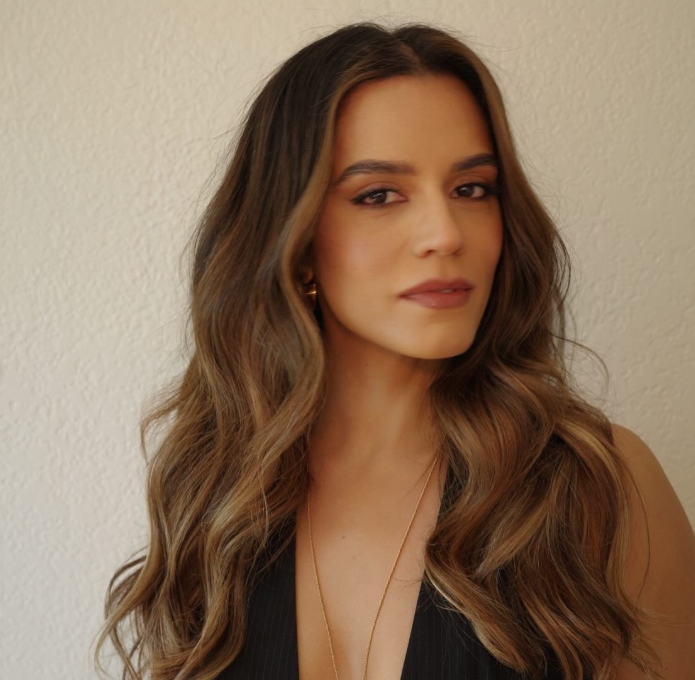
Moafi’s refusal to shrink herself has had a tangible impact on the industry’s “middle management,” the casting directors and showrunners who actually pull the levers of power.
When an actress of her caliber stands her ground, it creates a precedent. It makes it easier for the next actress of SWANA descent to say, “I’d like to keep my natural hair texture for this role,” or “My character wouldn’t use this specific phrasing.”
She’s also part of a larger movement of Middle Eastern artists, like Ramy Youssef and May Calamawy, who are deconstructing the Western gaze. They aren’t asking for permission anymore; they are simply showing up as their full selves and letting the industry catch up.
Why We Should Care
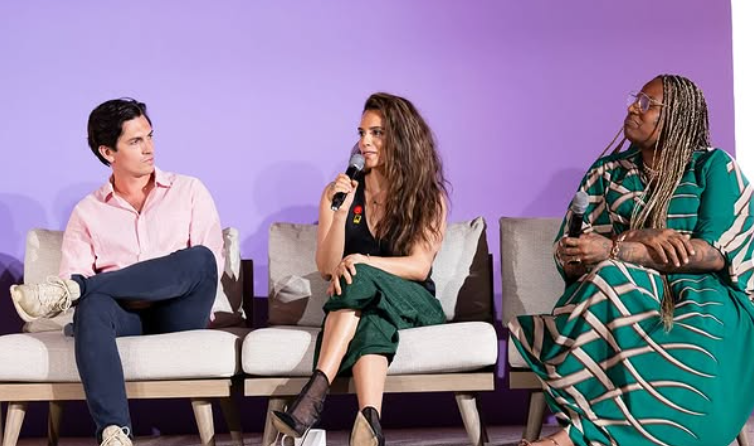
At the end of the day, Sepideh Moafi isn’t just fighting for herself. She’s fighting for the viewer. When an actor is forced to “erase” their identity, the audience gets a diluted, bland, and ultimately boring version of a story. We lose the textures of reality.
Moafi’s career is a reminder that the most interesting thing about a person is often the very thing the “system” wants them to hide. Her fashion choices… often bold, structured, and unapologetic, mirror her career choices. She is here to be seen, not just watched.
As she moves into the next phase of her career, with more producing and directing on the horizon, the industry’s “pressure” seems to be losing its grip. Because once you’ve said “no” to the biggest power players in town and survived… and thrived, their power over you evaporates.
Sepideh Moafi didn’t just save her identity; she saved her art. And Hollywood is much better for it.