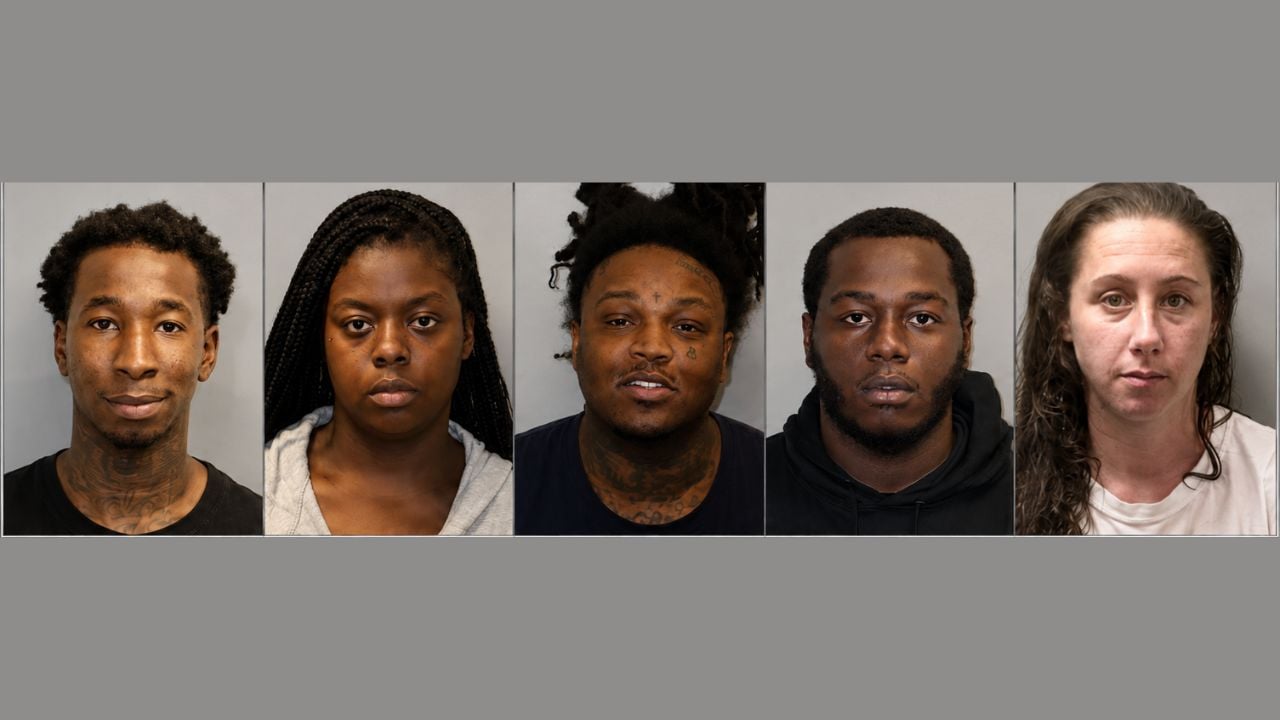
A Florida check-fraud investigation has now produced six arrests after authorities say photographs of checks payable to a state agency were circulated among a group and used to manufacture fraudulent checks for deposit into other people’s bank accounts.
Ivan Crummie is the latest person arrested in the Tallahassee case, which investigators say operated between November 2022 and March 2023.
Court records put the combined value of all checks involved at $905,614. Crummie faces multiple charges, including aggravated white-collar crime, money laundering and organized scheme to defraud.
According to WCTV, investigators found messages connecting Crummie with other defendants and dozens of photographs of checks that authorities say fed the wider operation.
Photos of State Checks Were Used to Create Fakes
The scheme centered on checks payable to the Florida Department of Financial Services. Investigators say members of the group received photographs of legitimate checks and used the information to create fraudulent versions that could be deposited into various bank accounts.
The alleged source of at least part of that information was Olivia Rowls, a former DFS employee. WCTV previously reported that arrest papers say Rowls admitted photographing checks sent to DFS and forwarding the images to a man she knew was involved in fraud.
According to the arrest records, Rowls said she believed she would be paid for providing the check photographs. Investigators say the images were then passed to Martin Monroe and another man, who allegedly created fake checks and cashed or deposited them using other people’s bank accounts.
Court documents say messages between Crummie and Dequan Denson contained approximately 76 photographs of checks. Denson had already been arrested in February in connection with the same investigation. Investigators also found communications between Crummie and Monroe discussing images of fraudulent checks and personal identifying information, according to WCTV’s review of the arrest records.
A Traffic Stop Produced a Printer and Blank Checks
Denson’s arrest provided investigators with additional evidence of how fraudulent checks could allegedly be produced. WCTV reported that a search of Denson’s vehicle following a traffic stop uncovered a printer, a pack of blank checks and credit cards bearing other people’s names.
Court records said Denson’s phone contained photographs of approximately 45 checks associated with the wider investigation. He was charged with 45 counts of use of personal identification information, conspiracy to use the personal identification information of more than 30 people and unlawful use of a two-way communication device.
Six People Have Now Been Arrested
Crummie’s arrest brings the number of defendants taken into custody in the case to six. Along with Crummie, authorities have identified Denson, Monroe, Rowls, Felicia Louisma and Kimberly Topham as defendants.
Investigators say Louisma allowed Monroe to use her bank account to deposit a fraudulent check. WCTV reported that she faces money laundering, conspiracy to commit money laundering and organized scheme to defraud charges.
Topham, of Apalachicola, was arrested in April and charged with organized scheme to defraud, money laundering and conspiracy to defraud. Rowls faces organized scheme to defraud, conspiracy to use personal identification information and unlawful use of a two-way communication device.
Monroe faces multiple charges that include aggravated white-collar crime and money laundering. The defendants have been charged, but the allegations have not been established by convictions.
Protect Check Images as Carefully as the Checks Themselves
A criminal does not necessarily need the original paper check to commit check fraud. The Office of the Comptroller of the Currency warns that stolen images of checks can be used to make unauthorized purchases or withdrawals.
Businesses and government agencies that process checks should therefore treat photographs, scans and digital check images as sensitive financial information. Access should be limited to employees who need it for their jobs, and unusual copying, photographing or transmission of checks should be investigated rather than treated as harmless paperwork activity.
Anyone who discovers an unauthorized check should contact the bank or credit union as quickly as possible. The Consumer Financial Protection Bureau advises reporting unauthorized payments immediately so the financial institution can investigate and determine what protections apply.
People should also be cautious about allowing someone else to use their bank account to deposit or cash checks. The U.S. Postal Inspection Service warns that counterfeit checks can look convincing even to bank personnel and that people who deposit fraudulent checks can still be responsible when the payment is later reversed.