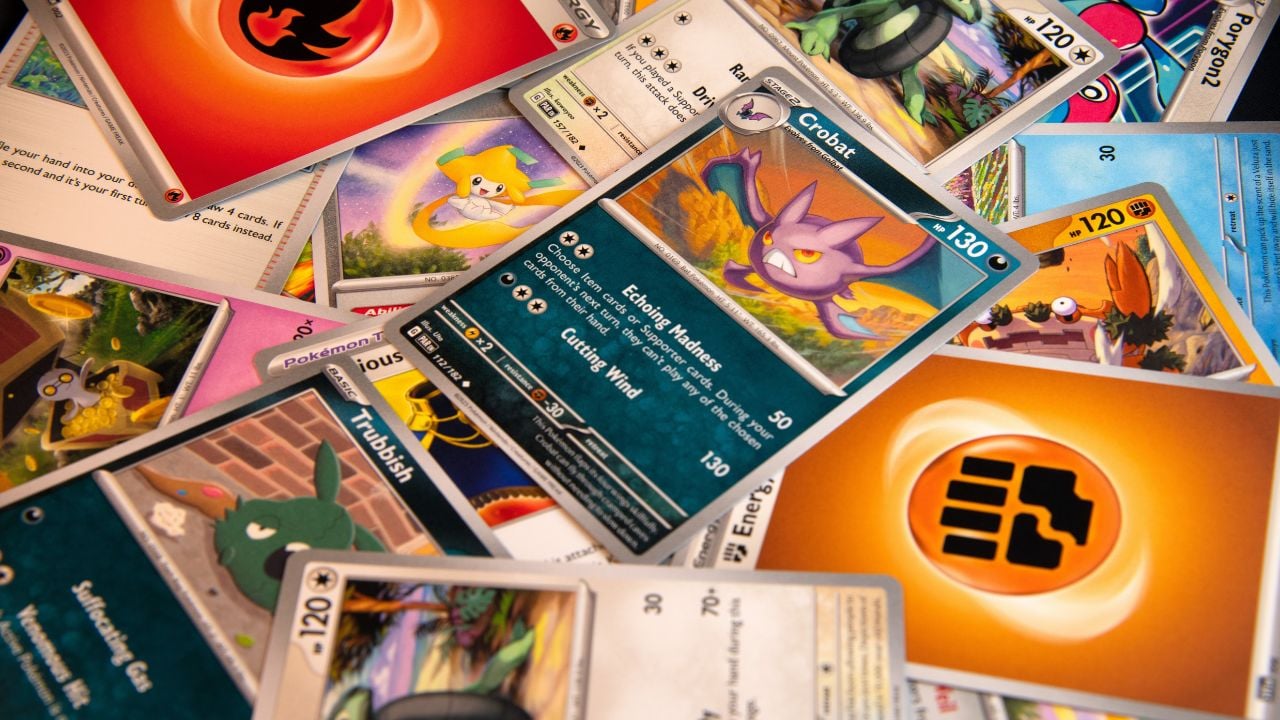
A Pokémon collection has somehow become the latest piece of evidence in the online dating court of public opinion. A new Distractify report highlights an analysis of posts from Tea, the women-focused dating-safety platform where users can share red flags and green flags about men they date or are considering dating.
The headline-grabbing finding is that 94% of Tea posts mentioning Pokémon were classified as red flags. That sounds like brutal news for anyone with a Charizard binder.
The underlying numbers, however, tell a more complicated story. Pokémon appeared in only 65 posts out of the 515,161 examined, and roughly 35 of those reportedly used some version of the phrase about a man who “collects women like Pokémon cards.”
In other words, the data does not show that women broadly consider liking Pokémon itself a dating red flag.
Pokémon Became the Unexpected Dating Red Flag

Distractify based its story on an analysis released by Tea App Green Flags, a third-party service that says it examined 515,161 Tea posts. The company reported finding 837 posts that mentioned gaming, anime, Pokémon or other “nerd” hobbies.
Of those, 729, or about 87%, were classified as carrying more red flags than green flags. Pokémon appeared in 65 posts, compared with 31 mentioning Fortnite and 10 mentioning Call of Duty. Of the 65 Pokémon posts, 61 were categorized as red flags, producing the 94% figure.
Those percentages sound much larger than the underlying sample. The 837 gaming and hobby-related posts represent roughly 0.16% of the more than half-million posts analyzed. The 65 Pokémon mentions represent about 0.013%.
There is another important limitation. Tea App Green Flags is not an independent academic research group. It is operated by Green Flags Consulting LLC, which sells a service allowing men to check whether they have appeared on Tea and take action over unwanted posts.
Not Every Pokémon Mention Was About Collecting Pokémon
Tea App Green Flags itself reported that roughly 35 posts used a version of the line that a man “collects women like Pokémon cards.” Other examples cited by Distractify were more directly about hobbies.
One post reportedly criticized a man for spending heavily on Pokémon GO. Another connected an interest in Pokémon and Yu-Gi-Oh with behavior the poster considered childish.
Tea Was Built Around a More Serious Dating-Safety Question
The platform describes itself as a dating-safety community where women can exchange information about men they are considering dating, including whether someone may be misrepresenting his relationship status or identity.
The Associated Press described Tea as a service intended to let women anonymously vet potential dates and share information about whether someone may be unsafe, a catfish or already in a relationship.
Informal networks in which friends warn one another about troubling dating experiences existed long before Tea. The app effectively turned that kind of whisper network into a searchable digital platform.
Tea Also Became a Major Privacy Story
Questions about that system became more serious after Tea suffered major security problems in 2025. Tea confirmed that approximately 72,000 images were accessed without authorization. According to the Associated Press, 13,000 were selfies or images involving photo identification submitted for account verification, while another 59,000 came from posts, comments and direct messages.
A second security issue exposed far more private communication. TechCrunch reported that more than 1.1 million private messages dating from 2023 into July 2025 were exposed. Tea temporarily disabled its direct-messaging system after that discovery.
In October 2025, Apple removed Tea and the male-focused TeaOnHer from the App Store. Apple told TechCrunch that Tea failed to meet requirements involving content moderation and user privacy and cited a high volume of complaints and negative reviews, but its official website remains active, and the service is currently available through Google Play.
Treat Dating-App Warnings as a Starting Point, Not Proof
People using dating-safety or reputation apps should separate serious safety allegations from ordinary compatibility complaints. A post about violence, fraud, stalking or deception warrants caution, but an anonymous comment about hobbies, personality or a bad date should not automatically be treated as verified evidence about someone’s character.
When a claim involves something serious, look for information that can be independently confirmed rather than relying on screenshots, labels or anonymous posts alone. Public court records, direct conversations, consistent information across dating profiles and other verifiable sources can provide more context before making a decision.
Users should also consider how much personal information they provide to any dating or safety platform. The Federal Trade Commission recommends protecting online accounts with strong, unique passwords and two-factor authentication when available. Avoid sharing identification documents or other sensitive information unless they are genuinely required and you understand how the service stores and uses them.