
Jackie Chan and Chris Tucker made Rush Hour look easy on screen, but Chan says one of the movie’s funniest tensions was happening behind the camera too.
During an appearance on The Kelly Clarkson Show, Chan said he struggled to understand Tucker while filming the 1998 action comedy. Tucker’s rapid delivery became part of the movie’s comic rhythm, but for Chan, who was still navigating English dialogue in a major Hollywood production, it created a real challenge during scenes.
The detail gives the movie’s most famous communication joke a new layer. Detective Carter kept asking Detective Lee whether he understood the words coming out of his mouth. Chan was dealing with a version of that problem while trying to keep up with Tucker in real time.
Chan Said He Had “Not a Clue” What Tucker Was Saying
PEOPLE reported that Chan made the admission while promoting Karate Kid: Legends with Ralph Macchio and Ben Wang.
When Kelly Clarkson asked about adjusting to fast English during Rush Hour, Chan said he had “not a clue” what Tucker was saying.
Chan explained that his dialogue coach sat behind the camera and helped him understand what had just been said. He said every scene and every shot could be different because Tucker’s delivery often moved quickly.
That behind-the-scenes challenge makes the “Do you understand the words that are coming out of my mouth?” line feel even sharper now. The joke worked in the movie because Carter was impatient with Lee. Chan’s new comments show how close the joke came to the actual production experience.
The Confusion Fed the Movie’s Comic Mismatch
Rush Hour paired Chan’s controlled physical comedy with Tucker’s loud, fast verbal style. The contrast became the whole point of the movie.
Lee was precise, watchful, and often quiet. Carter was reckless, talkative, and constantly trying to control the room. The communication gap between them was not just a plot device; it was built into the way the two performers worked.
Chan’s comments do not make the chemistry feel less real. They make it more interesting. Some of Lee’s confusion, irritation, and delayed reactions now feel closer to the conditions Chan was actually managing while filming.
Rush Hour Became a Breakthrough Anyway
The first Rush Hour became a major U.S. breakthrough for Chan. The movie opened in 1998 and grossed $244.7 million worldwide, according to Box Office Mojo.
The film also turned Chan and Tucker into one of the late 1990s’ most recognizable action-comedy pairings. Their chemistry carried two sequels, Rush Hour 2 in 2001 and Rush Hour 3 in 2007.
That success is part of why Chan’s comments landed with fans. The finished movie plays like a fast, confident buddy comedy. Chan remembers a shoot where he had to keep up with action, comedy, English dialogue, and Tucker’s speed at the same time.
Chan Has Been Honest About the Franchise
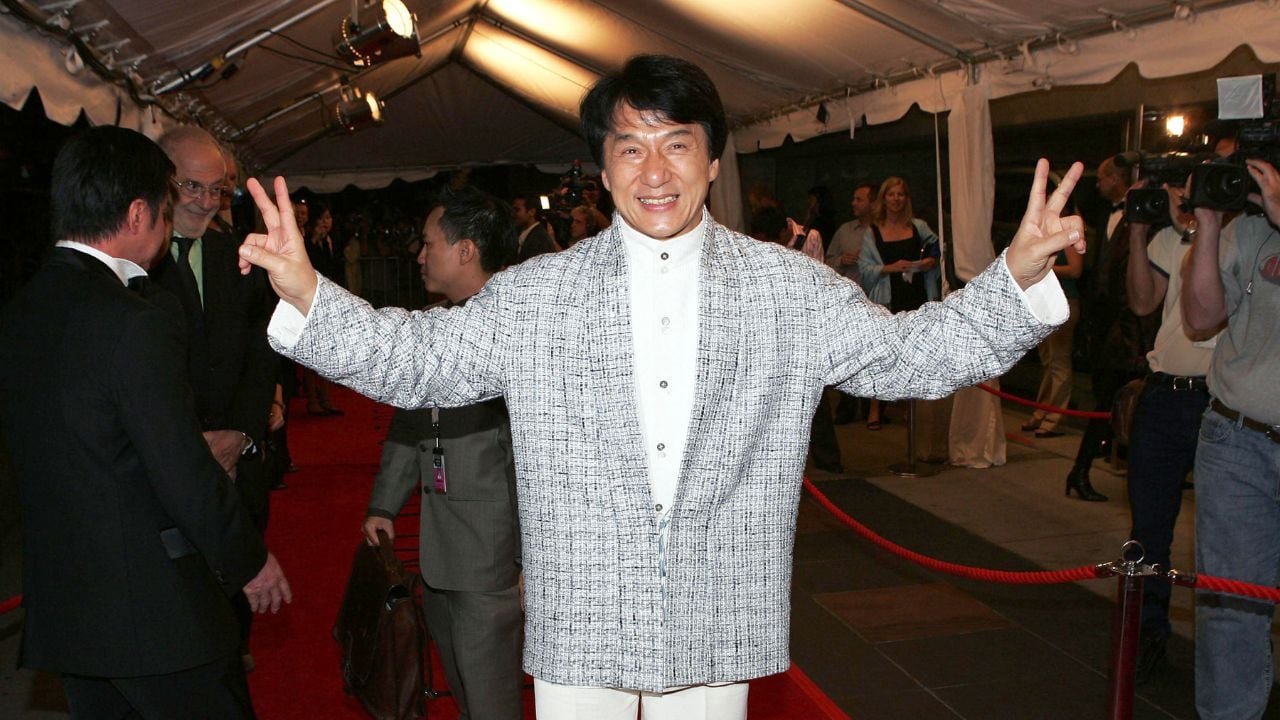
Chan has not always treated Rush Hour as his favorite work. He has often preferred the Hong Kong movies where he had more control over action, rhythm, and stunt design.
Still, he has recognized why the first movie worked. In a separate interview, PEOPLE reported that Chan ranked the original Rush Hour as the strongest film in the trilogy because it was made quickly, with less money and less time.
He was much harder on Rush Hour 3, saying the third movie had “too much money” and “too much time.”
The comment fits the way Chan’s best action comedy often works. His strongest scenes depend on speed, problem solving, danger, and physical invention. Too much polish can flatten the spontaneity that made him famous.
Chris Tucker’s Speed Became the Franchise Identity
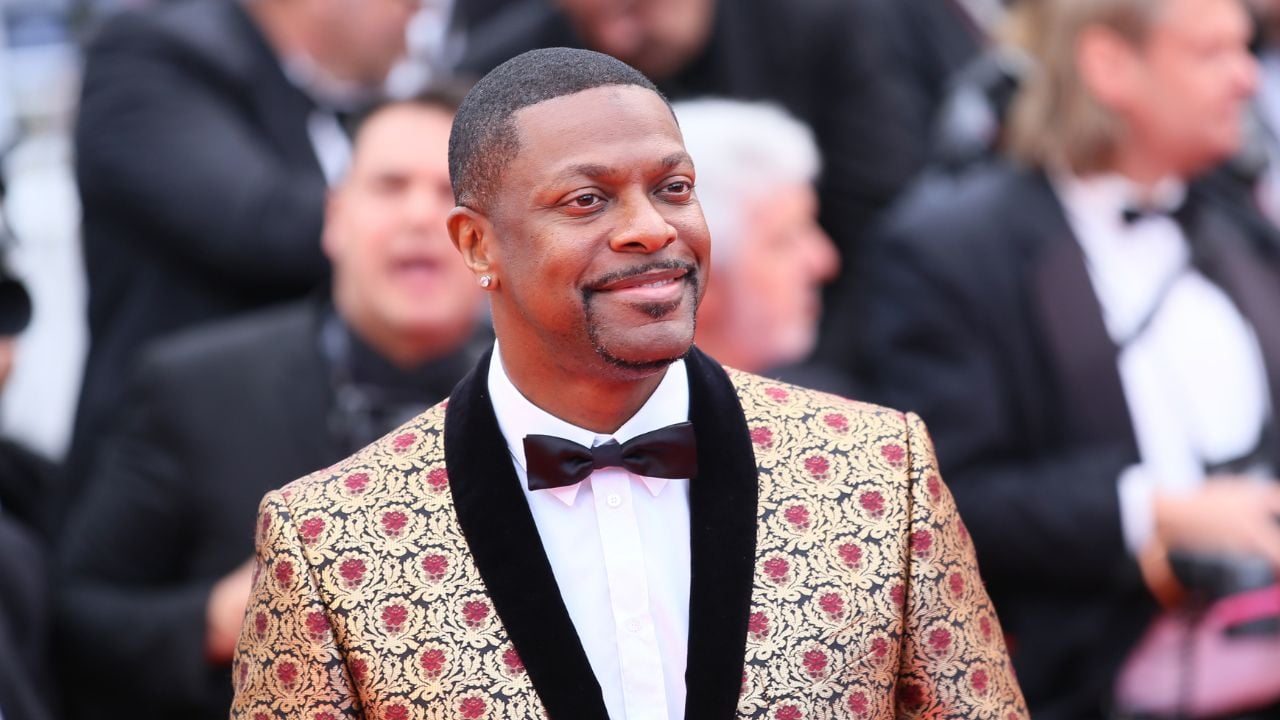
Tucker’s performance as Detective James Carter was built around volume, confidence, and momentum. He could turn a scene into a verbal sprint, then leave Chan’s Lee to answer with a look, a pause, or a physical reaction.
That rhythm became the franchise’s identity. Tucker supplied the American comic chaos, while Chan grounded the movie with martial arts precision and a different kind of timing.
Chan’s difficulty understanding Tucker did not break the formula. It helped make the contrast feel real.
Rush Hour Interest Is Back Again
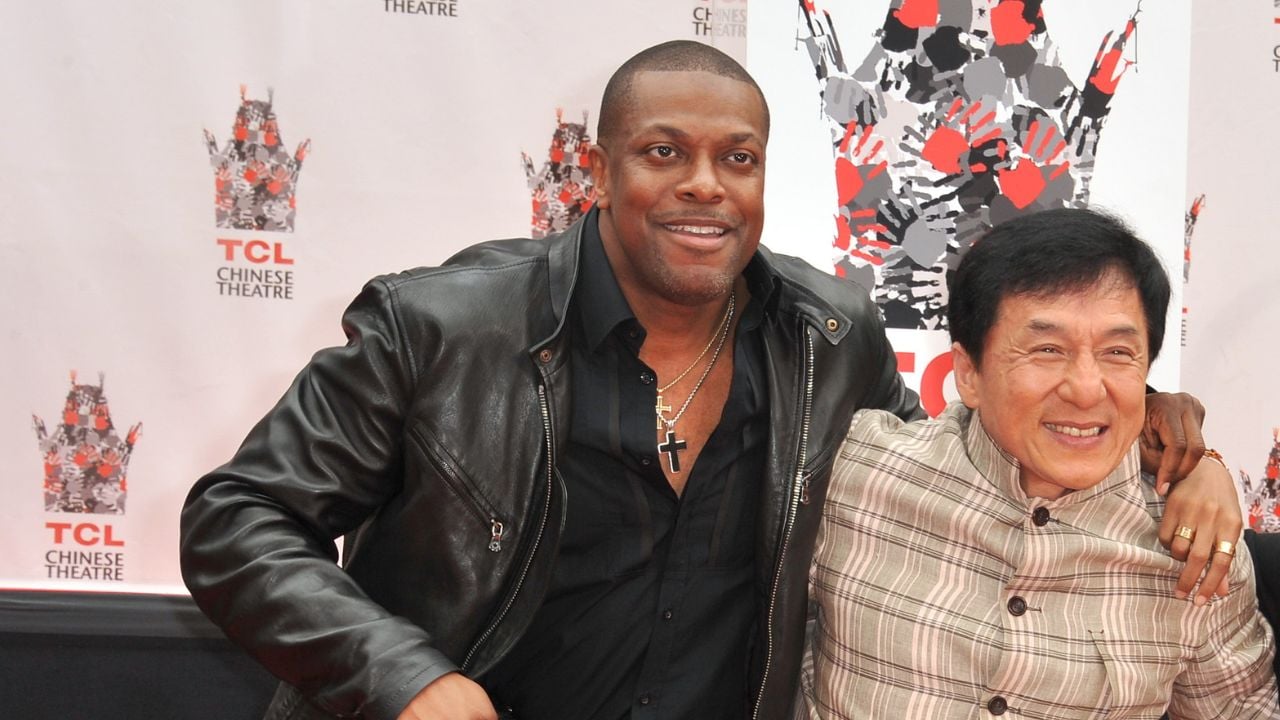
Chan’s comments also resurface as Rush Hour remains part of the franchise conversation. The Associated Press reported in late 2025 that Paramount was finalizing talks to distribute Rush Hour 4, with Brett Ratner attached to direct.
Later reports said the sequel had run into delays tied to salary negotiations with Chan and Tucker, so the project’s final shape remains unclear.
That makes Chan’s old production struggle feel newly relevant. Rush Hour worked because the first movie captured a specific comic mismatch between two performers with completely different rhythms.
Repeating that chemistry decades later would require more than bringing the title back. The original was funny partly because the confusion, speed, and cultural clash were not only written into the script. Some of it was happening on set.