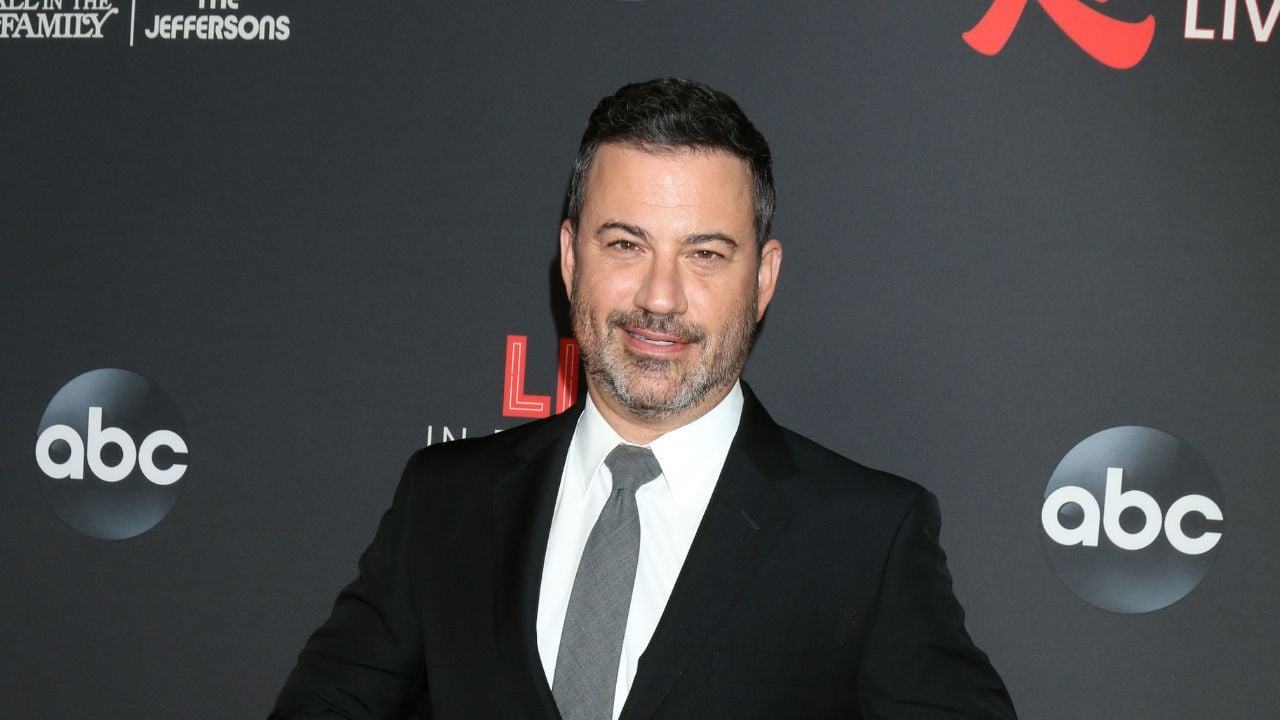
Jimmy Kimmel fired back at Robert F. Kennedy Jr. after the Health and Human Services secretary used a satirical quote to criticize modern late-night comedy.
The exchange started after Kennedy reposted an essay on X about Stephen Colbert’s final Late Show broadcast, according to Entertainment Weekly. Kennedy praised the post and used it to argue that political late-night comedy had collapsed.
The problem was that one of the lines Kennedy aimed at Kimmel appears to have come from satire, not from Kimmel himself. Kennedy claimed Kimmel had said, “It’s not my job to be funny,” then added that the ABC host had “made himself a priest.” Kimmel responded on Instagram by correcting Kennedy’s spelling of “nadir” and adding a sharp vaccine-related jab.
Kennedy Turned a Satirical Line Into a Real Attack
Superb dissection of the shocking collapse of liberal comedy. This is the best explanation of how we’ve reached the nader where Late Night host Jimmy Kimmel can say “It’s not my job to be funny.” As this author shows, he was hired as a comedian but he made himself a priest. https://t.co/tWEpVPA0zQ
— Robert F. Kennedy Jr (@RobertKennedyJr) May 24, 2026
The post Kennedy shared was written in the voice of a fictional CBS late-night executive and presented as satire. TV Insider reported that it came from Peter Girnus, who describes himself online as a “cyber populist” and “hacker.”
Kennedy used the post to criticize Kimmel by name. He said Kimmel was hired as a comedian but had moved into moral commentary, calling him a “priest” rather than a comic.
That framing made the post spread quickly, but it also gave Kimmel an easy opening. Kennedy wrote “nader” when he meant “nadir,” and Kimmel made the typo the first part of his reply.
Kimmel Answered With a Spelling Correction and a Polio Jab
View this post on Instagram
Kimmel shared a screenshot of Kennedy’s post on Instagram and wrote, “It’s ‘nadir’ dummy. Now get back to spreading polio.”
The line worked as both a grammar correction and a political insult. Kennedy has long been criticized for his vaccine skepticism, and Kimmel has repeatedly used his ABC show to mock Kennedy’s public health views.
The jab was harsh, but it fit the kind of reply Kimmel often gives political figures online: short, personal, and written for people who already understand the argument behind it.
The Quote Kennedy Used Appears to Come From The Babylon Bee
Kennedy’s post centered on the claim that Kimmel had said, “It’s not my job to be funny.” Entertainment Weekly reported that Kimmel did not say that line.
The phrase appears to have originated from an April article on The Babylon Bee, a satirical site. The article used the line as part of a joke about Kimmel and late-night comedy, not as a real quote from the host.
TV Insider also reported that the quote was not an actual Kimmel statement. That detail changed the exchange from a simple late-night feud into something more specific: a cabinet official attacking a comedian with a line that appears to have started as parody.
Kimmel Has Defended Political Comedy Before
Kimmel did talk about late-night comedy and politics during an April appearance on IMO with Michelle Obama and Craig Robinson. The episode, titled “Have a Good Laugh with Jimmy Kimmel,” featured a longer conversation about his career, comedy, and public criticism.
According to TheWrap, Kimmel said he loves telling jokes and hearing an audience laugh. He also argued that talking about major political events is part of what his late-night show does.
Entertainment Weekly reported that Kimmel pushed back on people who tell him what his job should be, saying that his role is defined by himself and by what his employer allows him to do.
The Exchange Followed Colbert’s Final Late Show
The fight unfolded days after Colbert signed off from The Late Show. Entertainment Weekly reported that the final episode aired May 21 and featured Paul McCartney as the last traditional sit-down guest.
The finale also brought in other late-night hosts, including Kimmel, Jon Stewart, John Oliver, Jimmy Fallon, Seth Meyers, Andy Cohen, and Stephen Colbert’s predecessor David Letterman. Reuters reported that McCartney’s appearance carried extra history because the Beatles made their American television debut in the same theater in 1964.
Colbert’s exit kept late-night television in the political conversation. Kennedy’s post treated the finale as evidence of a broader problem with liberal comedy. Kimmel’s reply turned the focus back onto Kennedy’s wording, the source of the quote, and Kennedy’s credibility on public health.
Why the Fight Spread So Quickly
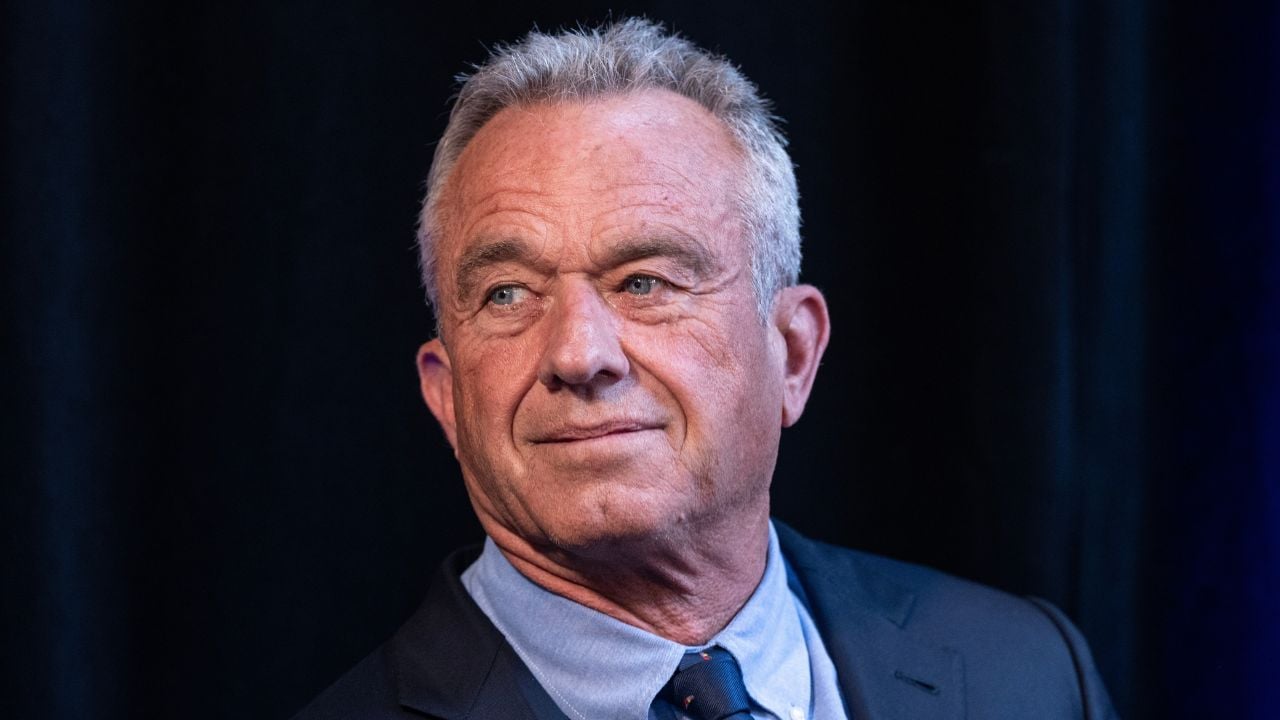
The exchange had all the ingredients of a viral political entertainment story: Colbert’s high-profile finale, Kennedy’s role as a federal health official, Kimmel’s history of mocking him, and a quote that appears to have been lifted from satire.
It also showed how late-night fights now move across platforms. The original argument was not delivered in a monologue. It moved from a satirical post to Kennedy’s X account, then to Kimmel’s Instagram, then into entertainment coverage.
For Kimmel, the response was a quick hit. For Kennedy, the post drew extra attention because the quote he used against Kimmel appears not to have been real.