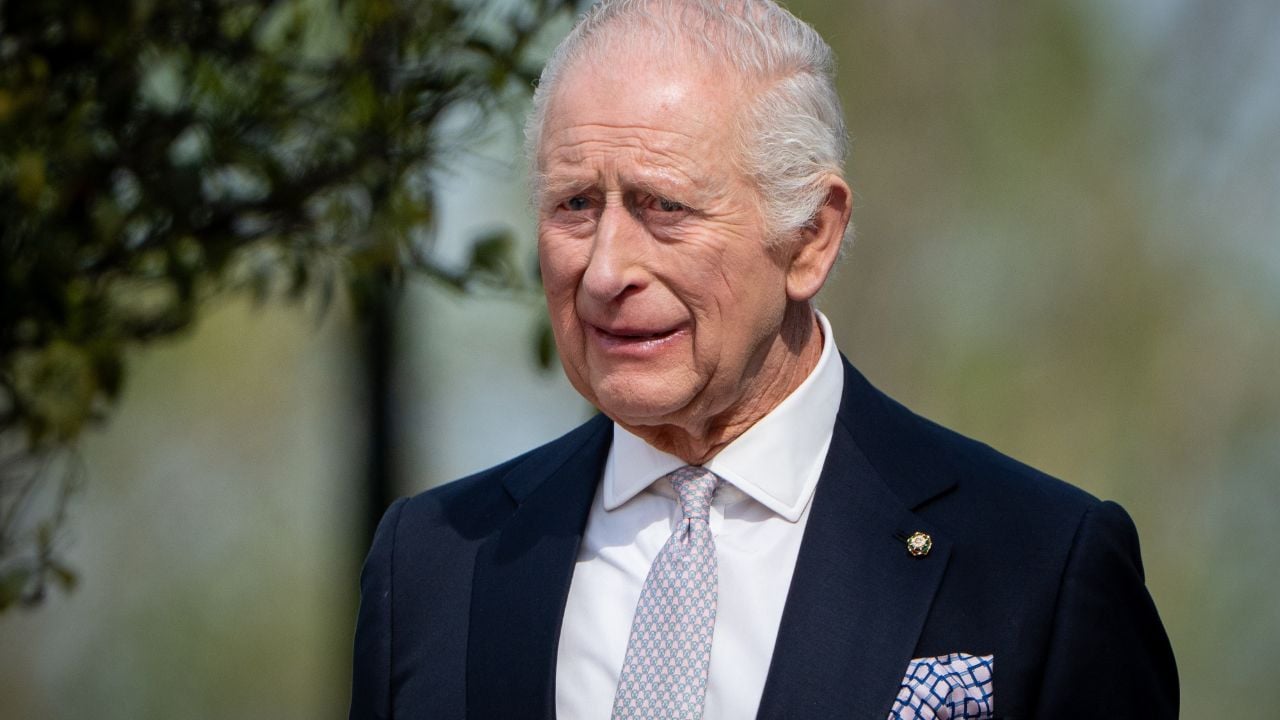
King Charles returned to the Welsh village of Aberfan on Wednesday, October 21, alongside Queen Camilla and Prince William to remember 144 people killed in one of Britain’s worst peacetime disasters. Sixty years after a mountain of mining waste buried a primary school and nearby homes, the royal family gathered with survivors, bereaved relatives and those who helped in the rescue.
The disaster struck on October 21, 1966, when a coal waste tip above Aberfan collapsed after heavy rainfall. The landslide swept through Pantglas Junior School shortly after pupils arrived for lessons on the last day before their autumn break. Among the dead were 116 children and 28 adults.
Charles, Camilla and William began their visit at the Aberfan Memorial Garden, which now occupies the site of the destroyed school. The three participated in a short service before continuing to a nearby community center, where the King heard from people whose lives had been changed by the catastrophe.
William also had a separate engagement at Ynysowen Community Primary School, where he unveiled a new commemorative sculpture. The project brought together the ideas of local schoolchildren and a man who had survived the 1966 disaster as an eight-year-old pupil.
William’s Wreath Included a Message From Catherine
The memorial garden ceremony began with prayers and a moment of silence. Charles placed a wreath before stepping back, followed by Camilla, who laid a small bouquet of flowers. William also offered a wreath bearing a message signed by himself and Catherine, Princess of Wales.
The handwritten tribute read, “In our memory and in our hearts forever,” according to PEOPLE, whose royal correspondent covered the visit.
Catherine did not accompany William to Aberfan on Wednesday, although the couple had visited the memorial garden together in April 2023. During that earlier engagement, they met survivors and relatives who help maintain the site.
Mair Morgan, the last surviving teacher from Pantglas Junior School, was among those present for the anniversary service. Photographs from the event show her alongside the royal party as the floral tributes were placed.
Afterward, the royals greeted residents waiting along Moy Road before walking to Aberfan and Merthyr Vale Community Centre. Their visit to the garden lasted approximately 10 minutes, with more time devoted to conversations with local families and people involved in the disaster’s aftermath.
An Eight-Year-Old Survivor Invited the King to Speak
View this post on Instagram
Jeff Edwards was a pupil at Pantglas when the landslide struck. He survived after being pulled from the wreckage and has spent decades helping preserve the memory of his classmates and neighbors.
At the community center, Edwards addressed the gathering before introducing Charles. He thanked the royal family for maintaining a relationship with Aberfan through successive generations, telling those present that the family’s visits had helped ensure the victims were remembered.
The King responded with a speech acknowledging the accounts he had heard from survivors, bereaved families and people who worked to save those trapped beneath the debris.
“Hearts, far from this valley, will ache with yours,” Charles told the gathering. He praised the community’s strength and spoke about the rescuers whose efforts continued long after the initial collapse.
The royals also met retired emergency workers and representatives from the police, fire service, St John Ambulance and British Red Cross. Among the former responders was Rona Price, a policewoman who had attended the disaster scene.
Members of the Aberfan Wives, a group formed to support mothers who lost children, attended the reception. The Ynysowen Male Voice Choir performed as well. Established after the disaster, the choir became an important gathering place for local men dealing with the aftermath.
Another survivor, Paul Harries, recalled the courage of school lunch worker Nansi Williams in an interview with PEOPLE. Harries, who was six at the time, said Williams shielded several children with her body. She died in the disaster, but he credited her actions with saving his life.
Local council leader Brent Carter also described an earlier conversation with Charles. Carter said he had asked the monarch to attend the anniversary during a previous meeting, prompting the King to wonder whether the people of Aberfan would welcome his return. Carter assured him that they would.
A New Memorial Started With Drawings by Local Children
The King, Queen and Prince of Wales are to pay tribute to the 116 children who were killed in the Aberfan disaster, 60 years on from the tragedy.
🔗 https://t.co/su2HiT4Vai https://t.co/azNSgxAmVS
— The Telegraph (@Telegraph) October 21, 2026
William concluded his time in the village at Ynysowen Community Primary School, where he unveiled the Aberfan Memorial Tree, a metal sculpture created to commemorate the anniversary.
The project was conceived by headteacher Simone Roden and Jeff Edwards, who also serves as vice chair of the school’s governing body. Pupils were asked to contribute drawings and ideas during the planning stages, giving children growing up in Aberfan a role in shaping the tribute.
The sculpture was designed and produced by ArtMetal, a family-run metalwork business based in Rhayader, Powys. The finished memorial now stands at a school whose history is inseparable from the events of 1966.
William unveiled a plaque during the ceremony, according to photographs distributed through Reuters. The images show the Prince of Wales participating in the dedication at Ynysowen.
The involvement of current pupils reflects work already taking place in local classrooms. Survivors and bereaved relatives have been visiting schools to explain what happened at Pantglas and why the village continues to commemorate October 21.
Denise Morgan, whose sister Annette died in the disaster, told ITV Wales that she had helped young people learn about Aberfan in preparation for the anniversary. Morgan said the children had responded with understanding and compassion.
Queen Elizabeth Remembered a Gift From the Remaining Children
The royal family’s relationship with Aberfan began in the days following the disaster. Queen Elizabeth II traveled to the village with Prince Philip eight days after the collapse, following a mass funeral for many of the children.
Her delayed visit drew criticism and was later described by those close to her as a decision she regretted. She returned to the community several times, including in 1974 to open the memorial garden and in 2012 to open Ynysowen Primary School.
In a message issued for the 50th anniversary in 2016, Elizabeth recalled receiving flowers from a young girl during her first visit. The posy carried the words, “From the remaining children of Aberfan.”
Charles, then Prince of Wales, delivered that message during his own visit to the village a decade ago. He also laid a wreath and met survivors and relatives who had remained connected through the commemorations.
His 2026 return came as another member of the family took on a larger role in maintaining those ties. William has been Prince of Wales since September 2022, a title his father held for more than six decades.
Survivors Are Working to Preserve the Children’s Stories
For those who lived through the disaster, the anniversary has also brought renewed attention to the records, photographs and personal belongings that remain.
David Davies, chairman of the Aberfan Memorial Charity and a survivor himself, told The Guardian that keeping the history accessible to younger generations has become increasingly important as the number of living witnesses declines.
Davies has helped organize commemorations including exhibitions, performances and educational projects. The anniversary program features a new musical requiem, Aberfan: From Darkness to Light, by composer Paul Mealor, along with a play about the volunteers who came to the village’s aid.
Survivor Gaynor Madgwick, who lost her siblings Carl and Marylyn, contributed belongings that had once been theirs to an exhibition organized by Amgueddfa Cymru, the national museum of Wales. Among the objects were schoolbooks, a football and a dress.
Historical records also continue to document the failures preceding the collapse. A public inquiry held after the disaster found serious failings by the National Coal Board, which was responsible for the waste tip, but no one was prosecuted. The community later fought for the return of money taken from a disaster fund to help pay for removing the remaining tips.
The National Library of Wales has produced revised books of remembrance recording the names of those who died, correcting errors in an earlier record. Working with Glamorgan Archives, it has also created a digital archive of letters, documents and recordings, allowing future generations to explore the history through material preserved by the people of Aberfan.