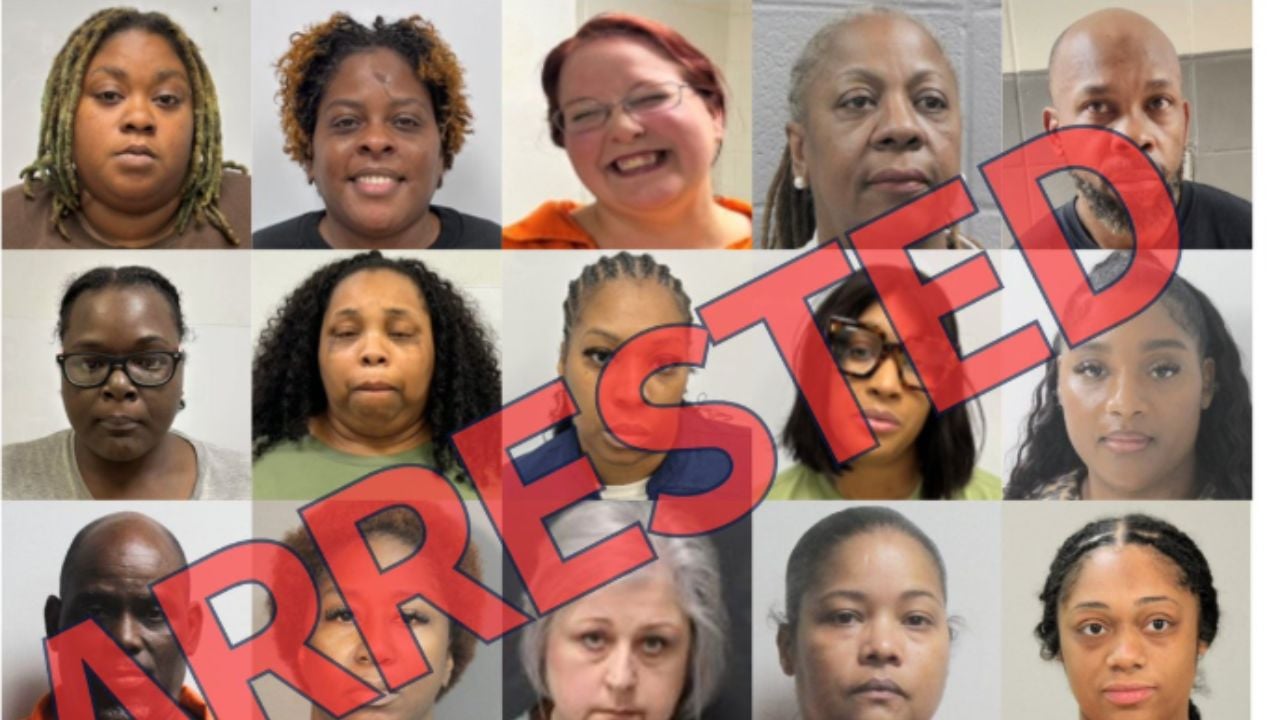
Louisiana Attorney General Liz Murrill announced 21 arrests Wednesday in a Medicaid fraud crackdown that also included cases involving alleged cruelty to people in need.
The arrests were made by the Attorney General’s Office Medicaid Fraud Control Unit, according to WBRZ.
Murrill said the unit has been elevated to a standalone division within the Louisiana Department of Justice. She said the change is meant to strengthen investigations, prosecutions, and recovery of taxpayer money tied to fraud, waste, and abuse.
The latest arrests bring the number of people charged with Medicaid fraud, abuse, and neglect in residential facilities to 95, according to the attorney general’s announcement reported by WBRZ.
The Cases Reached Several Louisiana Parishes
WBRZ reported that the newest phase included cases tied to Caddo, Ouachita, Lincoln, Rapides, Concordia, East Baton Rouge, Acadia, Beauregard, Orleans, and other parishes.
The list included people accused of Medicaid fraud, filing or maintaining false public records, and cruelty or battery involving elderly people or people with infirmities.
Murrill announced the arrests during a news conference at the Louisiana State Capitol, where she was joined by Louisiana Inspector General Angele Davis and Medicaid Fraud Control Unit Director Matt Stafford.
Some Allegations Involved Care That Was Not Provided
Federal case summaries from the 2026 national health care fraud enforcement action described several Louisiana matters tied to the state Medicaid Fraud Control Unit.
In some cases, direct care or personal care workers were accused of billing Medicaid for services that allegedly could not have been provided because the recipient was in a hospital, in day care, incarcerated, or had moved away.
The Justice Department summaries also described claims that overlapped with other work hours, including allegations that services were billed while a worker was employed somewhere else.
False Records Were Also Part Of The Sweep
Other Louisiana cases involved records rather than direct service time. DOJ summaries described allegations involving false CPR certification cards, false exclusion checks, and insurance documents submitted in connection with Medicaid providers or audits.
One Lincoln Parish case involved a Medicaid non-emergency medical transportation provider accused of submitting fraudulent certificates of insurance. Other cases involved counseling or behavioral health providers where prosecutors said false records were submitted or maintained in response to Medicaid managed care review.
Some Cases Involved Vulnerable Residents
The crackdown was not limited to billing allegations. DOJ case summaries also described Louisiana arrests involving direct care workers accused of cruelty, battery, or neglect connected to residents with intellectual, developmental, elderly, or infirmity-related vulnerabilities.
Those allegations included direct care workers accused of dragging, pushing, striking, or leaving residents unattended. The charges remain accusations unless proven in court.
The Attorney General Says Restitution Has Passed $73M
Murrill said more than $73 million has been ordered in restitution, and her office has secured 105 convictions on Medicaid fraud, abuse, and neglect-related charges, according to WBRZ.
The attorney general also said her office has arrested 37 recipients accused of fraudulently receiving Medicaid benefits.
Anyone who wants to report suspected Medicaid fraud can use the Louisiana Department of Justice Medicaid fraud complaint page or the Louisiana Department of Health’s Medicaid fraud reporting page.
Families Should Watch For Missing Or Unsafe Care
For families, the most immediate concern is whether billed care is actually happening. A Medicaid recipient’s records may show home care, transportation, counseling, direct support, or facility services that the person never received.
Relatives and guardians should compare Medicaid notices, care schedules, sign-in records, transportation logs, and provider communications against what actually happened. Missed visits, workers billing during hospital stays, unexplained signatures, or services listed while the recipient was somewhere else should be reported.
Families should also document injuries, missed medications, unexplained isolation, sudden fear of a caregiver, unsafe transportation, or a resident being left unattended. Photos, dates, names, messages, appointment records, hospital paperwork, and call logs can help investigators review what happened.
Suspected Medicaid billing fraud can be reported to the Louisiana Department of Justice or the Louisiana Department of Health. Immediate danger, abuse, neglect, or violence should be reported to local law enforcement or emergency services first.