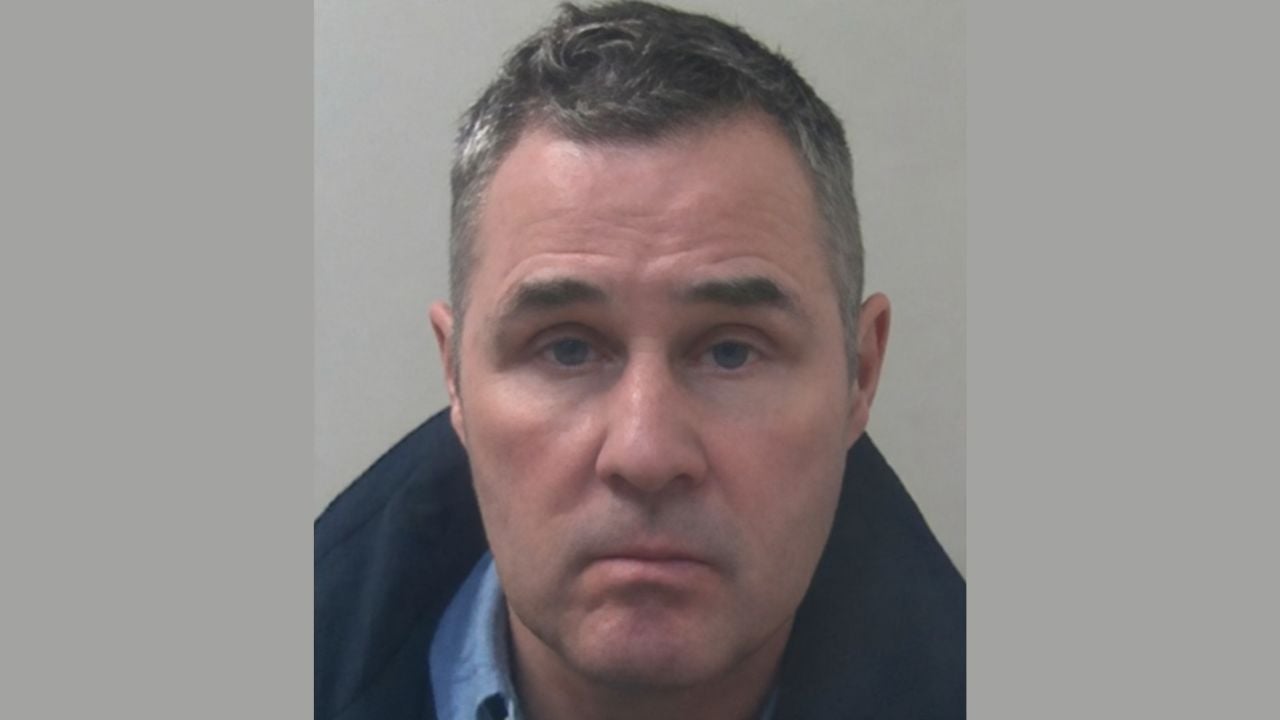
A British businessman has been sentenced to six years in federal prison for helping run a $97 million investment scheme built around loans that investors were told were secured by valuable collections of rare wine.
Stephen Burton, 62, founded and ran Bordeaux Cellars with business partner James Wellesley. They told investors the company brokered loans to wealthy wine collectors who needed cash but did not want to sell their collections, with expensive bottles supposedly pledged as collateral.
The arrangement appeared to give investors something tangible to fall back on if a borrower failed to repay. But the U.S. Attorney’s Office for the Eastern District of New York said the purported high-net-worth collectors did not exist and Bordeaux Cellars did not maintain custody of much of the wine it claimed was securing the loans.
More than 140 investors put over $97 million into the operation. Bordeaux Cellars returned only about $14 million before the scheme unraveled, leaving victims with losses exceeding $83 million, according to federal prosecutors.
Investors Were Told Thousands of Rare Bottles Protected Their Money
Burton and Wellesley solicited investors at conferences in the United States and overseas, promoting Bordeaux Cellars as an intermediary between lenders and wealthy collectors. Investors were promised regular interest payments and were told the company would retain possession of the wine while each loan remained outstanding.
The loan documents identified specific high-value bottles as collateral. Prosecutors said the company at various points represented that its inventory included more than 25,000 bottles, including wines from prestigious producers such as Domaine de la Romanée-Conti and Château Lafleur.
The actual inventory was dramatically smaller. Prosecutors said records showed Bordeaux Cellars controlled as few as 217 bottles at one point in March 2018, and many of the specific wines listed as collateral were never in the company’s custody.
New Investor Money Paid Earlier Investors
For a time, the operation appeared to produce the returns investors had been promised. Bordeaux Cellars made regular interest payments, and some investors rolled their principal into new loans when earlier investments matured.
Those payments were not being generated by wealthy collectors repaying legitimate wine-backed loans. Prosecutors said Burton and Wellesley instead used money from new investors to make payments to earlier investors while diverting other funds for personal expenses.
The structure allowed Bordeaux Cellars to create the appearance of a functioning lending business as long as new money continued to arrive. Federal prosecutors described it as a Ponzi-like scheme that eventually unraveled after the flow of payments stopped.
One Victim Lost $200,000 She Had Saved for Her Son
At Burton’s September 3 sentencing in Brooklyn federal court, U.S. District Judge Pamela Chen emphasized the damage caused to individual victims. The New York Daily News reported that Chen discussed a letter from a 58-year-old woman who lost her entire $200,000 life savings.
The woman had hoped to use the money to help care for her 23-year-old son, who is quadriplegic. Chen called Burton’s conduct a devastating financial crime while imposing the six-year prison term.
Burton Cooperated Before Receiving a Six-Year Sentence
Burton pleaded guilty in July 2025 to wire fraud conspiracy and money laundering conspiracy. Judge Chen sentenced him to six years in prison and ordered him to forfeit $26 million. The amount of restitution he must pay will be determined separately.
Burton received a substantially shorter sentence than Wellesley. According to reporting from the sentencing, Burton cooperated with federal prosecutors, provided information about his co-defendant and helped authorities trace some of the money taken in the scheme.
The court also considered the time Burton had already spent in custody. He spent about 13 months imprisoned in Morocco while awaiting extradition and roughly 33 months detained in Brooklyn before sentencing.
Burton was arrested in Morocco in 2022 after entering the country using a false Zimbabwean passport. He was extradited to the United States in December 2023.
Wellesley Is Already Serving a 10-Year Sentence
Wellesley, who served as Bordeaux Cellars’ chief financial officer and operations manager, also helped solicit investors for the wine-backed loan operation.
He pleaded guilty to wire fraud conspiracy and was sentenced to 10 years in federal prison in April 2026. Judge Chen also ordered him to forfeit $1 million, with restitution to be determined separately.
Both men are British citizens. Court proceedings call for Wellesley to be deported to the United Kingdom after completing his federal sentence, while reporting from Burton’s sentencing said he is also expected to be deported after his U.S. prison term.
Verify the Collateral Independently Before Funding an Investment
An investment advertised as being protected by wine, art, collectibles or another valuable physical asset is only as secure as the collateral behind it. Before committing money, investors should independently verify that the assets actually exist, establish who owns them and determine where they are being held.
Independent verification matters especially when the existence of the collateral is central to the sales pitch. Investors can also investigate the people and firms offering an investment, ask how proceeds will be used and seek supporting information from third parties. The SEC’s Investor.gov warns that regular payments are not proof that an investment is generating legitimate profits.