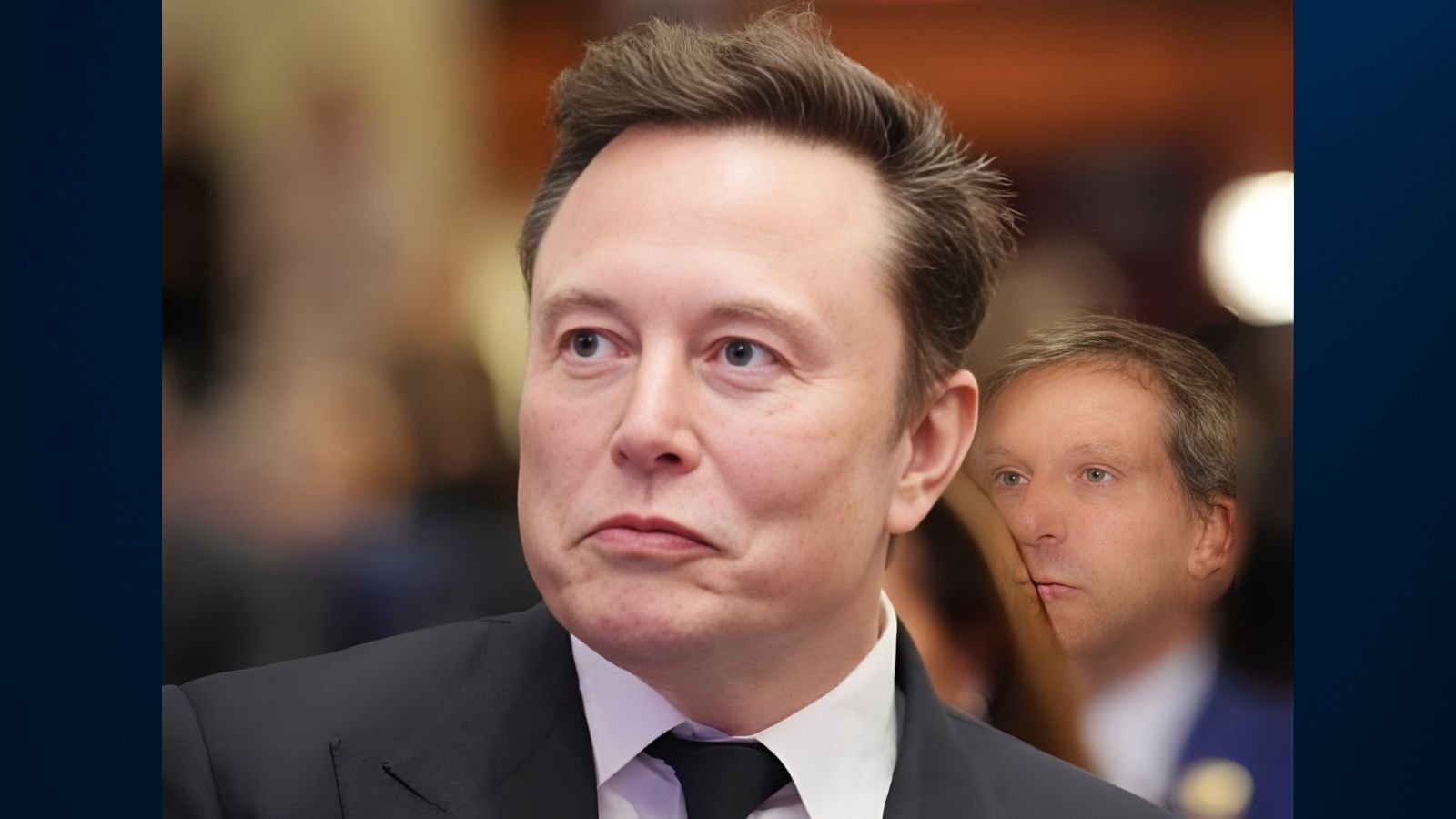
Elon Musk has a way of stirring things up with a single post. On February 17, 2026, the Tesla CEO and X owner dropped a phrase that’s got everyone talking: “Make Asylums Great Again.” It came as a reply to a report about a shooting in Rhode Island involving a transgender person with a Nazi tattoo.
Musk’s words echoed Donald Trump’s famous slogan, but with a twist aimed at mental health care. Then he doubled down by quoting another post and adding “Seriously.” This has people debating if America needs to rethink how it handles severe mental illness. While he didn’t outline a detailed plan, the phrase suggested a return to larger psychiatric facilities for those who pose real risks. Let’s get into the details.
Elon Musk’s Viral Post
The whole thing started with a reply on X. Musk responded to a Breaking911 post about the Rhode Island incident. The shooter was described as having a large Nazi tattoo, and the story highlighted questions around mental health and violence. Musk’s exact words were “Make Asylums Great Again!” It quickly went viral, racking up thousands of likes and reposts in hours.
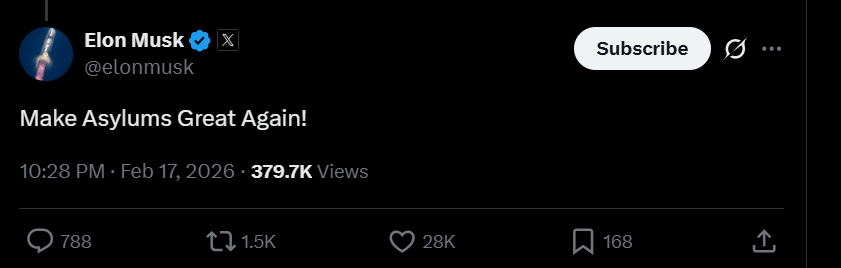
Not long after, he quoted a BRICS News post that said he was calling for the return of insane asylums in the U.S., and he replied with one word: “Seriously.” This wasn’t just a throwaway comment. It tied into ongoing talks about public safety and untreated mental conditions. People online started sharing memes and opinions right away. Some saw it as a joke playing on the MAGA acronym. Others took it as a serious push for policy change.
Musk has influence, with over 200 million followers on X, so his words carry weight. The post linked to broader concerns, like how some violent acts involve people who might need institutional care. For example, discussions popped up about past cases where insanity pleas led to releases instead of long-term help. Musk’s timing felt pointed, coming amid news of urban issues like homelessness tied to mental health.
Not the First Time
Musk has used this phrase before. Back in March 2025, he replied to a post about academic papers where authors listed their “intersectional forms of privilege or oppression.” He added a facepalm emoji and wrote “Make Asylums Great Again!” It seemed like a jab at what he viewed as over-the-top ideas in education or activism. That earlier use showed the phrase as his go-to for calling out things he finds irrational.
Over the years, Musk has touched on mental health in other ways. He has posted about homelessness in California, calling it a “homeless industrial complex” where NGOs benefit from keeping numbers high.
In one clip, he described some charities as “drug zombie farmers” that maximize problems for funding. These comments suggest he sees untreated severe mental illness as a root cause of street chaos. Bringing back asylums fits into that view, as a place for people who can’t function safely in society.
America’s Past with Asylums
Insane asylums have a loaded history in the U.S. They started in the 1800s as places to house and treat people with mental illnesses. But by the mid-1900s, reports of abuse, overcrowding, and poor conditions led to major changes.
Think of stories from places like Willowbrook, where patients faced neglect and experiments without consent. The deinstitutionalization movement kicked off in the 1950s, sped up by new meds like antipsychotics and civil rights pushes. By the 1980s, most large state-run asylums closed, shifting care to community programs.
President Ronald Reagan signed laws that helped this shift, but critics say it left gaps. Many people ended up homeless or in jails instead of getting help. Today, the U.S. still has psychiatric hospitals, but they’re smaller and focused on short stays.
Musk’s call harks back to the old model, where long-term commitment was common. Some worry this could repeat past mistakes, like locking up folks for being different or poor. Others point out that without enough community support, streets become default asylums.
The Ongoing Debate
Musk’s words tap into current hot buttons. Donald Trump has talked about reopening mental institutions to tackle homelessness and crime. In a recent executive order, Trump aimed to clear streets by providing care for those with severe mental issues.
Musk’s post aligns with that, especially after events like the Rhode Island shooting. Supporters say it’s practical. They argue that for violent offenders pleading insanity, asylums could prevent repeats, saving lives and resources.
Critics push back hard. They fear a return to eras when asylums silenced dissenters, single parents, or anyone inconvenient. One commenter noted how easy it was to commit people without proof, leading to a “silent generation” afraid to speak out. Mental health experts stress better funding for community care over old institutions.
Still, with rising concerns about public disorder, the idea gains traction. Musk isn’t in office, but his platform amplifies these talks. Whether it leads to real change remains unclear, but it’s got folks rethinking how society handles its toughest cases.
What do you think?