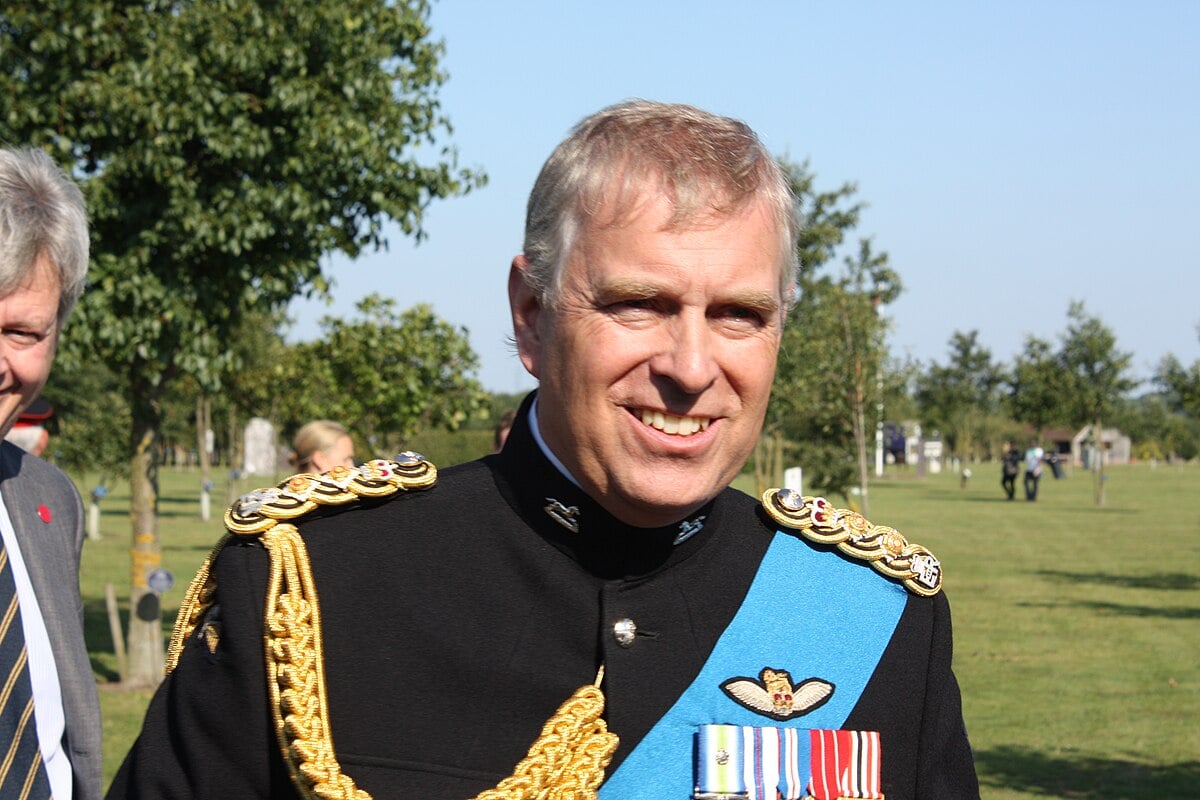
The royal family just got hit with a massive curveball. On what should have been a day of celebration, Andrew Mountbatten-Windsor, formerly known as Prince Andrew, found himself in handcuffs instead of blowing out candles.
This stunning turn of events has everyone talking about justice, family ties, and the unbreakable rules that apply even to those with royal blood. Let’s break down what went down and why it matters.
The Arrest Unfolds
Police showed up bright and early at 8 a.m. local time on February 19, 2026, at Wood Farm on the Sandringham Estate in Norfolk, England. Six unmarked vehicles pulled up to the property where Andrew has been living since his eviction from his longtime Windsor home earlier this month.
Thames Valley Police confirmed they arrested a man in his 60s from Norfolk on suspicion of misconduct in public office. They also carried out searches at addresses in both Norfolk and Berkshire, areas linked to his current and former residences.
This offense is no small deal in the UK; it can lead to a life sentence if proven. Andrew, who turned 66 today, remains in custody as the investigation continues. No formal charges have been filed yet, but the probe is active.
The arrest ties back to documents from the Jeffrey Epstein files released by the U.S. Justice Department, which suggest Andrew may have passed sensitive UK government or trade details to the late sex offender during his stint as a British trade envoy. Andrew has always denied any wrongdoing in his Epstein connections.
This marks a historic low point. It’s the first time a senior member of the British royal family has faced arrest in the modern era. The scene at Sandringham, a place usually associated with quiet family retreats, now stands as a symbol of how far-reaching these allegations have become.
The Epstein Connection: Years of Controversy
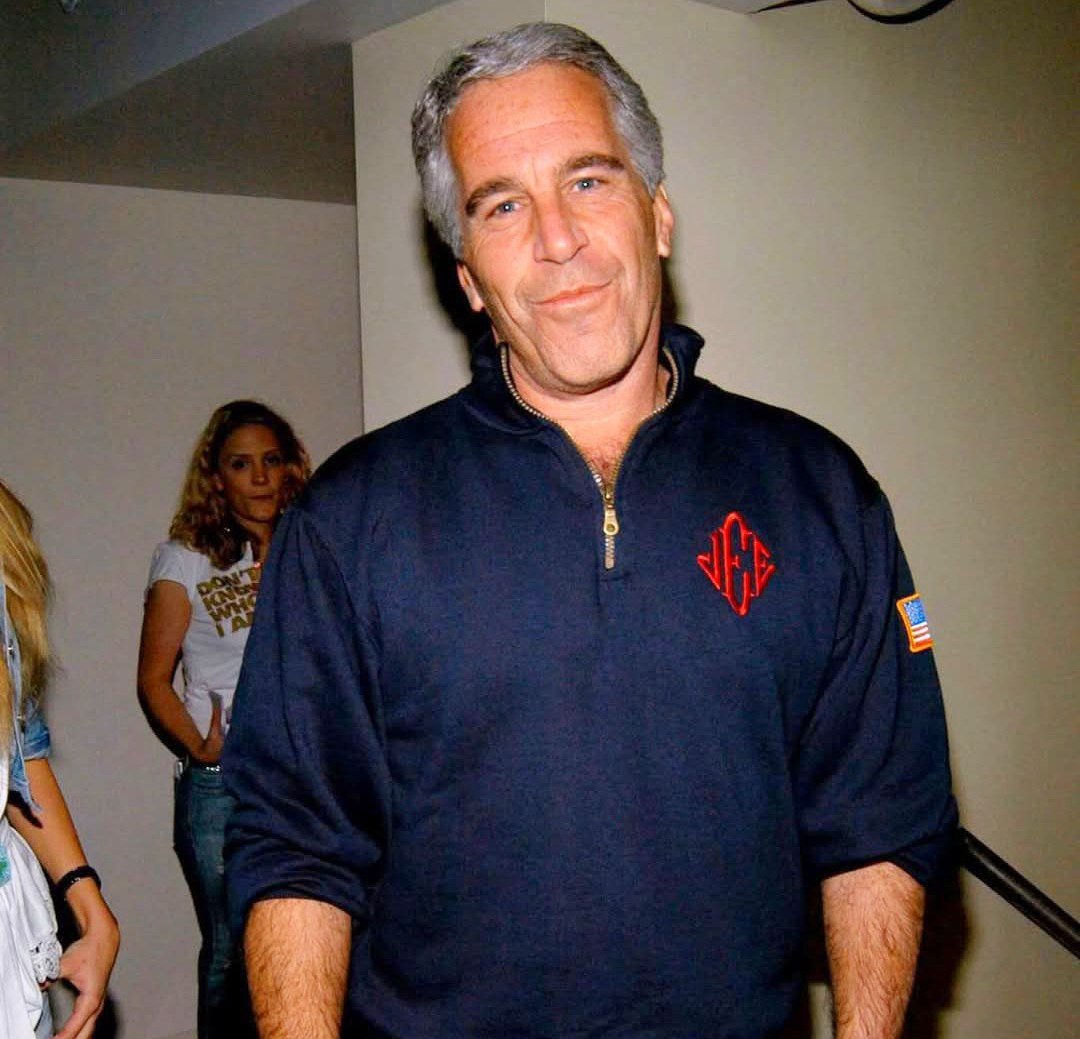
Andrew’s troubles didn’t start overnight. His friendship with Jeffrey Epstein, the convicted sex offender who died in 2019, has haunted him for over a decade. Back in the early 2000s, Andrew served as the UK’s special representative for international trade and investment, a role that gave him access to confidential business and government insights. Reports indicate he met Epstein multiple times, including after Epstein’s 2008 conviction for procuring a minor for prostitution.
The fallout intensified in recent years. In 2022, Andrew settled a civil lawsuit with Virginia Giuffre, who accused him of sexual assault when she was 17, though he denied the claims. That settlement reportedly cost him millions.
Then, in 2025, King Charles stripped him of his royal titles and patronages amid mounting pressure. Andrew lost the “His Royal Highness” prefix and became Andrew Mountbatten-Windsor, a move that signaled the family’s attempt to distance itself from the scandal.
More details emerged from Epstein’s files, including claims of Andrew’s involvement in sharing information that could compromise UK interests. An anti-royal group pushed for a police investigation just weeks before the arrest, citing these documents. Andrew has expressed regret over the friendship but maintains he never broke the law. Still, the association has cost him public support and his place in the royal fold.
King Charles’s Firm Stance
Hours after the news broke, King Charles III released a statement that cut straight to the point. He expressed his “deepest concern” over the arrest and the suspicions of misconduct. The king emphasized that the royal family would offer “full and wholehearted support and co-operation” to the authorities. Then came the key line: “Let me state clearly: the law must take its course.”
Charles made it clear he wouldn’t comment further while the investigation unfolds. This response echoes his actions last year when he evicted Andrew from Royal Lodge near Windsor Castle and relocated him to the more secluded Wood Farm.

It’s a tough spot for the king, balancing family loyalty with public duty, especially since Andrew is his younger brother. Yet, the statement shows a commitment to transparency and accountability.
Looking Ahead: What This Means
The arrest has sent shockwaves through the UK and beyond, with people weighing in on what it says about power and privilege. Some see it as long-overdue justice, like Virginia Giuffre’s family, who said their “broken hearts have been lifted” knowing “no one is above the law, not even royalty.” Others call it karma, pointing out the irony of it happening on his birthday. One commenter noted, “Couldn’t have happened to a more deserving man!”

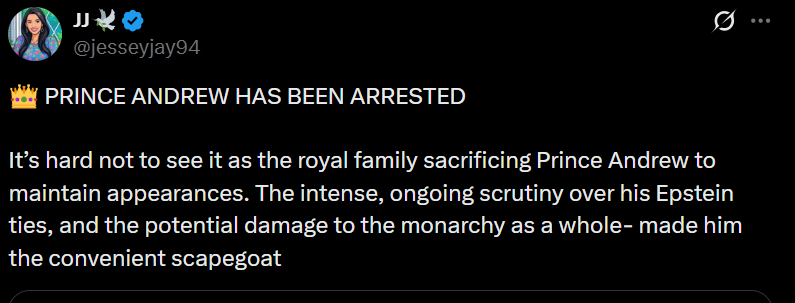
Skeptics argue the royals might be using Andrew as a scapegoat to protect the monarchy’s image. “It’s hard not to see it as the royal family sacrificing Prince Andrew to maintain appearances,” one observer said.
As the case progresses, questions linger. Will charges stick? How will this affect King Charles’s reign? Andrew’s future remains uncertain, but one thing is clear: this chapter in royal history is far from over. The world will watch closely as the legal process plays out.
What do you think?