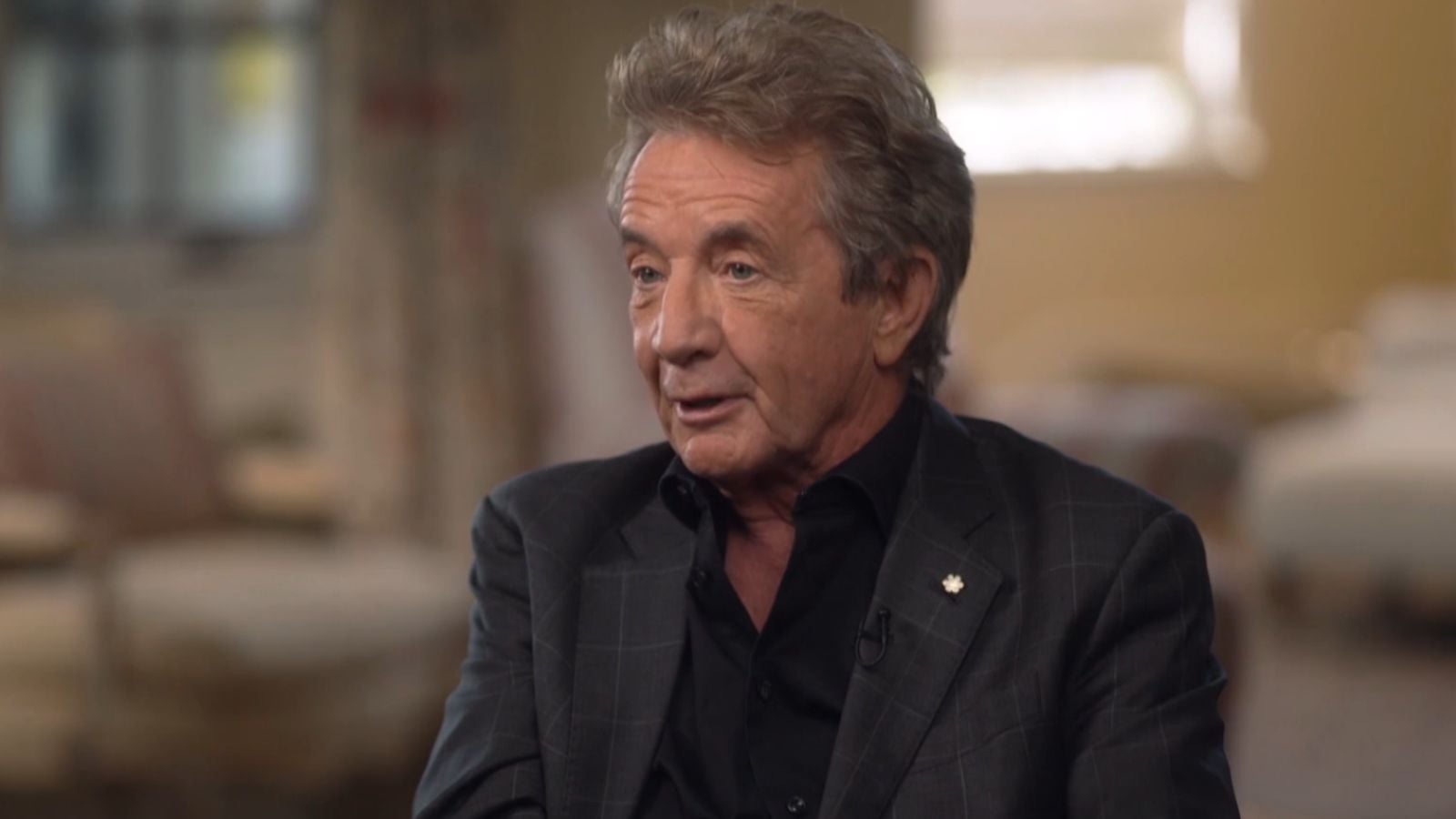
Before Martin Short ever sat down with CBS to talk about mental illness, his daughter was already doing the work.
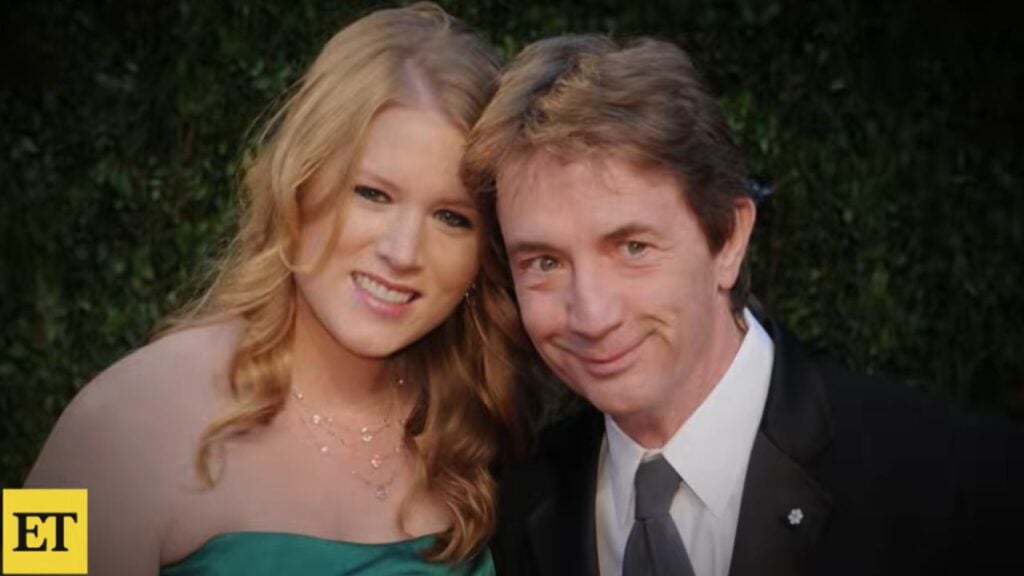
Katherine Short held a master’s in social work from USC after studying psychology and gender studies at NYU. She worked as a licensed clinical social worker in Los Angeles, with experience that included Amae Health, UCLA’s Resnick Neuropsychiatric Hospital, and private practice. She was involved with Bring Change 2 Mind, a nonprofit focused on ending the stigma surrounding mental illness. She spent her professional life helping people find language for their struggles and refusing to treat psychological suffering as something to hide.
She died by suicide in February. She was 42, and the family asked for privacy.
On Sunday, her father spoke publicly for the first time about her death in an interview with CBS’s Tracy Smith. What he said was not grief performing for cameras. It was the language of someone who had been sitting with this for months, trying to understand it clearly enough to say it out loud.
What He Said, and Why the Framing Matters
“Mental health and cancer, like my wife’s, are both diseases,” Short told Smith, “and sometimes with diseases they are terminal.”
That sentence was a deliberate reframing of how mental illness gets discussed: not as failure, weakness, or as something that could have been solved if only the right words had arrived in time. A disease. Sometimes terminal.
“My daughter fought for a long time with extreme mental health, borderline personality disorder, other things,” he said, “and did the best she could until she couldn’t.”
That final phrase carries the weight of someone trying to honor both the reality of what happened and the dignity of the person who lived through it. It is also a language Katherine would have understood. She spent her career helping others find exactly that kind of clarity about illness. Her father is now using it to describe hers.
Short also told Smith that Katherine’s death connected in his mind to the final words of his wife, Nancy Dolman, who died of ovarian cancer in 2010. Nancy’s last words were “let me go.” He said he believes Katherine was saying the same thing.
The Losses Stacked up This Year
Katherine was not the only person Short lost in early 2026.
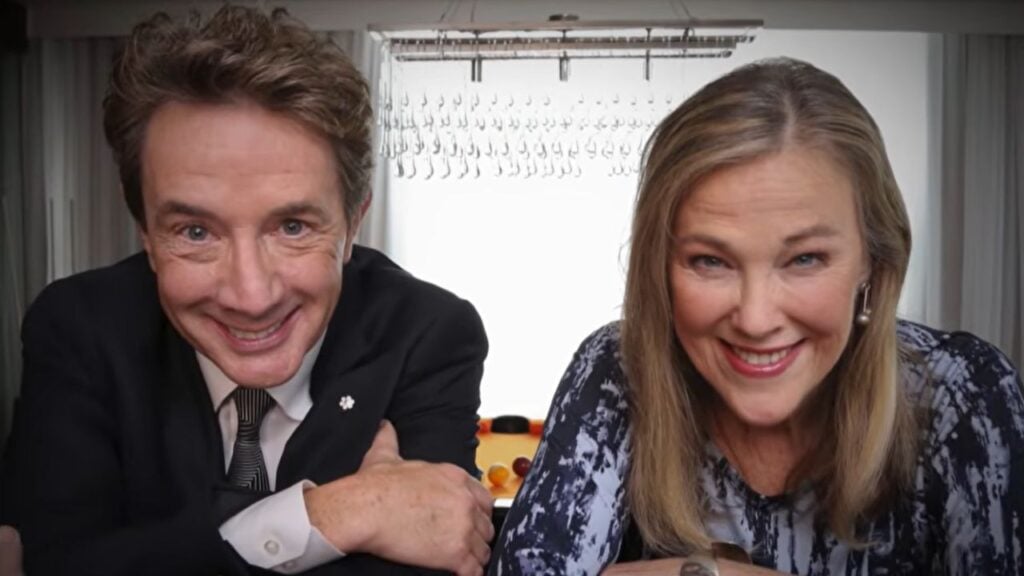
Catherine O’Hara, Short’s close friend and SCTV co-star, died weeks before Katherine. The Netflix documentary about Short’s life and career, “Marty, Life Is Short,” directed by Lawrence Kasdan, is dedicated to both women.
Short told Smith that loss has been a presence throughout his life. By the time he was 20, he had already lost both parents and his older brother David, who died in a car accident. He described what those early losses gave him as “a muscle of survival and handling grief and a perspective on it.”
It is a striking way to describe something that, from the outside, sounds like an unbearable accumulation. He is 76 and has been developing that muscle since he was a teenager. That does not make the losses smaller. It only explains the strange steadiness in the way he talks about them.
What Katherine Built
Katherine trained in social work. She chose to spend her professional life in the mental health space. She was connected to Bring Change 2 Mind, whose mission is to end stigma and discrimination around mental illness through public conversation and youth programs. That detail matters because Short’s interview was not just a celebrity grief segment. It was a continuation of the work his daughter chose. Katherine was not adjacent to this world. It was her work.
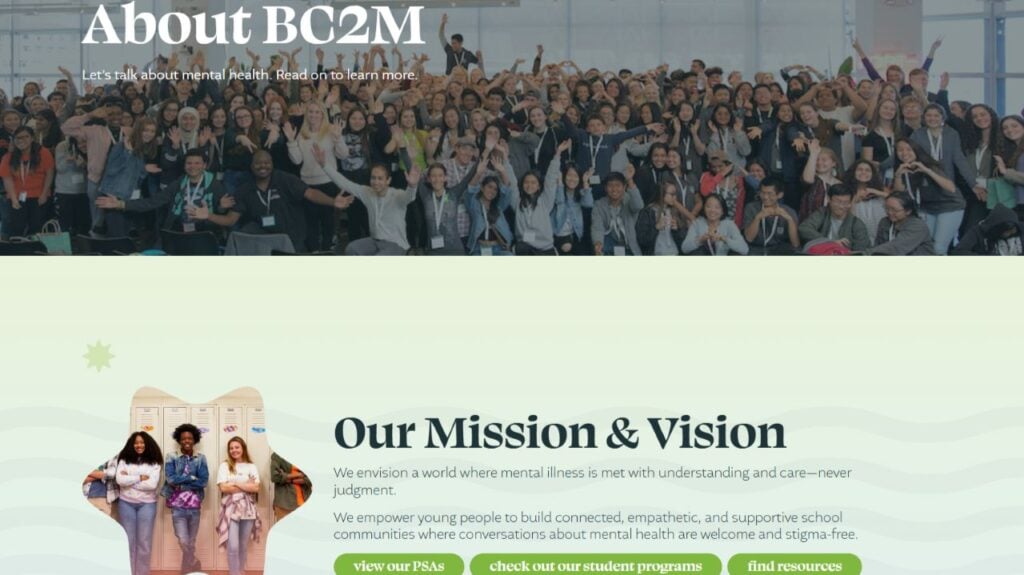
Short said on Sunday that he now has a “deep desire” to be involved with organizations doing exactly that: refusing to hide from the word suicide, treating mental illness as illness, and making room for people to talk about their struggles without shame.
He is continuing in public what Katherine had been doing in her career for years.
“It’s been a nightmare for the family,” Short said of the months since February. The nightmare is real. So is the decision to speak about it this way, to use the platform that comes with being one of the most beloved comedians alive to say that mental illness is a disease, that people who die from it fought as hard as they could, and that the word suicide should not have to be hidden.
Katherine knew that. She built her career on it.
Her father is saying it now to millions of people on a Sunday morning.
If you or someone you know is struggling, the 988 Suicide and Crisis Lifeline is available by calling or texting 988. Bring Change To Mind, the organization Katherine Short supported, can be found at bringchange2mind.org.