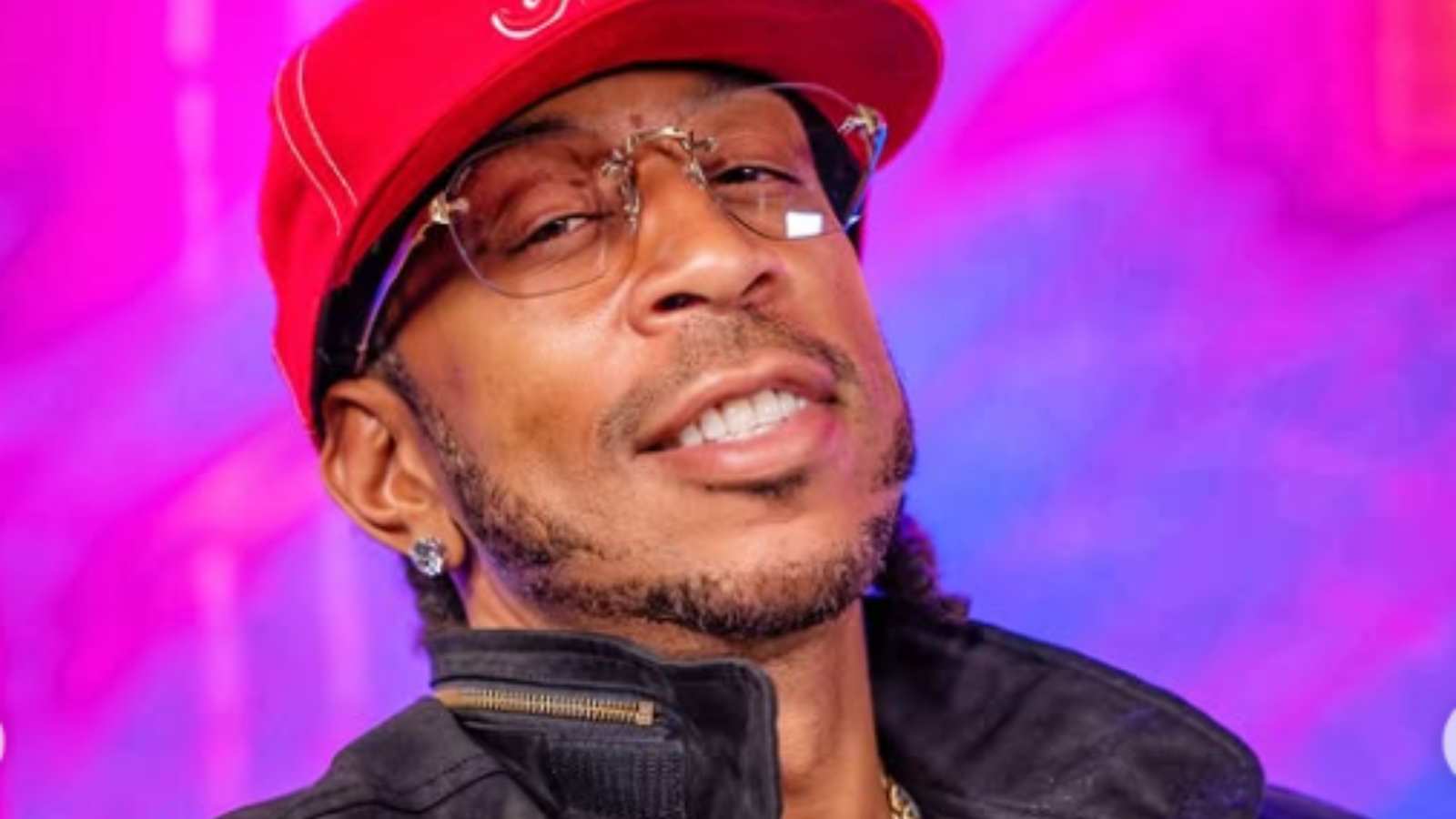
There is a specific kind of silence that settles over a crowd right before a legend speaks. It’s not the absence of noise, but rather a collective holding of breath.
When Chris “Ludacris” Bridges stands before a microphone today, he isn’t just the man who taught a generation how to “Move,” nor is he simply Tej Parker, the tech-wizard backbone of a multi-billion-dollar car franchise.
He is a man standing at a crossroads built from twenty-five years of unrelenting hustle, staring down the barrel of a legacy that is increasingly hard to outrun.
For a long time, we’ve boxed Ludacris into the “successful transition” category. We point at him and say, “See? That’s how you move from the recording booth to the silver screen without losing your soul.” But lately, there’s a different energy radiating from the Atlanta icon. It’s a mix of deep, retrospective gratitude and a visible, vibrating pressure to prove that his “next” is just as vital as his “then.”
The Architect of the Dirty South
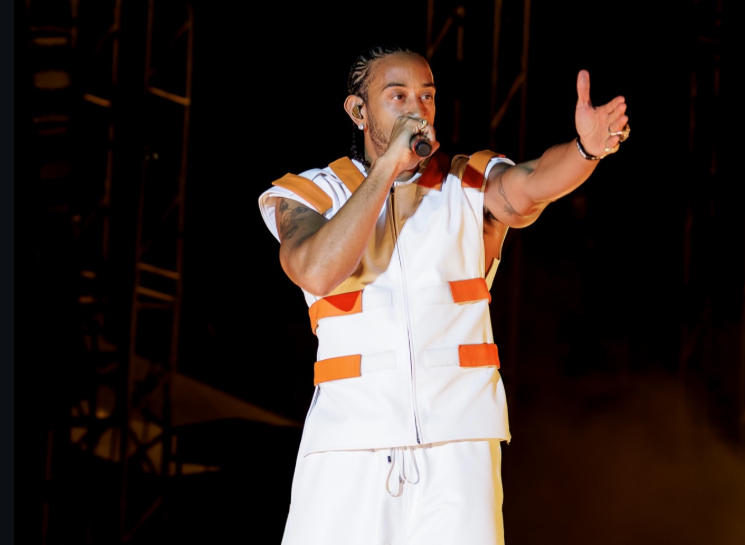
To understand the weight Ludacris carries now, you have to remember the landscape of 1999. Before he was a household name, he was “Chris Lova Lova” on Atlanta’s Hot 97.5. He wasn’t just playing the hits; he was studying the mechanics of what made people move. When Back for the First Time dropped in 2000, it didn’t just put him on the map; it redrew the map entirely.
While the East Coast was steeped in gritty lyricism and the West Coast was riding the G-funk wave, Ludacris brought something else: animated, high-octane elasticity. He was the first rapper who felt like a Saturday morning cartoon come to life, but with the technical precision of a surgeon.
His videos, directed by visionaries like Hype Williams and Bryan Barber, featured oversized prosthetic arms and bobble-head proportions. It was fun, loud, and wildly successful.
But behind the giant sneakers and the “Chicken-n-Beer,” there was a sharp-as-a-tack businessman. Most people don’t realize that Ludacris was one of the first major artists to leverage his own independent label, Disturbing Tha Peace (DTP), into a joint venture with Def Jam.
He wasn’t just an employee; he was a partner. That foundational independence is exactly what makes his current “pressure” so fascinating. When you’ve been the boss for two decades, how do you handle a world that treats you like a heritage act?
The Fast Lane and the Glass Ceiling
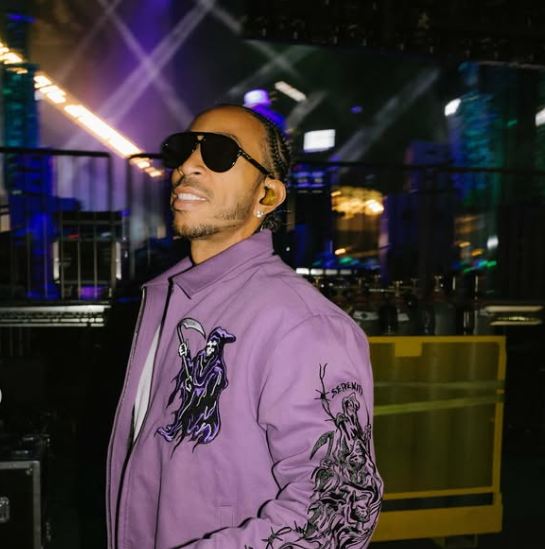
Then came The Fast and the Furious. What started as a supporting role in 2 Fast 2 Furious turned into a twenty-year residency in one of the highest-grossing film franchises in history. Ludacris didn’t just join a movie; he joined a retirement fund.
However, there is an unspoken tax on that kind of success. For years, fans have asked, “When is the new album?” Ludacris has teased it, mentioned “burning desires” to return to the booth, and even dropped impressive freestyles that remind us his pen hasn’t rusted.
Yet, the album remains a phantom. The pressure he faces isn’t financial; it’s the pressure of artistic relevance. In the streaming era, where a nineteen-year-old can rack up a billion plays from a bedroom in London, a veteran like Luda has to decide: do I compete with the new sound, or do I double down on the legend?
Recent acknowledgments, including his Hollywood Walk of Fame star in 2023 and his honorary degree from Georgia State University, have felt like a victory lap. But during these ceremonies, if you look closely, you see a man who isn’t ready to be “done.”
He speaks about his past with tears in his eyes, but his gaze is always darting toward the horizon. He is acutely aware that “thank you” often sounds like “goodbye,” and Ludacris isn’t ready to leave the building.
The “Karma’s World” Pivot
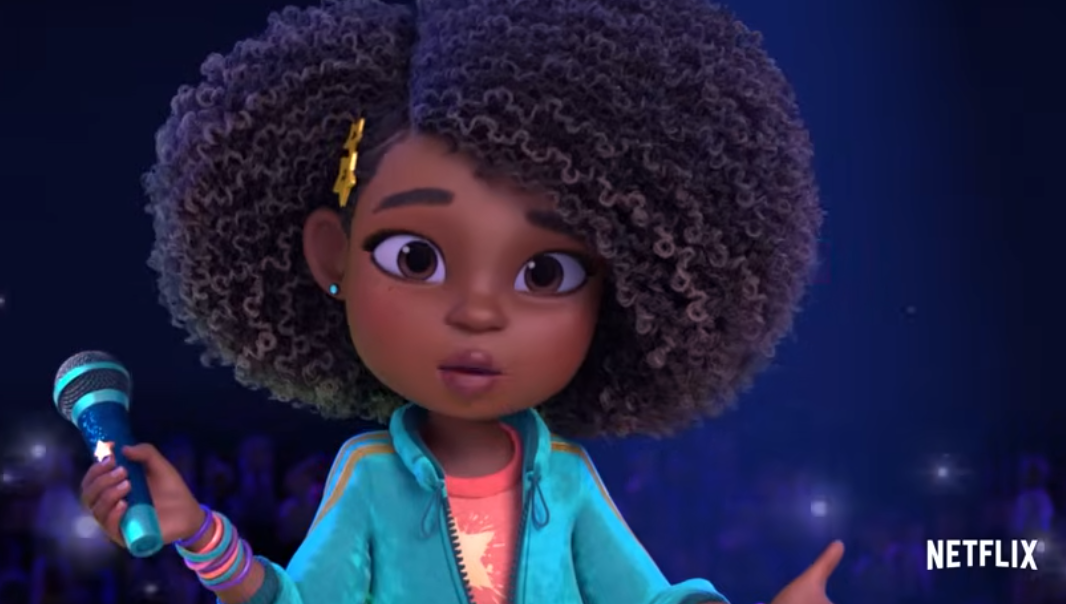
If you want to know what truly keeps him up at night, look past the cars and the rap battles. Look at Karma’s World. Most fans see the Netflix animated series as a cute side project inspired by his eldest daughter. In reality, it is a massive, data-driven gamble on the future of Black media for children.
Ludacris didn’t just slap his name on this; he spent years in development, ensuring the hair textures were culturally accurate and the music was pedagogically sound.Data from media analysts suggests that the “Black kid-vid” market is one of the fastest-growing yet most underserved sectors in global entertainment.
By pivoting into this space, Bridges is attempting to build a Disney-level ecosystem. The pressure here is immense because it’s not just his reputation on the line… it’s a brand intended to outlive him. He’s moving from being the “face” of a franchise to being the “founder” of a universe.
Has the “Nice Guy” Image Cost Him His Edge?
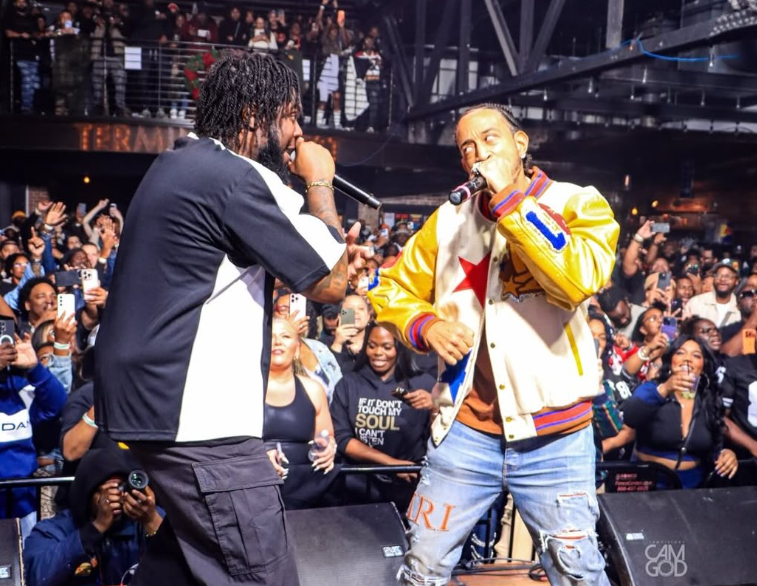
Now, here is where we need to have a real conversation, the kind that might ruffle some feathers in the DTP camp. Here, let me hold your hand for a minute.
There is a growing, quiet sentiment among hip-hop purists that Ludacris’s transition into a “clean,” multi-hyphenate mogul has cost him his “top five” status. In the early 2000s, Ludacris was a formidable battle rapper. He went toe-to-toe with T.I. in a legendary cold war for the “King of the South” title.
He was dangerous on a guest verse, ask anyone who had to follow him on a track. But by becoming so likable, so bankable, and so “Fast and Furious” friendly, has he lost the grit that made him an essential voice? There’s a careful, nonconformist argument to be made that his success in Hollywood has actually diminished his musical legacy.
We’ve traded the man who gave us “Southern Hospitality” for a man who sells Jif peanut butter in Super Bowl commercials. While the commercials are clever and the checks are undoubtedly massive, there’s a void where his cultural disruption once was. The pressure he feels now might not be coming from the industry, but from his own reflection.
Can you be a billionaire-adjacent corporate darling and still be the voice of the streets? Or has the “Luda” we loved been replaced by a carefully curated “Bridges” brand that is too big to fail… and perhaps too safe to be exciting?
Facing the Future

Ludacris recently hinted that his upcoming music is “the best it’s ever been” because he has “nothing left to prove, but everything to say.” That is a dangerous and exciting position for an artist.
He is currently navigating a world that moves faster than a modified Supra. He’s balancing the needs of his four daughters, the demands of a global film franchise, and the internal itch to prove he can still out-rap anyone in the game.
He isn’t just acknowledging his past; he is using it as a shield against the critics who say he’s gone “Hollywood.” Whether he drops a career-defining album or continues to dominate the boardroom, one thing is certain: Ludacris is no longer just “counting his blessings.” He’s weighing them.
Every “thank you” he utters is an acknowledgment of the fans who stayed, but every move he makes next is a calculated strike at the doubters who think his best days are in the rearview mirror.
The pressure is on. But if history has taught us anything about Chris Bridges, it’s that he thrives when the lights are the brightest and the stakes are the highest. He’s not just a rapper, not just an actor, and not just a mogul. He’s a survivor who has mastered the art of the pivot. And if we’re lucky, his next act will be his loudest one yet.