A major shift in New York City’s tax policy just dropped, and it’s already stirring intense debate across political and economic circles.
Zohran Mamdani announced that the city has secured a new “pied-à-terre tax,” marking the first time New York will impose an annual fee on ultra-luxury properties owned by people who don’t actually live in them full-time. The move follows through on a campaign promise that many saw as bold, and others saw as controversial from the start.
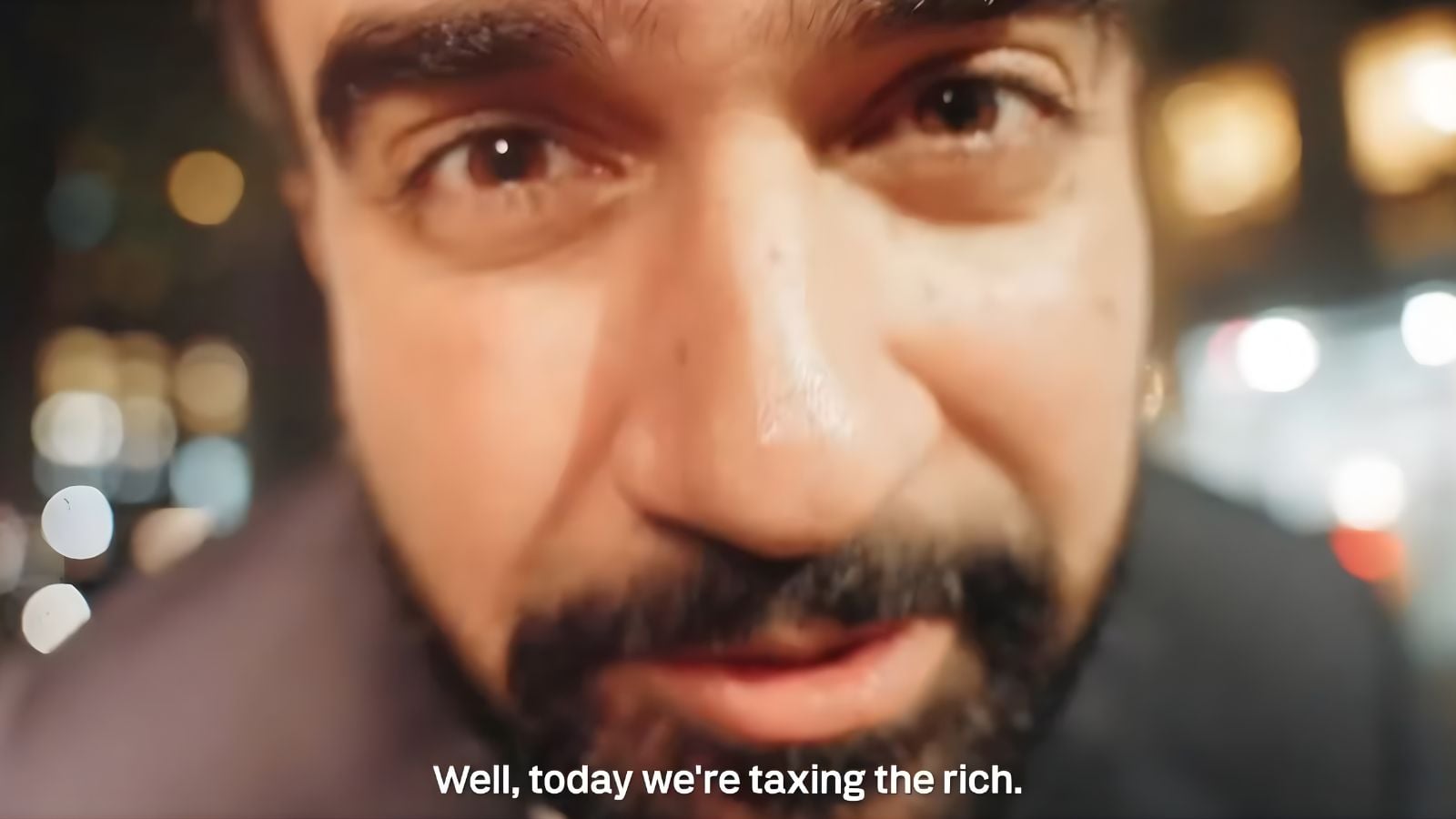
His message was clear. He said he would tax the rich. Now, he says, that policy is in motion.
What the New Tax Actually Targets
The pied-à-terre tax focuses on high-value properties worth more than $5 million, specifically those owned by individuals who use them as secondary homes or investment assets rather than primary residences.
Mamdani framed the policy as a response to a growing issue in New York’s housing market. Wealthy individuals purchase luxury apartments, often leaving them empty for most of the year, while property values continue to rise and affordability worsens for full-time residents.
One example he highlighted was a $238 million penthouse owned by hedge fund CEO Ken Griffin. That property has become a symbol of extreme wealth parked in real estate, with little day-to-day impact on the city’s housing supply.
The argument behind the tax is straightforward. If you benefit financially from owning property in New York, even without living there, you should contribute more to the system that supports that value.
Why Mamdani Calls the System “Unfair”
Mamdani described the current setup as fundamentally unbalanced. In his view, ultra-wealthy property owners have been able to store and grow their wealth in New York real estate without contributing proportionally to the city’s needs.
At the same time, many of these luxury units remain empty for most of the year. They don’t house residents. They don’t build communities. Yet they still influence market prices and reshape neighborhoods.
He positioned the tax as a correction. A way to shift some of that burden back onto those who benefit the most, especially when working residents are dealing with rising rents and limited housing options.
Happy Tax Day, New York. We’re taxing the rich. pic.twitter.com/Wky2LFXC9W
— Mayor Zohran Kwame Mamdani (@NYCMayor) April 15, 2026
Where the Money Will Go
According to Mamdani, the new tax is expected to generate at least $500 million annually for New York City. That revenue is being framed as a direct investment back into the lives of everyday residents.
He outlined several key areas where the funds could be used, including free childcare programs, sanitation improvements, and public safety efforts aimed at creating cleaner and safer neighborhoods.
The messaging is deliberate. This is not just about taxing wealth. It is about redistributing it into services that affect daily life across the city.
“Everyone Has a Role to Play”
Mamdani closed his announcement with a broader statement about civic responsibility. He emphasized that everyone who benefits from New York City should contribute to its growth and maintenance, but that contribution should not be equal across the board.
For the ultra-wealthy, he argued, the expectation should be higher.
His final line captured the tone of the moment.
“Happy Tax Day, New York.”
The Backlash Comes Fast
The reaction online was immediate and intense, with critics framing the policy as government overreach rather than economic fairness.
Some responses were outright hostile. One commenter wrote, “Imagine the audacity to think you are unequivocally entitled to what others have earned,” before calling the move a reflection of entitlement taken too far. Others argued that the policy crosses a line into controlling personal property, with one saying the government has no right to dictate how long someone must stay in their own home.
Another reaction focused on Mamdani himself rather than the policy, expressing discomfort with his background and authority to target wealthy individuals by name. That comment highlighted how quickly economic debates can shift into personal and political territory.
A Debate That Goes Beyond One Tax
Supporters see the policy as long overdue, especially in a city where wealth inequality is highly visible and housing remains a major issue. They argue that empty luxury properties serve no real purpose for residents and that taxing them is a logical step.
Critics see something else entirely. To them, this is a warning sign of expanding government control and a potential threat to investment, property rights, and economic freedom.
The bigger question now is not just about this one tax. It is about how far cities should go in targeting wealth tied up in real estate, and who ultimately decides what is fair.
New York has made its move.
Now the argument begins.
Do you think Mamdani’s move to tax the rich is the right approach to fixing inequality, or does it go too far?