The flash of a camera bulb used to mean one thing: a red-carpet stumble, an A-lister’s secret coffee run, or a Hollywood scandal unfolding in the vast plane of West Hollywood. For decades, the rhythm of celebrity journalism was set to this specific, intrusive beat.
But lately, the paparazzi aren’t just lurking outside upscale bistros or waiting in the shadows of luxury hotels anymore. They’ve swapped their velvet-rope credentials for press passes to the hallowed halls of Capitol Hill, and the result is a cultural collision that has left Washington reeling… and the ladies of The View absolutely split down the middle.
It’s a wild new frontier where the bubble wand in a Senator’s hand is suddenly as newsworthy as a starlet’s wardrobe malfunction, and it forces us to ask: when the lines between TMZ-style ambush tactics and political journalism blur into one messy, unfiltered stream, what exactly happens to the gravity of our democracy? The shift has been seismic, jarring, and, if you’re anything like me, impossible to look away from.
The Capitol Hill Ambush
The tactical pivot by the tabloid giant into the heart of the nation’s capital began in earnest this week as Congress returned from a two-week recess.
With the launch of its dedicated bureau, a three-person team, Charlie Cotton, Jacob Wasserman, and Jakson Buhaj, immediately began zigzagging across the Capitol complex, treating the halls of power with the same relentless, paparazzi-style intensity they usually reserve for Hollywood red carpets.
This wasn’t the typical, scheduled press availability found in the quiet corners of the press gallery; it was a deliberate, rapid-response pursuit designed to catch lawmakers off guard, away from their curated talking points and prepared press statements.
The bureau’s first days in the District saw them successfully intercepting prominent Republican Senators Lindsey Graham and Ted Cruz as they navigated the Capitol. For Senator Graham, the encounter was immediate and jarring.
He was directly confronted about being spotted at Disney World during the recent recess, specifically about his use of a bubble wand. The video evidence shows Graham reacting viscerally, physically placing his hand over the TMZ camera to block the shot and refusing to engage with the question.
Shortly thereafter, the team cornered Senator Cruz, pressing him to weigh in on the high-profile tensions between President Trump and Pope Leo XIV. Cruz, likely anticipating the aggressive, unscripted nature of the inquiry, declined to take a side.
These initial encounters have signaled to the entire Capitol Hill establishment that the standard, polite veneer of political journalism is facing a new, persistent, and entirely unpredictable variable.
The Case for Scorched-Earth Accountability
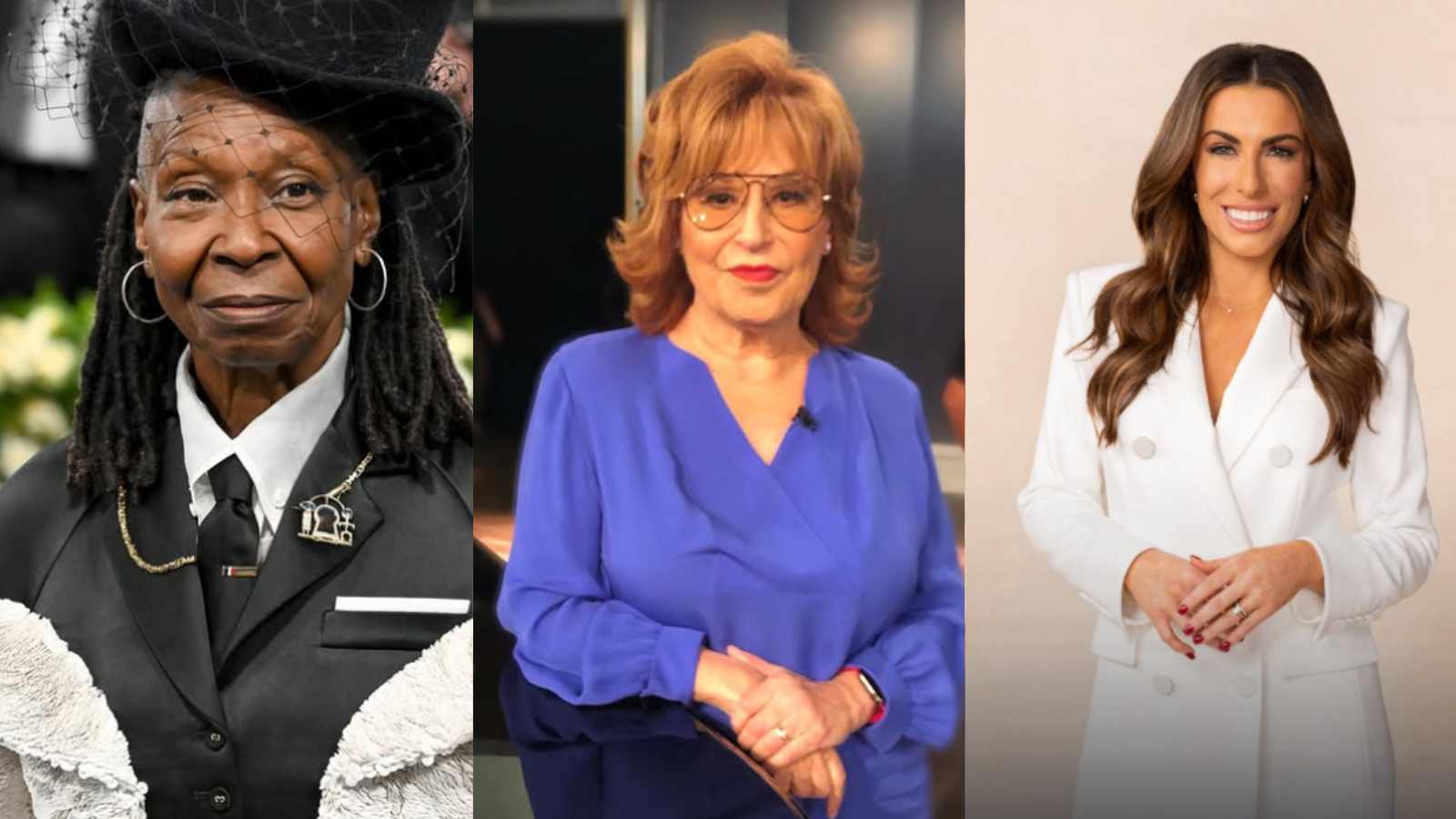
On the other side of the table, Alyssa Farah Griffin and Joy Behar found themselves in a rare moment of alliance, arguing that this tabloid-style scrutiny might be exactly the medicine a sluggish political establishment needs.
NEW TMZ DC BUREAU TRACKS DOWN CRUZ, GRAHAM: After TMZ DC was officially launched, ‘The View’ co-hosts question if American politics are turning into a nationwide reality show. pic.twitter.com/n8I1B5lfgb
— The View (@TheView) April 16, 2026
The argument here is compelling: if a politician is comfortable acting in ways that would be scrutinized if they were a high-profile actor, why should they get the benefit of a “soft” press corps?
Griffin hit on a point that resonates far beyond the screen: our elected officials have historically operated behind a veil of deference that many voters now find archaic.
In an era when the divide between the elite and the average citizen feels wider than ever, watching a lawmaker squirm on camera as they’re asked about their whereabouts doesn’t necessarily feel like an invasion… it feels like an equalizer.
This perspective suggests that the “TMZ-ification” of politics is perhaps a necessary correction. If our representatives are going to engage in the theater of D.C., they should be prepared for the reality that their character, their off-hours choices, and their inconsistencies are fair game.
The outlet’s method of cutting through the carefully crafted press release to reach the raw, unedited footage of a politician refusing to answer a question… or simply running away, provides a level of transparency that traditional, polite journalism often fails to capture.
It’s loud, it’s aggressive, and it’s arguably more honest than a curated interview in a sterile studio.
The Counter-Argument
Yet, we must consider the sobering downside of this trend, a view that invites a more measured, perhaps even skeptical, analysis of the future of news.
While the chaos of a paparazzi-chased politician makes for viral, high-engagement content, there is a legitimate concern that this strategy risks trivializing the very issues that determine the nation’s future.
When we focus on the bubble wand, do we lose sight of the budget? When we prioritize the “gotcha” moment at a casino bar over a deep dive into legislation, are we actually informing the public, or just feeding a hunger for outrage and spectacle?
There is a real risk that this approach replaces meaningful accountability with performative shaming. Once the threshold for “political journalism” drops to the level of tracking a Representative’s vacation or capturing a candidate’s awkward silence, the incentive shifts away from complex, investigative reporting.
The danger isn’t just that it’s disrespectful; it’s that it encourages a race to the bottom where the most sensational clip wins, not the most informed analysis.
We risk becoming a society that knows exactly which lobbyist a politician visited but has no idea how their voting record affects the cost of living or national security. This isn’t just a shift in media; it’s a shift in what we collectively decide is worth knowing, and that choice has consequences.
Ultimately, the debate on The View reflects a broader, uneasy realization. We have created a media environment that demands constant, high-octane stimulation, and we are now reaping the results as that demand migrates from Hollywood to the Capitol.
Whether this shift heralds a new, more transparent era of accountability or simply accelerates the degradation of political discourse remains to be seen.
But one thing is clear: the cameras are on, the lights are bright, and in the new age of political warfare, no one is safe from the lens… and maybe, for better or worse, that is exactly how it’s going to stay.