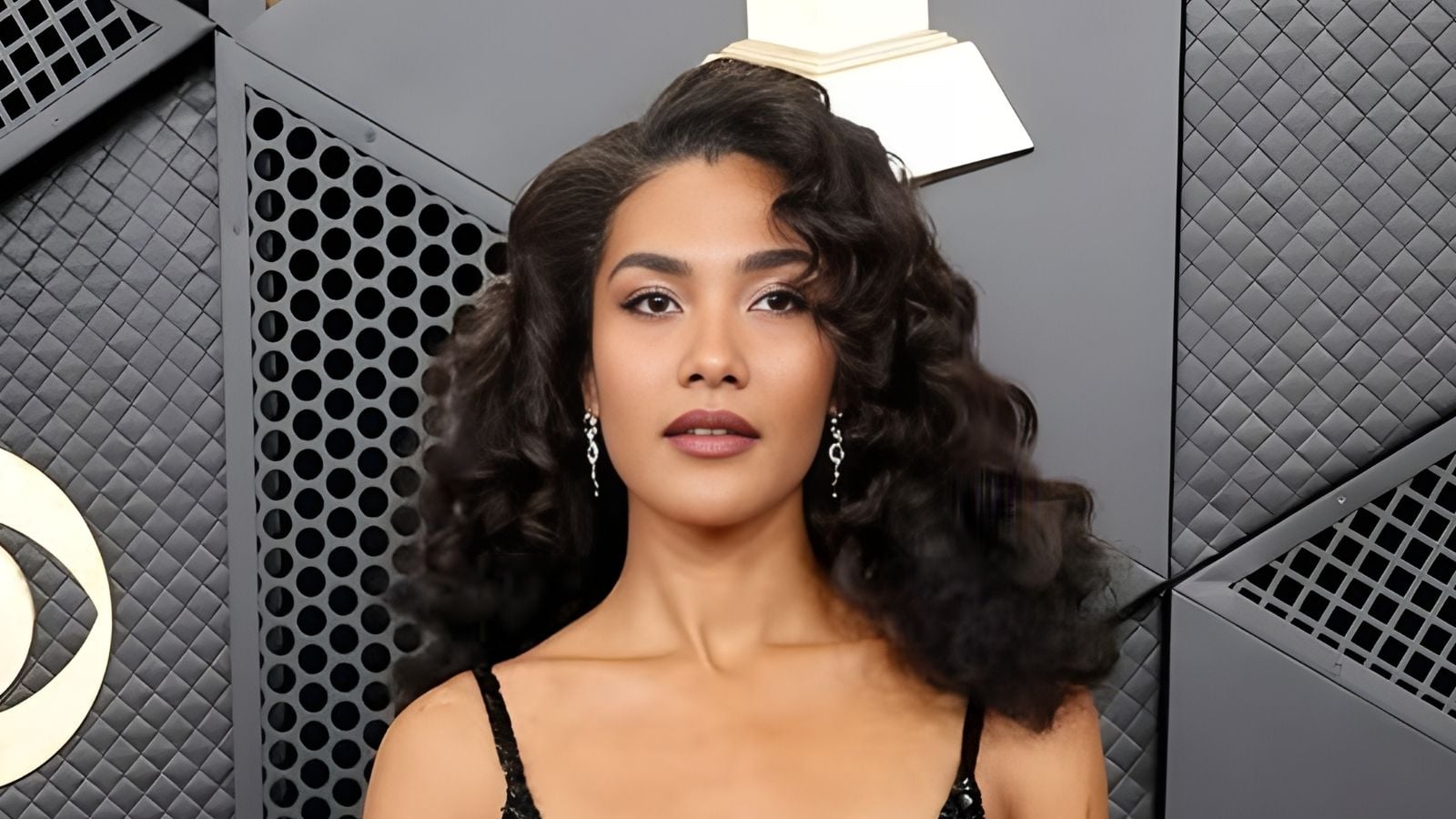
When the Grammys air live, viewers expect surprises. Sometimes it is a viral outfit. Sometimes it is an emotional thank you. And sometimes it is a split second of silence that sends the internet into a spiral.
That is exactly what happened when Olivia Dean became the center of online debate after a brief moment from her on-air remarks appeared to be muted during the live Grammy broadcast. The muted phrase, which viewers quickly identified as “Jesus Christ,” sparked backlash, confusion, and a whole lot of hot takes across social media.
What followed was a familiar pop culture cycle. Clips spread, reactions exploded, and questions about censorship and live TV standards took over timelines.
The Moment That Caught Everyone Off Guard
Dean, the 26-year-old British singer-songwriter known for her soulful tracks like “Man I Need,” was emotional from the start. She smiled through tears and said, “Thank you. Um, Jesus Christ. Um, I never really imagined that I would be up here, let alone nominated.”
The “Jesus Christ” came across as a casual expression of shock, like anyone might say when something huge happens. But on network TV, with its strict standards and delay button, it triggered a quick mute. Clips spread fast on social media, showing the brief silence followed by her continuing smoothly.
Fans rewatched the official Grammy YouTube upload and compared it to fan recordings. The difference was clear: the phrase vanished on the broadcast version. Dean went on to thank her team, shout out her best-friend manager Emily, and highlight her immigrant heritage. “I’m up here as the granddaughter of an immigrant,” she said. “I’m a product of bravery, and I think those people deserve to be celebrated.” The speech itself earned praise for its warmth and message of community. But that muted second stole some of the spotlight.
🚨Olivia Dean was censored when she said “Jesus Christ” during her Grammy Speech! pic.twitter.com/GFlHFGbfaa
— GodlyVibez Studios (@GVStudios_TV) February 5, 2026
Why the Reaction Became So Intense
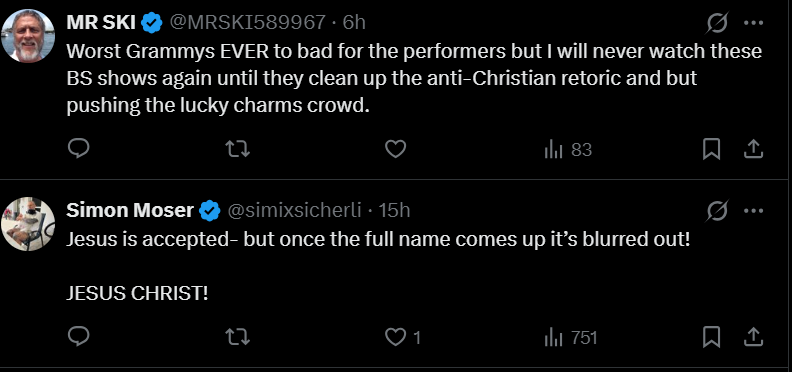
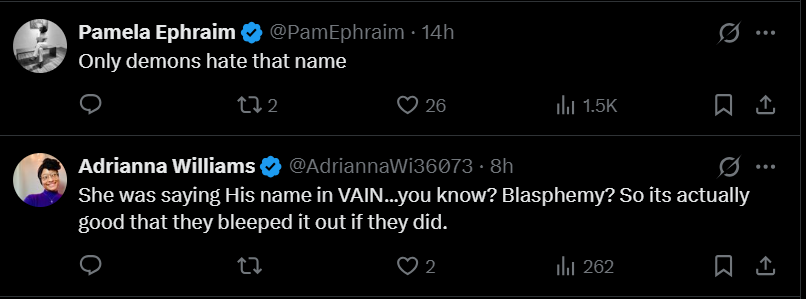
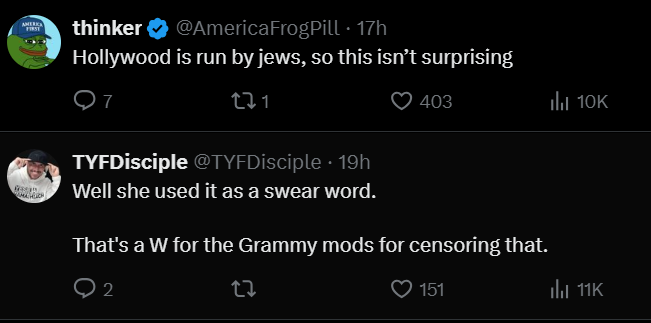
Social media lit up, especially a few days after the February 2 ceremony. Many users shared clips and asked why a common phrase got treated like profanity. Backlash did not come from one direction. Some fans accused the network of being disrespectful or inconsistent. Others argued that religious language should not be treated as offensive, especially when used casually and not as an insult. There were also viewers who shrugged it off, saying live TV mishaps happen all the time. But even that response did not slow the conversation.
Christian accounts framed it as silencing faith. One viral take labeled it “demonic” for muting what they saw as thanks to Jesus (though transcripts show it was more shock than praise). Some viewers joked about TV being stuck in the past compared to streaming, where unfiltered moments fly freely.
The timing added fuel. Award shows already face scrutiny over artist treatment, politics, and consistency. Dean’s win came amid a diverse Best New Artist field, and her immigrant shout-out resonated. For her supporters, the mute felt like it interrupted a genuine, rare high-visibility win for an international act. Here are some top reactions:
What It Says About Live TV and Pop Culture Right Now
Award shows thrive on surprises, but live broadcasts come with guardrails. Networks use delays to catch anything that might cross lines, even if it means a quick silence on something harmless. Streaming fans expect raw emotion without cuts. When those worlds collide, small moments turn big.
Dean hasn’t commented directly on the mute yet, which left room for speculation to grow. The conversation shifted from celebrating her win and message to debating censorship rules. In the end, a fraction-of-a-second pause became the bigger story than the full speech.
Live TV will always chase authenticity while playing by old rules. Moments like this show how closely everyone watches, and how fast a tiny edit can spark endless opinions. In a world glued to screens, even the words we don’t hear can say the most.
The real win? Dean’s talent got recognized, her story got told, and her voice reached millions. The mute might have sparked noise, but it couldn’t quiet what she came to say.
What do you think?