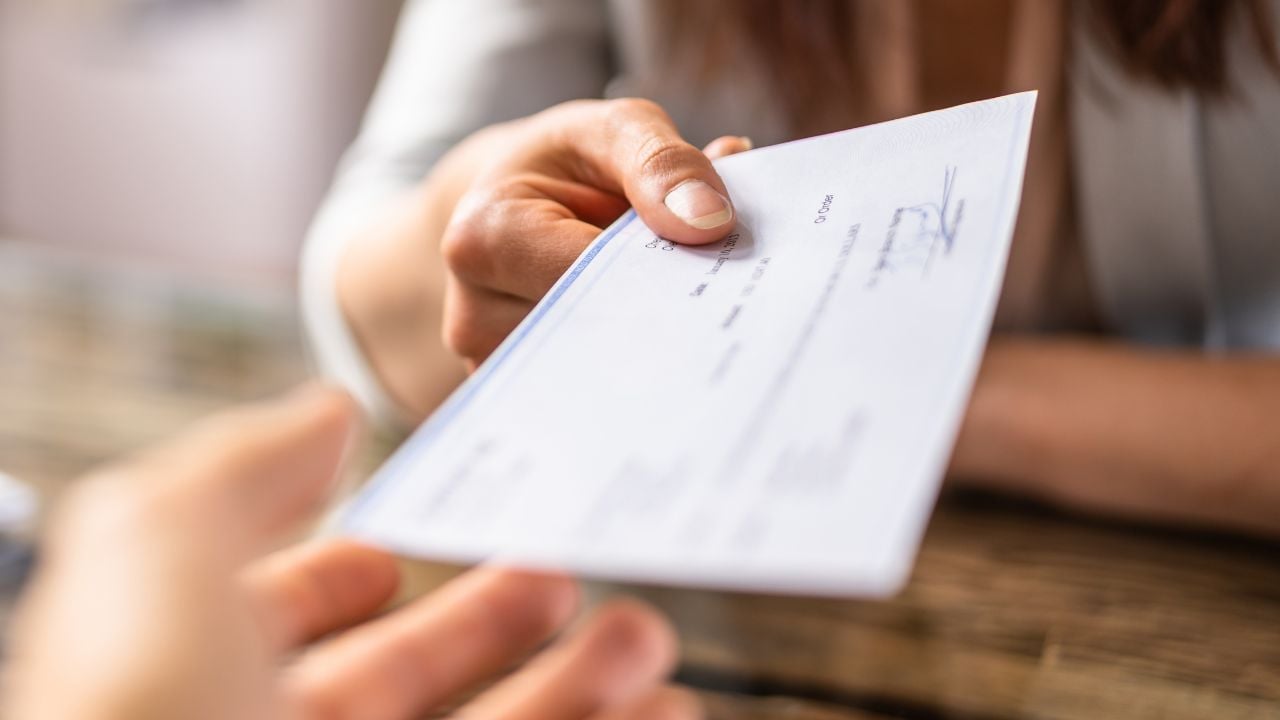
An Omaha college honors student lost nearly $5,000 after responding to an online work-from-home job offer that turned into a fake check scam.
Serin Anderson, a business major, said he applied for a remote data entry job that promised $25 an hour, according to WOWT.
He believed the position could help him gain career experience and give him something useful to add to his resume.
Instead, the offer left him overdrawn after the check connected to the job was later flagged as fraudulent.
The Job Offer Came With a Nearly $5,000 Check
Omaha college student loses nearly $5K in online job scam involving fake check
https://t.co/63AWZ3q27N— First Alert 6 (@WOWT6News) July 7, 2026
Anderson received a check for nearly $5,000 from what appeared to be a legitimate Alabama company.
He now believes the check may have been stolen, washed, and forged. The people behind the job offer instructed him to deposit the check and use the money to buy home data processing equipment for the position.
The equipment purchase was supposed to be made through Cash App. Anderson later said the “vendor” was probably the scammers themselves.
The Equipment Never Arrived
After sending the money, Anderson did not receive the work equipment he had been told to buy.
His bank later notified him that the check was fraudulent and because of that nearly $5,000 was withdrawn from his account after he had already sent money out.
He told WOWT the check had been sitting in his account for a period of time before it was ultimately claimed as fraudulent.
The Scam Worked Because the Deposit Looked Real at First
Josh Planos of the Better Business Bureau told WOWT that fake check scams work because banks are legally required to make funds available quickly, often within a day or two.
The problem is that a bank can still take the money back later if the check turns out to be fake, stolen, altered, or otherwise fraudulent. By then, the victim may have already sent real money to the scammer.
The Federal Trade Commission warns that fake checks can take weeks to be discovered, and the person who deposited the check may still be responsible for paying the bank back.
Anderson filed a fraud report with his bank. He said he hoped the bank would return the money at least temporarily while it completes its 90-day investigation.
No Real Employer Sends a Check for Equipment Through Cash App
A legitimate employer should not send a new worker a check and then tell them to use the money to buy equipment through Cash App, a payment app, cryptocurrency, gift cards, wire transfer, or a vendor chosen by the employer.
The FTC says a request to deposit a check and send money back is a sign of a fake check scam. The agency also says anyone who asks a person to pay to get a job is running a scam.
Before accepting a remote job, applicants can verify the company through its official website, contact the employer through a published phone number or email address, and search the company name with words such as “scam,” “complaint,” or “fake check.”
Anyone who already deposited a check from a supposed employer should not send money out until the bank confirms the check has fully cleared. If money was sent, the next step is to contact the bank and payment app immediately, save the job posting, emails, messages, check images, usernames, payment receipts, and vendor details, and report the scam to local police, the FTC at ReportFraud.ftc.gov, and the FBI’s Internet Crime Complaint Center at IC3.gov.