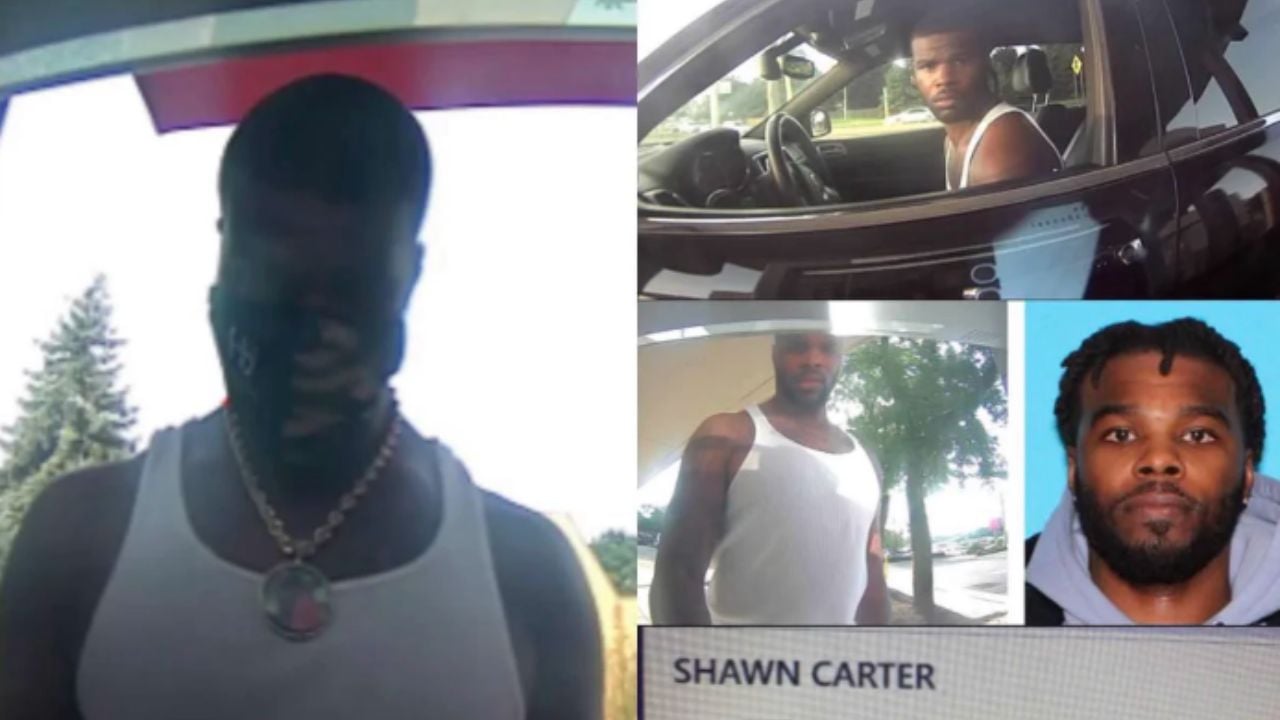
Federal investigators say two Metro Detroit residents were connected to a sprawling unemployment fraud operation involving more than 400 suspected fraudulent claims across 32 states and approximately $4.1 million in benefits that were actually disbursed.
Shawn Carter, 38, of Woodhaven, and Danielle Thomas, 36, are charged with conspiracy to commit wire fraud and aggravated identity theft.
According to ClickOnDetroit, investigators linked the pair to claims filed between March 2020 and March 2022 using overlapping addresses, bank accounts, email addresses, IP data and other similarities.
Authorities say some claims used other people’s identities, generated unemployment debit cards and sent the cards to Michigan addresses. The benefits could then be converted into cash through ATM withdrawals around Metro Detroit.
One of the most revealing moments came in October 2021, when police arrived while Thomas was allegedly trying to withdraw money. Investigators say messages between the pair then shifted from discussing cards and banks to Carter telling Thomas to “Delete all your messages.”
More Than 400 Claims Led Back to the Same Digital Trail
Detroit-area duo pulled off $4.1M fraud scheme, panicked when police showed up, feds say
Investigators say a Metro Detroit duo has been tied to hundreds of suspected bogus jobless claims across 32 states totaling over $4 million. And when things went sideways, investigators say… pic.twitter.com/iZTFhcXKzs
— Erika Erickson (@ErikaEricksontv) August 6, 2026
Investigators associated Carter and Thomas with at least 409 suspected fraudulent unemployment insurance claims filed across 32 states. Approximately $4,117,788 in benefits was ultimately disbursed on claims associated with the pair, according to the federal complaint.
Agents identified at least 68 suspected fraudulent claims filed in Carter’s name using his Social Security number as well as Social Security numbers belonging to other people. Thomas was linked to at least 25 suspected claims filed in her name using her own and other people’s Social Security numbers. Investigators identified another 26 suspected claims connected to her home address.
The broader group of claims was linked through overlapping digital and financial information, including IP addresses, email accounts, bank accounts, residential addresses and similarities in information entered on the unemployment applications.
Debit Cards Turned the Benefits Into Cash
Investigators say fraudulent unemployment claims generated debit cards that were mailed to Michigan addresses even when the underlying benefits came from other states. Those cards were then allegedly used to withdraw money around Metro Detroit.
One California claim resulted in $20,100 being deposited onto a Bank of America unemployment debit card mailed to a Detroit-area address. Bank surveillance footage from an August 25, 2020, withdrawal allegedly showed Carter using the card. Investigators also said a gold necklace visible in the ATM footage matched one shown in an image recovered from Carter’s phone.
Another California claim generated $20,400 in benefits. Investigators later interviewed the person whose identity appeared on that application. The person said they had not applied for unemployment benefits, received the money or authorized anyone else to file the claim.
Investigators also identified a Hawaii claim allegedly filed using the identity of a different man who was also named Shawn Carter. That man told federal investigators in 2024 that he had never filed the claim and was a victim of identity theft.
Police Arrived During an Attempted Withdrawal
The case took a significant turn on October 12, 2021, when Dearborn police responded to a report of fraud in progress at Dearborn Federal Credit Union. Authorities say Thomas was attempting to withdraw money using a fraudulent card.
When officers requested identification, investigators say she presented a counterfeit Pennsylvania driver’s license containing the name of a real person but Thomas’ photograph.
Police arrested her and reported finding multiple additional fake driver’s licenses bearing her image, along with California unemployment debit cards issued in other people’s names.
Officers also seized Thomas’ phone. A later search allegedly uncovered personal identifying information, unemployment claim details, email accounts connected to claims and conversations with Carter about unemployment debit cards and cash withdrawals.
The Messages Changed When Police Showed Up
Messages cited in the complaint allegedly show Carter and Thomas coordinating which unemployment cards remained active and where withdrawals could be made. On the day Thomas was arrested, investigators say the pair discussed a card that had been declined at one bank but worked at another.
Thomas allegedly messaged that she had been able to withdraw $5,000. The conversation then changed abruptly when she told Carter that police had arrived. According to the complaint, Thomas later told Carter that she was handcuffed and secretly texting from the police car while officers searched her vehicle.
When Carter asked what was inside, Thomas allegedly responded that the vehicle contained cards, money and identification documents. Carter then told her to delete all of her messages, investigators say.
A Later Search Produced More Fake IDs and Financial Records
Authorities searched Carter’s Woodhaven home on July 13, 2023, during a separate bank and check fraud investigation. Police reported finding dozens of fake identification cards, documents associated with fraudulent bank accounts, cashier’s checks and counterfeit Social Security cards. Electronic devices seized during that search were later examined under a federal warrant for evidence related to unemployment fraud.
Both are charged with conspiracy to commit wire fraud and aggravated identity theft. The initial court schedule listed a preliminary hearing in Detroit for August 7. Prosecutors will have to prove the criminal allegations against them in court.
An Unexpected Unemployment Notice Can Signal Identity Theft
People whose identities are used for unemployment fraud may discover the problem only after receiving an unemployment determination, a notice from an employer or a Form 1099-G reporting benefits they never collected.
The Michigan Unemployment Insurance Agency advises anyone who receives unemployment paperwork for a claim they did not file to report the suspected identity theft immediately. Acting quickly can help stop a fraudulent claim before additional benefits are paid.
Victims should also preserve unemployment notices, tax documents and other correspondence connected to the fraudulent claim. If benefits were issued in another state, the fraud should be reported directly to that state’s unemployment agency as well.
Because unemployment fraud can involve stolen Social Security numbers and other identifying information, victims should review their credit reports and consider placing free credit freezes with Equifax, Experian and TransUnion.
Identity theft can also be reported through IdentityTheft.gov, which provides a recovery plan for addressing accounts and government benefits obtained in someone else’s name.