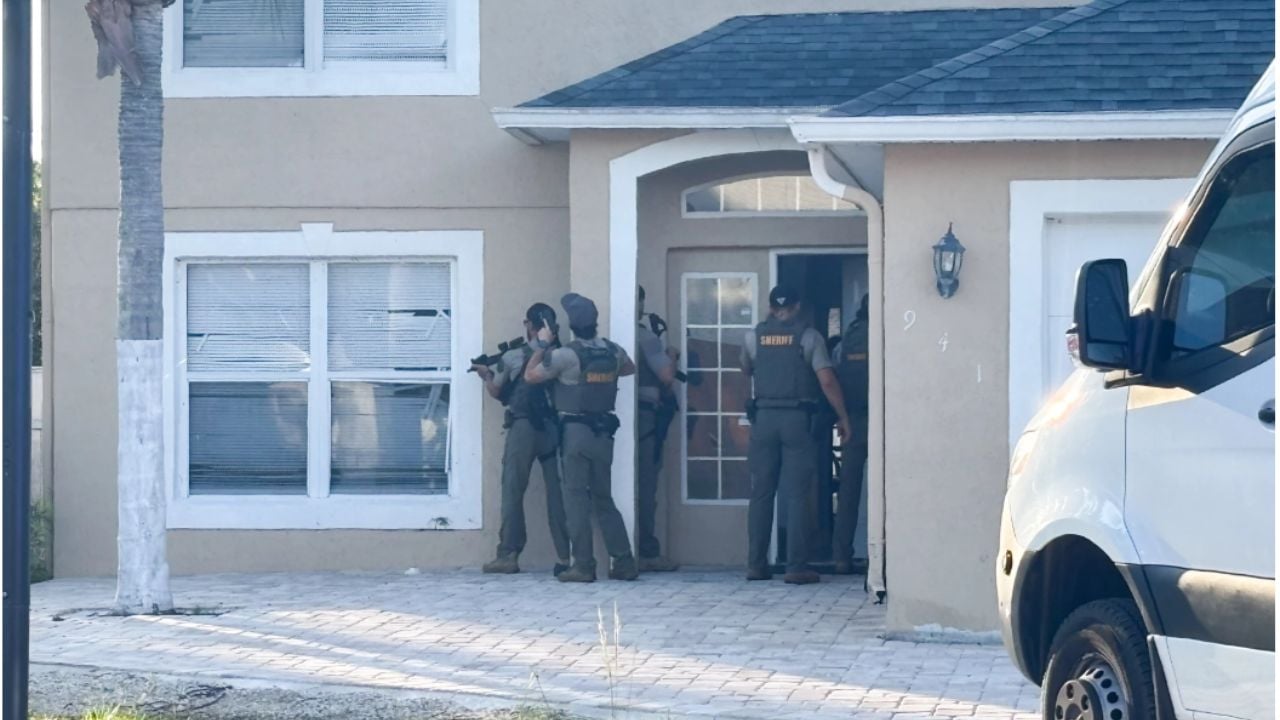
Two Central Florida operators are facing felony charges after authorities said a network of homes in Polk and Osceola counties functioned as unlicensed assisted-living facilities for vulnerable residents.
Ronald Keith Pack, 60, and Marie Carenan, 56, were arrested on charges that include organized scheme to defraud, exploitation of an elderly person or disabled adult, aggravated abuse, aggravated neglect, abuse, neglect, and public assistance fraud, according to the Florida Attorney General’s Office.
The state said Pack and Carenan operated under Cherish Home Care, Inc. and Cherish Independent Living Care, Inc. Authorities accused them of receiving referrals from mental health and behavioral health facilities, transporting vulnerable patients to the homes, and then taking control of residents’ identification, EBT cards, Social Security benefits, medications, and personal belongings.
Osceola County Sheriff Christopher Blackmon said deputies executed search warrants at three homes after an investigation that began in March 2025, according to WUSF. Polk County deputies executed three more search warrants on their side of the county line.
Investigators Say The Homes Were Not Licensed For That Care
An affidavit filed in court said the homes were presented as independent living facilities but were actually operating as unlicensed assisted-living facilities, WUSF reported. The affidavit followed an eight-month investigation that included site visits, witness interviews, text messages, and financial records.
Investigators documented the taking and use of residents’ Supplemental Nutrition Assistance Program cards. They also reviewed monthly payments made with government funds from mental and behavioral health facilities that transferred patients into the homes.
On Wednesday, the Florida Department of Children and Families removed 38 residents and placed them in licensed facilities.
Officials Reported Locked Food And Restricted Movement
The Florida Attorney General’s Office said residents reportedly could not leave freely, manage their own finances or food, or access emergency medical care. State officials also alleged that the residents’ freedom was restricted through padlocked doors, windows, refrigerators, and cabinets.
ClickOrlando reported that the homes had no licensed nurses on site, even for bedridden residents. At two Osceola homes searched Wednesday, one had nine residents and one caregiver, while another had eight residents and one caregiver, according to the sheriff’s office.
Blackmon said his office had received more than 300 calls for service at the Osceola County properties since 2024. The Attorney General’s Office also said the investigation found repeated DCF complaints of physical, sexual, and psychological abuse and evidence of fraudulent use of public assistance benefits.
The Charges Include Public Assistance Fraud
The state’s seven-count filing charges Pack and Carenan with organized scheme to defraud involving an elderly person or disabled adult over $20,000, exploitation of an elderly person or disabled adult over $10,000, aggravated abuse, aggravated neglect, abuse, neglect, and public assistance fraud.
Authorities said the homes operated as Cherish Home Care and Cherish Independent Living. WUSF reported that as many as nine homes were involved at one point, though three had already closed during the Osceola County investigation.
Blackmon said additional charges are expected.
Families Can Check A Facility Before Placement
Blackmon urged families to verify that any long-term care facility is properly licensed, staffed with qualified professionals, and operating under state guidelines before placing a loved one there.
In Florida, families can use FloridaHealthFinder.gov to look up licensed assisted-living facilities, nursing homes, adult family care homes, and other health care providers.
Warning signs can include unclear licensing, locked food storage, residents unable to access their own benefits or identification, missing medications, unexplained control over EBT or Social Security funds, too few caregivers, no licensed nursing support for residents who need medical care, and a facility that refuses to explain who is legally responsible for the residents’ money and care.