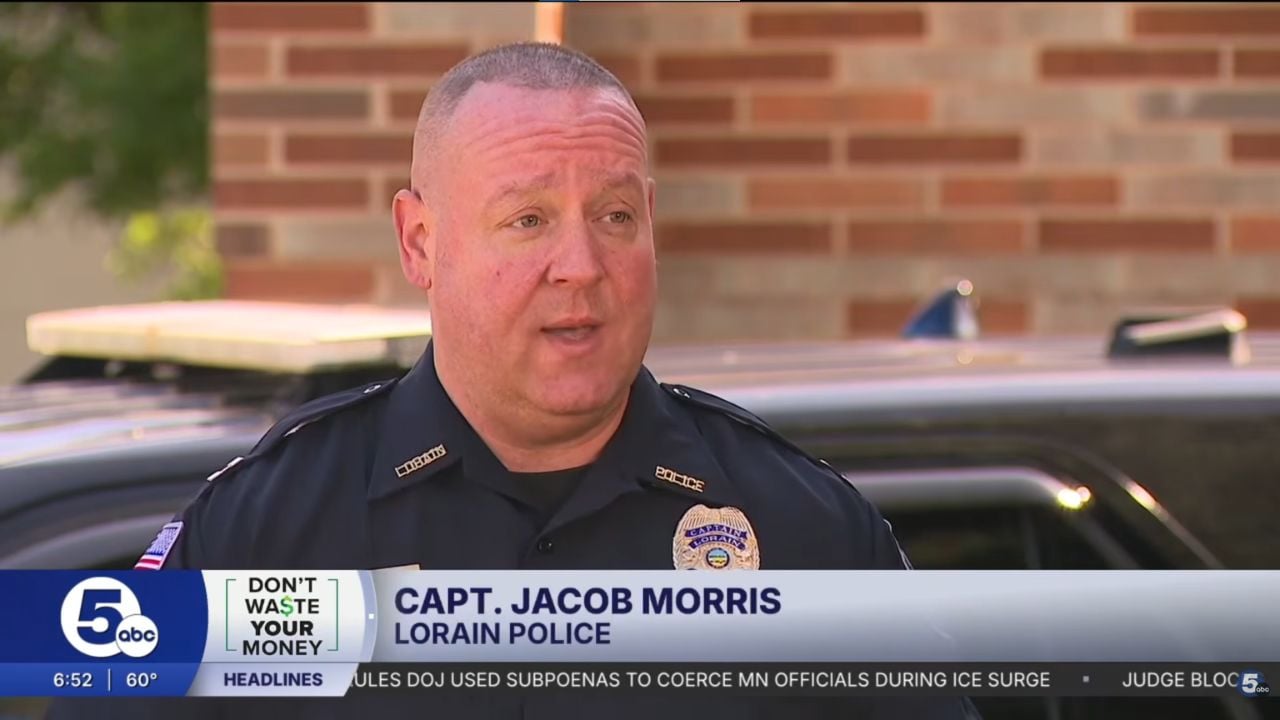
A scammer thought he had found another person to scare with a fake warrant story. Instead, the call went to a police captain.
Jacob Morris, a captain with the Lorain Police Department in Ohio, received a call from a man claiming to be with the “Medina County Sheriff’s Department warrant division,” according to News 5 Cleveland.
The caller said Morris had missed jury duty and could face a warrant unless he paid $2,400.
The scammer did not know Morris was a 16-year law enforcement veteran. Morris recorded the call on his personal cell phone and let the conversation continue so others could hear how the scheme sounds when it is happening in real time.
The Caller Claimed To Be From A Warrant Division
The call started with the man identifying himself as “Captain Michael” from the Medina County Sheriff’s Department warrant division, News 5 Cleveland reported. One warning sign came early. The caller did not pronounce Medina correctly.
The payment demand came later. The caller claimed Morris had missed jury duty and said a warrant could be issued unless he paid $2,400.
According to the station, the caller also suggested the money would suspend the warrant and be returned later, making the demand sound less risky than an ordinary payment to a stranger.
The Fake Payment Rule Was Meant To Sound Official
The caller tried to explain the payment demand as if it were part of law enforcement procedure. News 5 Cleveland reported that he claimed the department no longer accepted certain payment types because of past fraudulent activity.
That kind of fake policy language is common in warrant and jury-duty scams. The caller creates a legal-sounding emergency, then invents a payment rule that keeps the target from slowing down and checking with the real agency.
The Federal Trade Commission has warned people to ignore calls, texts, or emails threatening arrest for missing jury duty. The agency says scammers may claim the person missed jury duty and threaten arrest unless a fine is paid through a payment app or cryptocurrency.
The Captain Let The Call Run For About 20 Minutes
Morris stayed on the phone with the scammer for about 20 minutes, according to News 5 Cleveland. He eventually told the caller he had recorded the conversation and identified himself as a police officer.
The recording gave Lorain police a clean example of the script residents may hear: a fake law enforcement title, a missed-jury-duty claim, a warrant threat, and a payment demand that is supposed to fix the problem immediately. Morris told News 5 Cleveland that scam details change, but the language and pressure often stay similar.
The Real Move Is To Hang Up And Verify
The U.S. Courts system warns that jury-service scam calls, emails, and messages threatening fines or jail time are fraudulent and are not connected with the courts.
Anyone who gets a call like the one Morris received should hang up and contact the real court, sheriff’s office, or police department through a number found independently on an official website.
Calling back the number on caller ID can send the person straight back to the scammer, especially if the number was spoofed.
The call failed because the scammer accidentally reached someone trained to recognize the script. Morris recorded it so people who are not police officers can hear the same warning signs before money leaves their account.